The RAM crisis: What AI builders need to know about memory shortages through 2030
Published by AINave Editorial • Reviewed by Ramit
The RAM crisis is not a short-term blip but a structural shift driven by AI data centers demanding large memory footprints. Memory makers Samsung, SK Hynix, and Micron are prioritizing AI customers and high-value AI memory, constraining supply for consumer devices. This directly affects device costs, upgrade cycles, and hardware procurement for AI builders and product teams.
What happened
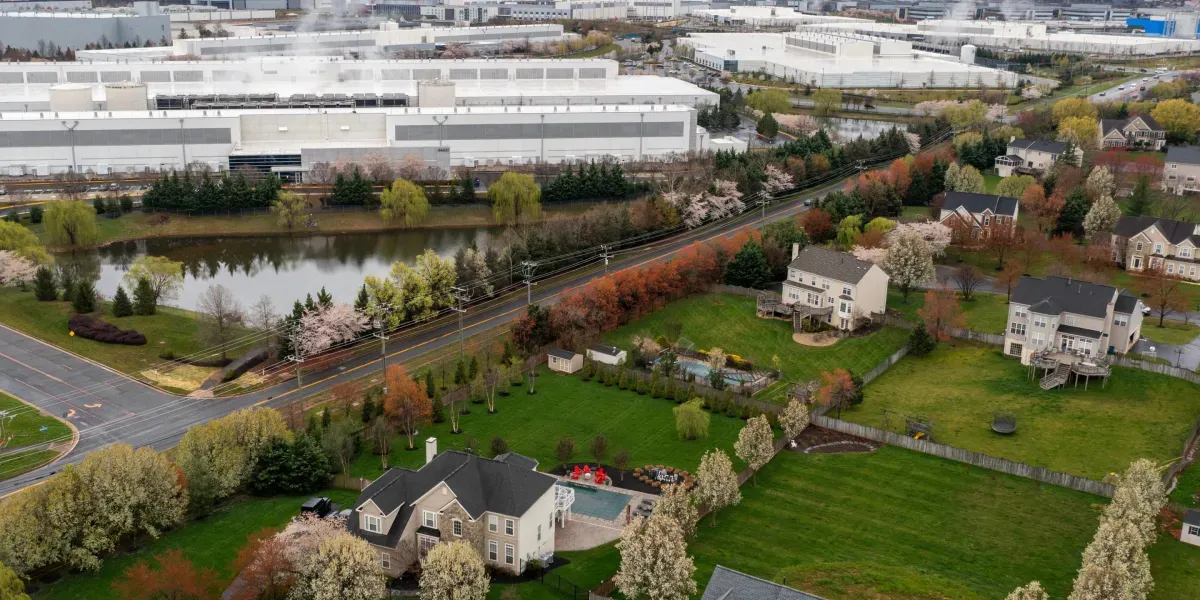
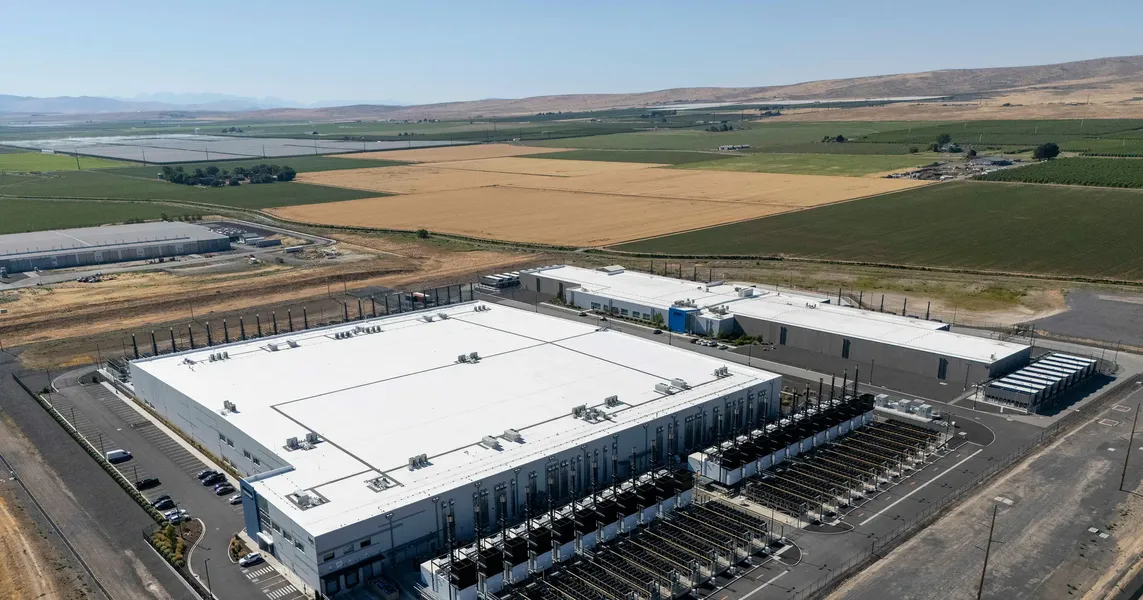
AI data centers for services like ChatGPT, Gemini, and Claude require enormous amounts of RAM. Memory producers have shifted factory output to high-bandwidth memory (HBM) for AI servers, reducing supply of conventional DRAM used in laptops, phones, and tablets. Micron has even stopped selling directly to consumers, closing a well-known upgrade brand to focus entirely on AI customers.
Analysts forecast memory price increases of 40 to 50% in the third quarter of 2026 alone, with further rises expected into 2027. Memory now makes up more than a third of PC build costs, roughly double the share from a year ago. Companies like Apple, Microsoft, Dell, and Sony have raised device prices or altered product lines. Apple raised MacBook and iPad prices by $100 to $500. Microsoft did the same with Surface and Xbox ranges, and discontinued its highest-memory Xbox configuration. Sony raised the PlayStation 5 price and may delay its successor.
Why AI builders should care
AI infrastructure directly competes with consumer devices for the same memory supply. As data centers scale, memory allocation will continue to favor AI workloads. This means higher costs for developer hardware, longer upgrade cycles, and potential supply constraints for edge devices. Builders should plan for higher hardware budgets and consider refurbished or task-specific gear.
The 2025-present global memory supply shortage is a reallocation of the world's DRAM manufacturing capabilities, with no quick end in sight. For teams building AI products, this affects everything from workstation procurement to cloud infrastructure costs.
Practical implications
Expect higher-memory laptops and desktops for professional workloads to see the steepest price increases. Entry-level and budget devices may shrink in number or drop to lower memory specifications as manufacturers try to hold prices down. Soldered memory (common in slim laptops and all phones and tablets) means no future upgrades.
For AI builders, practical strategies include considering refurbished gear, budgeting based on actual task requirements, and planning for longer hardware refresh cycles. If you're used to upgrading every two years and getting more power for the same price, that pattern is reversing.
Caveats
Price forecasts of 40-50% in Q3 2026 are based on analyst projections and may vary by region and supplier. Building new memory factories takes two to three years and billions of dollars, with meaningful volumes not expected until 2027 or 2028. Even when supply catches up, several analysts doubt prices will fall all the way back to pre-shortage levels. Some industry figures think prices won't properly settle until 2030.
The timeline and magnitude of price changes depend on how quickly new capacity comes online and whether AI demand continues to grow. These are structural constraints, not temporary disruptions.
Sources
- What does the RAM crisis mean for creatives?
- 2025–present global memory supply shortage - Wikipedia
- What does the RAM crisis mean for creatives? - MSN
- Will the RAM crisis have an impact on game design? If 8GB ...
- RAM prices keep going up — what is RAMageddon, and why is it ...
- The RAM crisis is getting worse — I take a look at when ...
- What does the RAM crisis mean for creatives?
- RAM Crisis: When Will DDR5 Memory Prices Drop?
- Why Is Ram Shortage A Crisis | TikTok
- I Think The Memory Crisis Might Be A Good Thing... - Linus Tech Tips
- The RAM crisis just got so bad that YouTubers are... | TechRadar
- What does the RAM crisis mean for creatives?
- DDR5 RAM Prices Up 110% as AI Devours Memory [2026]
- Why Is There A Ram Shortage | TikTok
- Did Sam Altman Create the RAM Crisis?