The 'Don't Record Me' Zoom Hack and the AI Note-Taking Era: Privacy vs Productivity for AI Builders
Published by AINave Editorial • Reviewed by Ramit
AI transcription tools are enabling always-on recording across meetings, dates, and everyday conversations, but a rising wave of pushback is forcing builders to rethink consent and data ownership. The 'Don't record me' Zoom hack, reported by TechCrunch, exemplifies the tension between productivity gains from automated notes and the privacy costs of permanent audio capture.
What happened
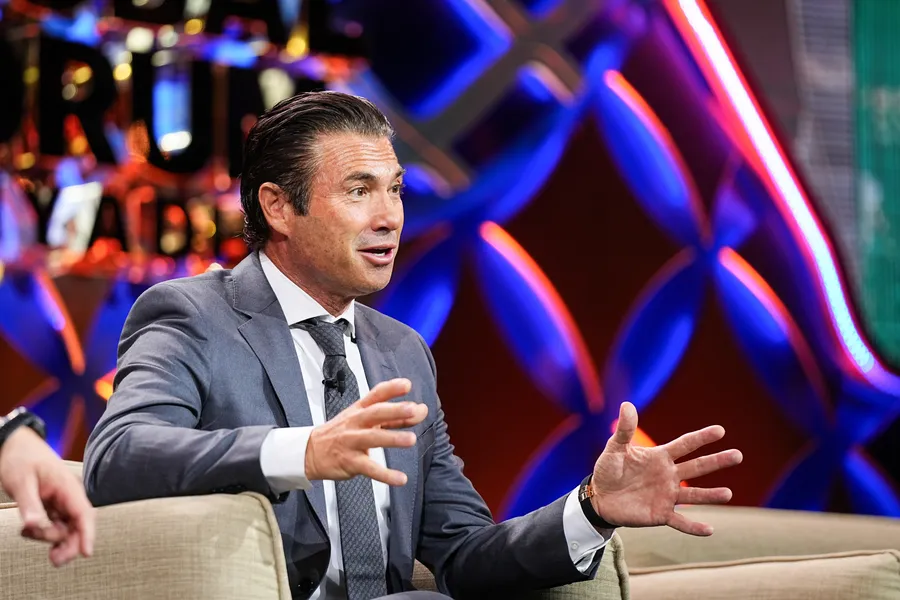
According to a Wall Street Journal article highlighted by TechCrunch, venture capitalist Jeremy Levine changed his Zoom display name to 'Jeremy Levine I do not consent to transcribing or recording' as a direct protest against AI transcription apps. Levine describes the trend as 'socially unacceptable behavior' that kills spontaneous conversation. The report also notes that VC Eric Bahn now assumes meetings with founders will be recorded before he sees a phone appear on the table. One founder told the WSJ she records most of her first dates with the Granola app, then feeds the transcript to Claude to assess engagement and empathy levels.
Why AI builders should care
For teams building AI note-taking products or integrating transcription into workflows, the episode is a direct signal to prioritize consent, data ownership, and access control. If users or meeting participants cannot easily opt out, or if transcripts are stored indefinitely without clear retention policies, products risk alienating both enterprise buyers and individual users. The article frames the issue as a 'legal minefield,' suggesting that builders should ensure their tools comply with varying recording consent laws across jurisdictions. Moreover, the question of who actually reads all these transcripts is a practical concern: if no one consumes the output, the value proposition of always-on transcription collapses.
Practical implications
Product teams should implement clear, conspicuous consent prompts before any transcription begins. Transparent data retention policies, including automatic deletion after a set period, can reduce liability. Offering a simple opt-out mechanism for meeting participants, perhaps through a settings toggle or name-based detection, could address the 'Don't record me' sentiment directly. Builders should also consider whether transcripts are primarily for real-time summaries or long-term analytics, and design access controls accordingly.
Caveats
The evidence for this piece is primarily drawn from a single TechCrunch article that summarizes a Wall Street Journal report. Specific technical details of
Sources
- The Zoom hack that says, ‘Don’t record me’
- The Zoom Hack That Says “Don’t Record Me” — And Why Travelers...
- The Zoom hack that says, 'Don't record me' | Modern Orange
- The Zoom hack that says, ‘Don’t record me’ If every meeting...
- A look at the Zoom hack that says 'Don't record me... — SaveDelete
- The Zoom hack that says, ‘Don’t record me’
- The Zoom hack that says, ‘Don’t record me’ - tech.yahoo.com
- The Zoom Hack: Why People Are Saying 'Don't Record Me'
- Zoom 'Don't Record Me' Hack Highlights AI Transcription Concerns
- The Zoom hack that says, 'Don't record me' - REAL HACKER NEWS
- [Industry News] The "Don't Record Me" Zoom Hack - PromptCube