Global AI governance: UN calls for inclusive, human-centered framing to avoid widening inequality
Published by AINave Editorial • Reviewed by Ramit
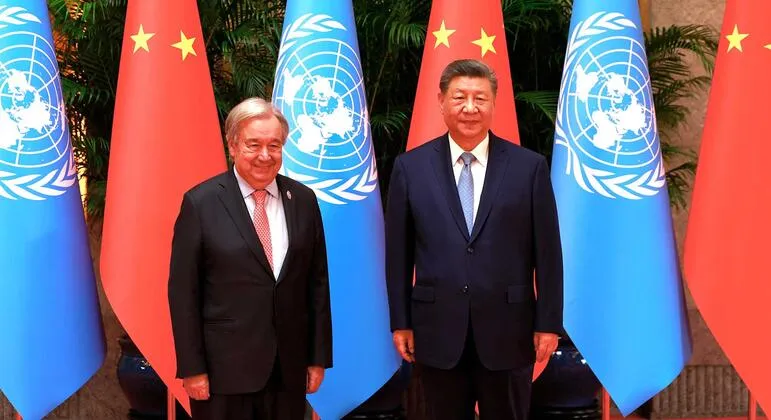
UN Secretary-General António Guterres used the World Artificial Intelligence Conference (WAIC) in Shanghai to push for global AI governance that includes every country, not just a handful of powers. He warned that without international cooperation, AI could widen inequality rather than advance sustainable development [https://news.un.org/en/story/2026/07/1167965]. For AI builders and product teams, this signals a growing regulatory direction that will affect deployment, compliance, and infrastructure choices.
What happened
Speaking at WAIC, Guterres described AI as "humanity's greatest opportunity" but cautioned it could also become "one of its greatest risks" [https://news.un.org/en/story/2026/07/1167965]. He stressed that "technology that will shape the future of humanity must be shaped by all of humanity" and that AI governance "cannot be governed by a handful of countries or companies." He highlighted three UN-backed initiatives: the Global Digital Compact, the Independent International Scientific Panel on AI, and the Global Dialogue on AI Governance. These are intended to share expertise, set common standards, and give developing nations a stronger voice.
Guterres outlined three priorities: expanding AI capacity in developing countries, establishing international safety standards, and making AI environmentally sustainable. He announced that more than 20 countries have nominated centers for a UN-supported Global Network for Exchange and Cooperation on AI Capacity Building, and he will soon present recommendations for a Global Fund for AI [https://news.un.org/en/story/2026/07/1167965].
Why AI builders should care
The UN's framing directly affects the operating environment for AI products. Calls for common risk-management approaches grounded in international law mean that safety testing, transparency, and human oversight will likely become baseline requirements for cross-border deployments. Guterres specifically said humans must retain control over life-and-death decisions and that no AI system should be put in a child's hands before being proven safe [https://news.un.org/en/story/2026/07/1167965].
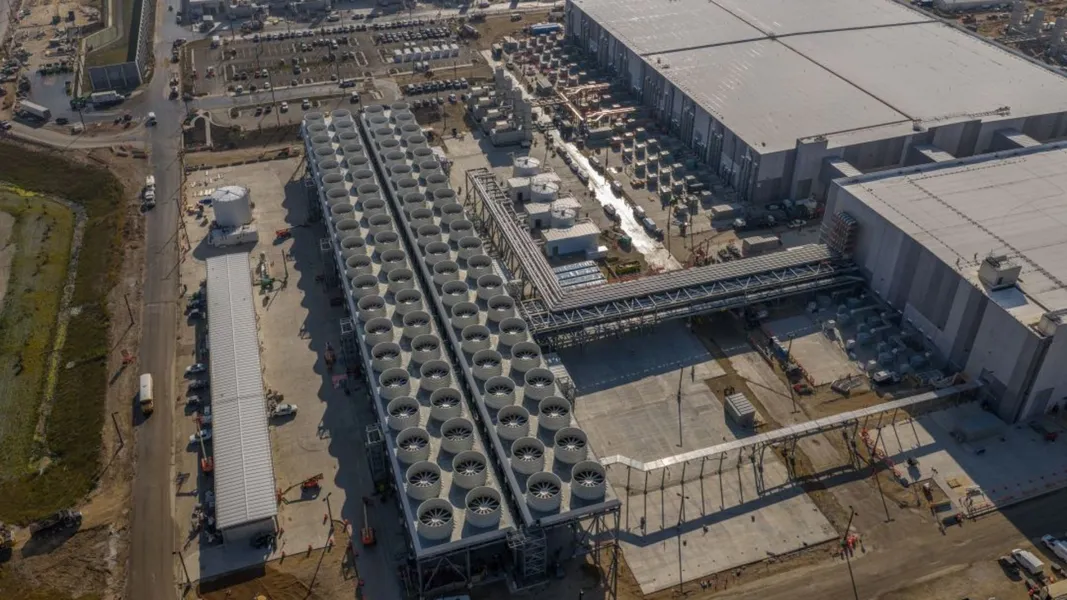
For builders, this hints at future regulatory expectations around testing, documentation, and accountability. The push for renewable energy by 2030 for AI operations also creates pressure on infrastructure choices, especially for teams running large-scale inference or training workloads.
Practical implications
Policy makers are urged to adopt common risk-management approaches and international safety standards. Developing countries should be equipped to build AI using their own data and languages, which could reduce the offline gap currently affecting about one-third of humanity [https://news.un.org/en/story/2026/07/1167965].
For AI product teams, this means paying attention to where models are deployed and how they handle different languages, contexts, and regulatory environments. The Global Fund for AI and capacity-building network could create new opportunities for partnerships and local deployment in underserved regions.
Caveats
The UN's plan relies on aspirational initiatives and statements that are subject to international negotiations. Exact policies, timelines, and funding commitments may shift as countries align on details. Not all governments may immediately adopt the proposed standards or renewable energy targets. Additionally, the source material is based on a single UN press release and related coverage, so specific implementation details remain thin [https://news.un.org/en/story/2026/07/1167965].
FAQs
Sources
- Guterres: AI must be shaped by 'all of humanity', not a handful of powers
- Guterres: AI must be shaped by 'all of humanity', not a ...
- Guterres: AI must be shaped by 'all of humanity', not a ...
- Guterres: AI Should Serve All, Not Just Few Powers
- 'Future of AI cannot be decided by a handful of countries ...
- UN chief says AI must be shaped by 'all of humanity', not a ...
- Don't let AI shape humanity's future: UN chief
- António Guterres Warns 'We May Be the Last Generation' to Shape AI Rules: 'If AI Is to Be Powerful, It Must Be Governed'
- World must not let AI shape humanity’s future – UN chief
- 'We Cannot Vibe Code the Future of Humanity', UN Chief Warns at AI Summit
- Guterres: AI must be shaped by 'all of humanity', not a handful of...
- António Guterres Warns: AI Must Serve Humanity, Not a Powerful...
- AI Must Be 'Harnessed Responsibly' to Curtail Doomsday... - Decrypt
- World must not let AI 'vibe-code' humanity's future: UN chief - C...
- UN's Guterres warns AI outpacing oversight, urges global rules to protect children
- ‘AI is already transforming our world’ — UN chief