EU DMA Forces Google to Open Android to Rival AI Apps, with Gemini-Style Access Becoming a Baseline
Published by AINave Editorial • Reviewed by Ramit
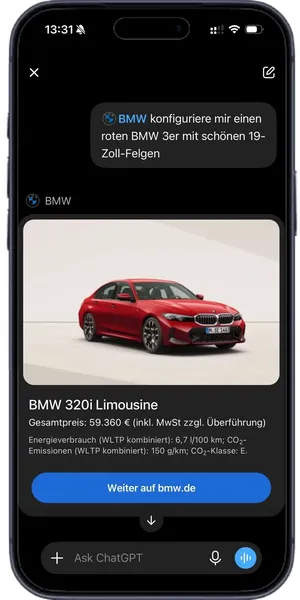
The European Commission has formally ordered Google to give rival AI services the same access to Android device features that Gemini has, enforcing the Digital Markets Act (DMA) interoperability rules. This means third-party AI apps like ChatGPT and Claude could soon integrate as deeply into Android as Google's own Gemini, with most changes required by August 1, 2027.
What happened
The European Commission issued binding instructions under the DMA requiring Google to open up Android to competing AI services. Google must allow AI apps to access 11 device features, including notifications, app launch, and system-level capabilities that were previously reserved for Gemini. The majority of changes must be implemented by August 1, 2027, with a full year for compliance. Google launched Gemini integration on Android without prior regulatory approval, opting to deal with consequences later, in contrast to Apple's approach with Siri AI. Google stated the requirements "risk undermining vital privacy and security guardrails for millions of Europeans" and plans to advocate for a balanced approach while pursuing compliance.
Why AI builders should care
For AI builders and developers, this ruling creates a regulatory framework where rival AI assistants can access core Android capabilities on equal footing with Gemini. This could level the competitive field for AI assistants on Android, potentially affecting API access, data sharing, and user privacy safeguards. The EU's stance signals a trend toward mandated interoperability for AI services on major platforms. The contrast with Apple's Siri AI situation illustrates different regulatory tactics: Apple sought exemptions and faced scrutiny, while Google launched first and is now working through compliance.
Practical implications
Android developers and AI service providers may gain equivalent access to system features for integrating rival AI assistants, subject to DMA requirements. The timeline is key: most changes due by August 1, 2027, with full compliance within about a year. Regulators emphasize equal interoperability while balancing privacy and security protections for EU users. This could affect how AI apps are built for Android in the EU, potentially requiring new integration patterns and security controls.
Caveats
The evidence is based on EU DMA enforcement and reported article content; actual legal language and exact feature lists may vary by jurisdiction and over time. Google's claims about privacy and security guardrails are subject to regulatory evaluation and potential negotiation or litigation. There is potential for appeals or changes in approach as Google seeks to comply while pursuing market objectives.
FAQs
Sources
- EU Orders Google to Give Rival AI Apps the Same Android Access as Gemini
- Google must give AI rivals equal access to Android, EU says...
- EU orders Google to open Android AI access to rivals
- EU Forces Google to Open Android AI Access — for(geeks)
- EU Wants Google to Fully Open Android to Rival AI Like ChatGPT
- EU Demands Google Give AI Rivals More Access To Android
- EU Gives Google Binding Instructions to Open Android to AI Rivals
- EU orders Google to share search data with rivals starting in 2027
- EU orders Google to share search data, open Android to AI rivals
- Google is better at playing the AI regulations game
- EU Demands Google Give AI Rivals More Access To Android
- EU Gives Rival AI Assistants System-Level Android Access ...
- EU orders Google to open Android to rival AI services
- Commission provides guidance to Google for AI ...
- Apple backs Google after EU orders Android be opened up to AI rivals