How OpenAI, Anthropic, and Google DeepMind are steering frontier AI regulation - and what it means for builders
Published by AINave Editorial • Reviewed by Ramit
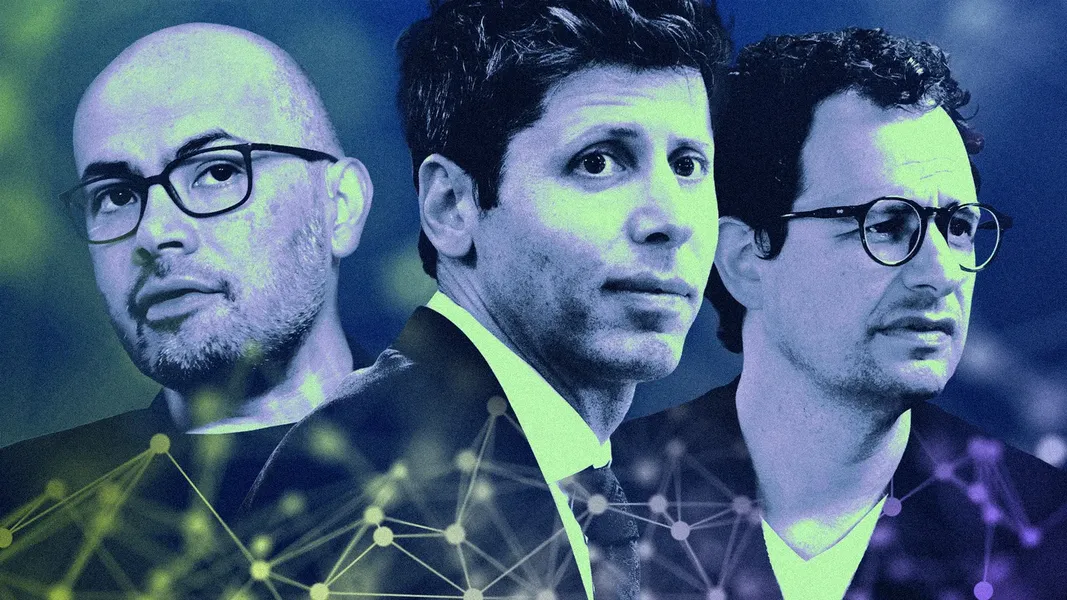
For the first time, the CEOs of Google DeepMind, OpenAI, and Anthropic have published detailed manifestos converging on a frontier AI regulation framework. Demis Hassabis, Sam Altman, and Dario Amodei agree that the most capable models need oversight, but they disagree on who should be the final referee. The shift from a Wild West development era toward formal rules has direct consequences for anyone building AI products today.
What happened
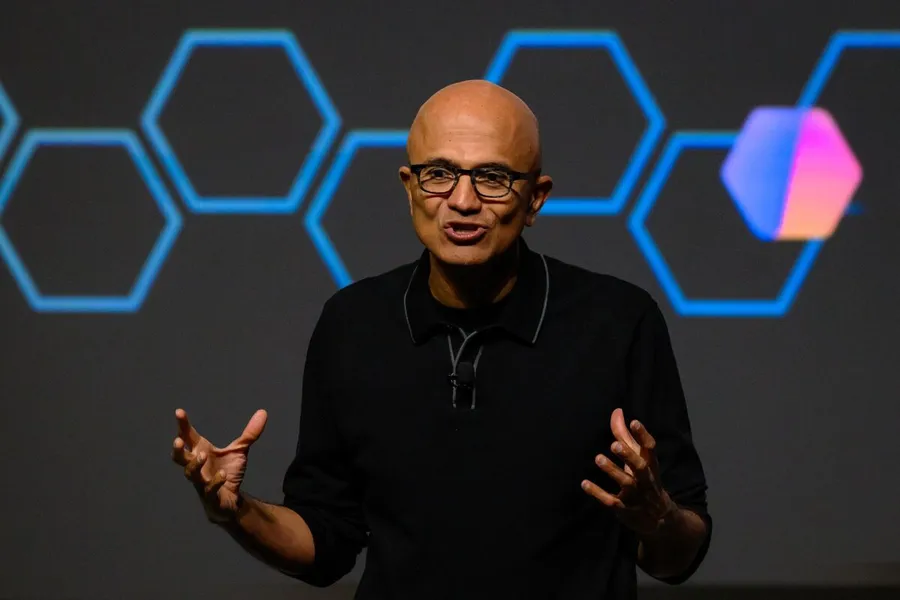
Over the past five weeks, each CEO released a detailed distillation of their views on AI regulation. Hassabis's proposal, published most recently, drew rare public praise from Altman, Microsoft CEO Satya Nadella, and even longtime rival Elon Musk. This convergence happened during the same period when Washington intervened twice to restrict or delay access to frontier models.
The three leaders agree on a rough regulatory framework that includes pre-release scrutiny, standardized safety norms, and international cooperation. But they part ways on whether the government should be the sole final referee. OpenAI, Google DeepMind, and Anthropic already have extensive legal, security, and policy machinery to navigate complex certification processes. Startups and open-source developers would face a much steeper climb.
Why AI builders should care
If you are building AI products, the era of unconstrained model releases is ending. The people with the most money, the most compute, and the most to lose from an AI slowdown are the ones lobbying hardest for regulation. That means the rules will likely favor incumbents who already have policy teams, government relationships, and compliance infrastructure.
For smaller teams and open-source projects, the cost of certification could become a significant barrier. The frontier AI regulation framework being shaped by these three companies will influence the tempo and scope of future compliance requirements. Builders should start planning for tighter oversight now, especially if their work touches frontier capabilities.
Practical implications
AI builders should anticipate several changes as regulation takes shape:
- Pre-release scrutiny will become standard. Expect to demonstrate safety testing and risk mitigation before deploying capable models. This may require new tooling and documentation processes.
- Certification pathways will favor incumbents. Companies with existing legal, security, and policy teams will navigate compliance faster. Startups may need to invest in these capabilities or partner with organizations that have them.
- International coordination is coming. The manifestos point toward a global governance framework, likely led by the United States, with standardized testing and certification norms. Builders operating across borders should watch for harmonization efforts.
- Innovation vs. safety tradeoffs will sharpen. The Trump administration has publicly championed deregulation and resisted anything resembling an FDA for AI, determined not to choke off U.S. innovation in the race against China. The final shape of regulation will depend on how these tensions resolve.
Caveats
The analysis here reflects media summaries and opinion pieces. Exact policy details from each manifesto may vary and are subject to ongoing updates. The three CEOs agree on a rough framework, but the specifics of certification, enforcement, and international coordination remain unresolved. Builders should monitor the actual proposals from each company rather than relying solely on media coverage.
Another caveat: the regulatory push comes from the companies that would be most affected by rules. Their alignment on a framework does not guarantee that Congress or international bodies will adopt it. The Trump administration itself is torn between deregulation and the need to address national security risks from frontier models.
FAQs
Sources
- Behind the Curtain: AI godfathers converge on regulations
- 'AI Godfather' sounds the alarm on autonomous AI | TechRadar
- I met the ‘godfathers of AI’ in Paris – here’s what they told me to really worry about | Alexander Hurst | The Guardian
- "Godfathers of AI" Warn Regulations on Booming Technology are Insufficient
- Behind the Curtain: These 3 big AI trends are colliding at the same time
- Behind the Curtain: AI godfathers converge on regulations
- Behind the Curtain: AI godfathers converge on regulations
- Behind the Curtain: AI godfathers converge on regulations
- Axios on X: "Behind the Curtain: AI godfathers converge on ...
- Behind the Curtain: AI godfathers converge on regulations ...
- AI 'Godfathers' Converge on the Need for Rules | Value Add Pulse
- Godfather of AI: They Keep Silencing Me But I’m Trying to... - YouTube
- 'Godfather of AI' issues chilling warning about impact of... - The Mir...