GPT-5.6 demos showcase end-to-end app building momentum for AI builders
Published by AINave Editorial • Reviewed by Ramit
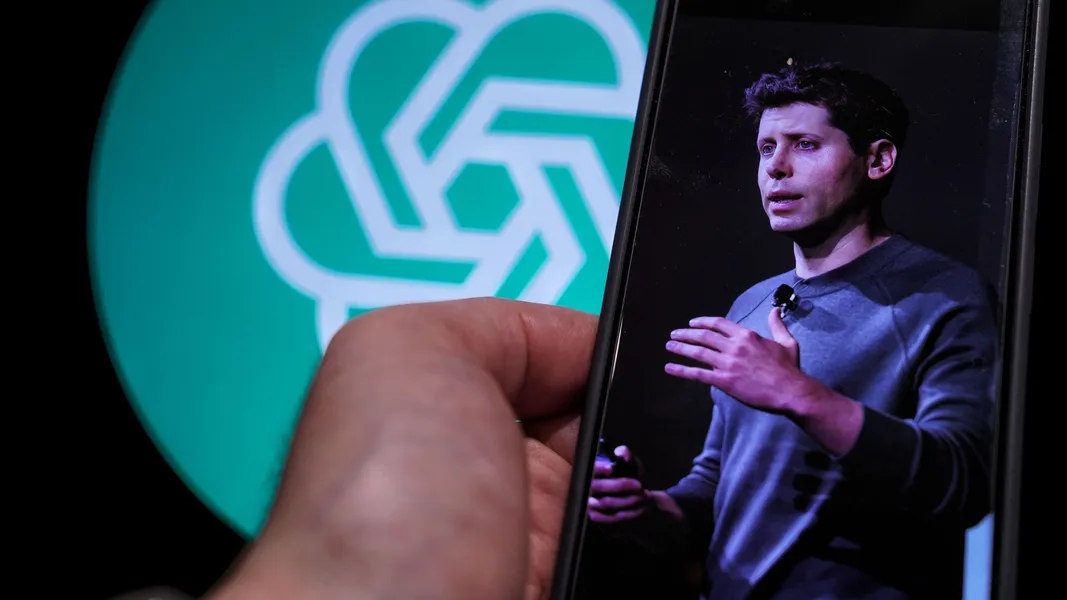
When OpenAI released GPT-5.6, CEO Sam Altman asked developers to show him what they built with it. The response was a set of projects that go far beyond single-feature demos. These GPT-5.6 tools and demos illustrate how the model can serve as the engine for complete, polished applications that combine real-time data, multi-tool reasoning, and user-friendly interfaces.
What happened
Altman publicly requested interesting builds on July 12, 2026, and developers responded with pilot projects and even complete services. Five stood out:
- Kitsune Agent Lab demonstrated an autonomous multi-tool AI agent that takes a goal, moves between tools, makes decisions, and remembers what it has done. The agent appears motivated to finish tasks rather than just suggest steps.
- A developer built a Game Boy-style live map of New York City that streams real-time subway, weather, and ferry data on a 3D map. The project combines live data feeds, mapping, and interface design into a polished experience.
- A wardrobe assistant uses GPT-5.6 to extract clothing photos from a camera roll, organize them, suggest outfits, and render them using GPT-Image. The result feels like a premium consumer app rather than an experimental demo.
- CatchCat is a mobile game that turns real-world cat sightings into collectible digital cards. Players point their phone at a cat, the app verifies the sighting with the camera, and the encounter becomes a card with personality and rarity.
- Atlas Mode for Pearl is an interactive globe-based travel planner that integrates geographic data with a user's taste profile to recommend restaurants, hotels, and flights. It uses GPT-5.6 Sol Ultra and GPT Voice 2.1 for voice interaction.
All these projects were shared publicly in response to Altman's call, and they demonstrate GPT-5.6's claimed improvements in coding support and long-task reliability.
Why AI builders should care
The recurring theme is that the AI is no longer the product itself. It is the engine quietly powering products that people might actually want to use. These GPT-5.6 tools and demos show that developers can now build end-to-end applications that bring together live data feeds, visual interfaces, and multi-system integration without stitching together several complex systems manually.
For AI builders, this signals a shift in what is feasible. Instead of building isolated features or chat-based tools, teams can aim for consumer-grade apps that handle real-time data, computer vision, and interactive design within a single model-driven stack.
Practical implications
- Faster path to polished products: Projects like the NYC live map and wardrobe assistant required far more than generating code. They needed live data feeds, mapping, interface design, and problem-solving. GPT-5.6 appears to handle much of that heavy lifting, reducing time from prototype to usable product.
- Higher UX expectations: The showcased projects look and feel like apps you would find on the App Store or Google Play. AI builders should expect that users will demand similar polish, including robust data handling and intuitive interfaces.
- Multi-modal and real-time integration: The combination of camera verification (CatchCat), voice interaction (Atlas Mode), and live data (NYC map) points to a future where AI apps routinely blend multiple input and output modalities.
Caveats
- Most of these projects are demonstrations or showcases, not publicly released products. Availability and production readiness vary.
- Some capabilities, such as live data integration or camera-verified gameplay, may depend on proprietary data sources or restricted API access. Broader availability timelines for GPT-5.6 features are not specified in the source material.
- The claims about GPT-5.6's improvements come from OpenAI and developer reports; independent benchmarks are not provided in this showcase.
FAQs
Sources
- 5 amazing tools built with GPT-5.6 that people are showing off to Sam Altman — from a wardrobe assistant to Pokémon Go for cats
- Sam Altman: OpenAI CEO on GPT-4, ChatGPT, and the... - YouTube
- Previewing GPT-5.6 Sol: a next-generation model | OpenAI
- GPT Image 2: Free AI Image Generator — Photorealistic Output
- OpenAI Released GPT-5.6 Sol With Limited Access and Strong...