IBM Z mainframe demand hit as AI hardware spending reshapes enterprise capex in Q2 2026
Published by AINave Editorial • Reviewed by Ramit
IBM Z mainframe demand is taking an unexpected hit as enterprise customers redirect capital spending toward AI hardware. In a letter to investors ahead of Q2 2026 results, CEO Arvind Krishna revealed that customers shifted corporate spending away from mainframes in the final weeks of June, prioritizing memory chips, storage drives, GPUs, and servers instead. The news triggered a 25% one-day stock decline, IBM's worst since 1968.
What happened
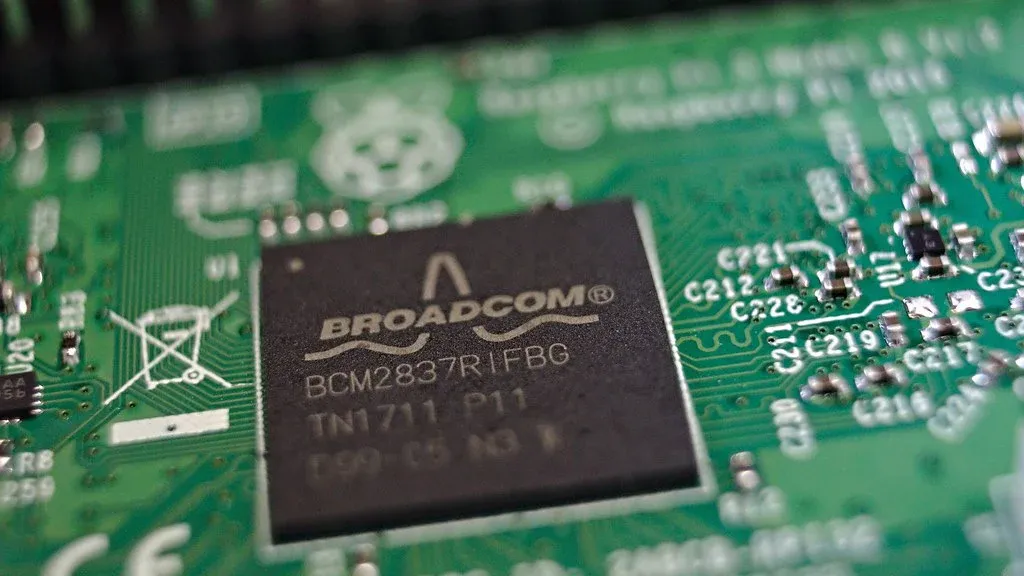
IBM expects total Q2 2026 revenue of $17.2 billion, up about 1% year-over-year. Software revenue rose roughly 5%, but Infrastructure (including the mainframe business) declined around 7%. The company had already anticipated a low-single-digit drop, but the scale of the shift surprised leadership. IBM had recently prepared the launch of its Z17 mainframe, yet customers opted to secure hardware components before Big Tech and AI firms could acquire available supply. SoftBank CEO Masayoshi Son's comments about trillions in data center investments underscore the industry-wide pressure.
Additional factors weighing on IBM's infrastructure business include cybersecurity concerns and the company's adaptation pace. Despite the poor quarter, IBM noted some positives: Red Hat growth of about 11% quarter-over-quarter, and a new service called Lightwell that leverages Anthropic's Mythos AI frontier technology to improve open-source security, offered via subscription.
Why AI builders should care
For teams building AI products and enterprise workflows, this shift signals that memory, storage, and GPU supply constraints are real enough to distort traditional IT spending patterns. If IBM's mainframe customers are urgently reallocating budgets to AI-relevant hardware, other enterprise vendors may face similar headwinds. The emergence of Lightwell also points to a new model: AI-enabled security services tied to frontier models could reshape how enterprise security tools are monetized.
Practical implications
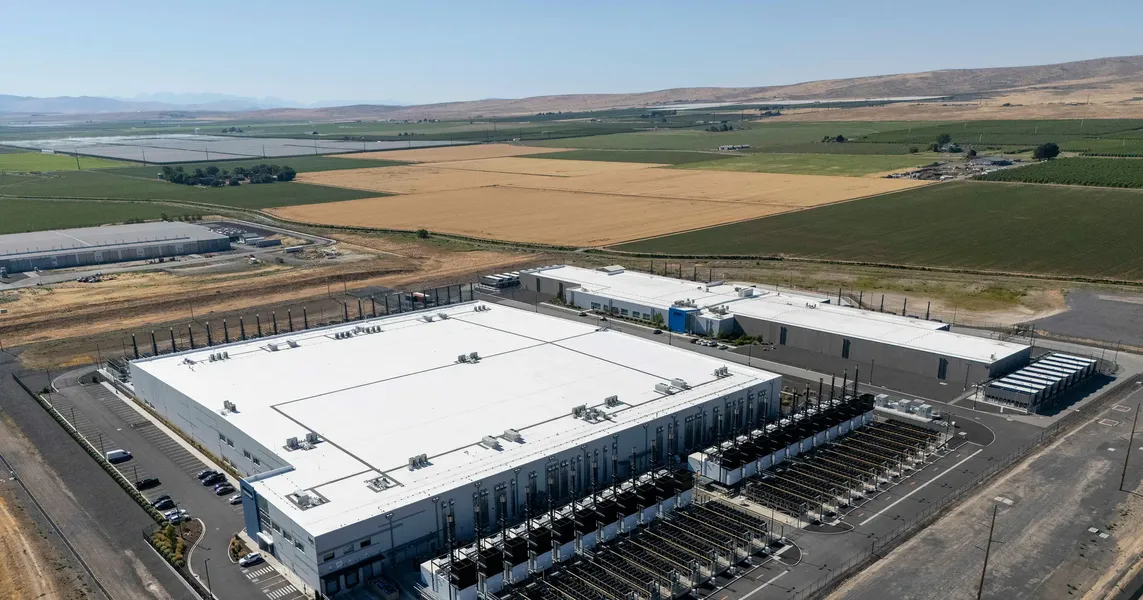
AI builders and operators should watch for component scarcity that could affect hardware procurement timelines and deployment plans. The pressure on memory chips and hard drives may drive up costs or delays for data center projects. On the software side, IBM's Lightwell example suggests that subscription-based open-source security tools, powered by frontier AI like Mythos AI, could become a new category worth integrating into enterprise stacks.
Caveats
The evidence in this article draws primarily from IBM's investor letter and a single detailed report. While multiple news outlets confirm the 25% drop and $68 billion market value loss, final Q2 2026 earnings data may differ from preliminary figures. The impact on future mainframe demand remains uncertain, and IBM's adaptation pace may improve.
FAQs
Sources
- IBM's stock just had its worst day since 1968
- IBM Just Lost $68B in a Day: What Triggered Its Worst Stock ...
- IBM Just Had Its Worst Day in 115 Years. It’s a Warning for ...
- IBM Just Crashed. If Wall Street Pros Are Right The Stock ...
- IBM Just Suffered Its Worst Stock Crash In Nearly 60 Years ...
- IBM stock plunges 25% in its worst day ever after Q2 earnings warning
- The detail in IBM’s earnings warning that caused the stock’s worst day ever
- IBM is on pace for its worst day ever
- IBM stock closes down more than 25% after preannounced earnings results
- IBM's 25% crash: Quantum computing, AI push — five takeaways from CEO's letter to investors
- IBM's Worst Day on Record: What History Says Happens Next ...
- IBM just had its worst day ever. Here's how ... - CNBC
- IBM stock suffers worst day in decades, wiping out billions. Buy the dip but don’t call it a bargain.
- IBM just lost $68B in a day: What triggered its worst stock crash since 1968
- Analysts React on IBM's Worst Day on Record: What History Says Happens Next