Open-source AI governance remains in flux as White House hints at future action
Published by AINave Editorial • Reviewed by Ramit
The Trump administration is signaling that action on open-source AI governance may come later, even as it emphasizes securing the US open-source ecosystem. National Cyber Director Sean Cairncross stated there is a need to secure and bolster the country's open-source ecosystem to realize the president's vision. His remarks reflect discussions around governance, scanning, and deconfliction for open-source models.
What happened
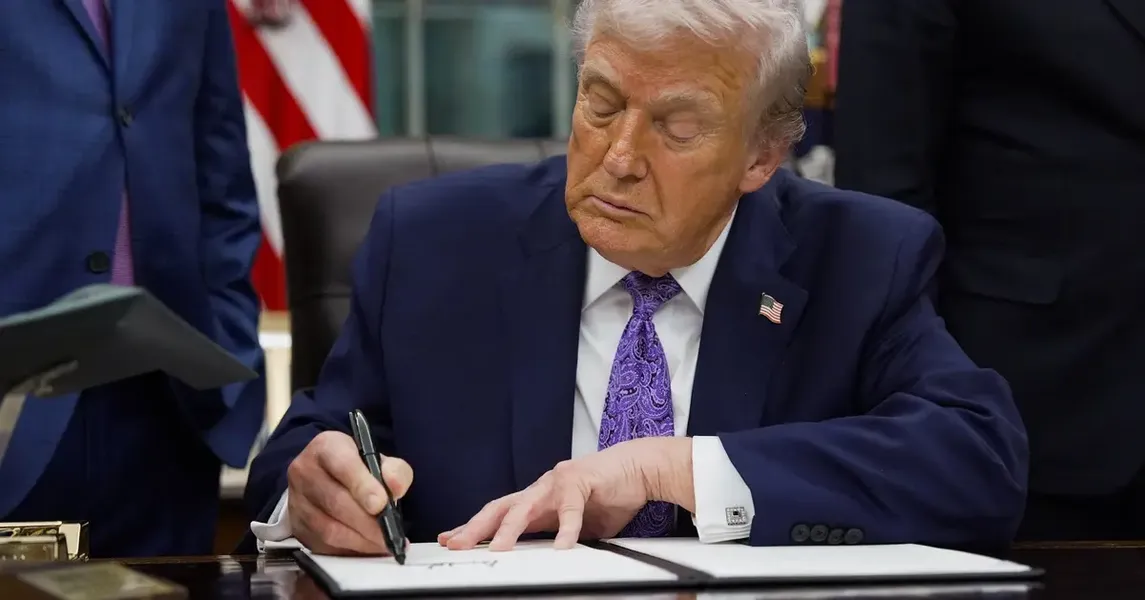
An executive order last month established a voluntary review process for AI models and includes open-source scanning and deconfliction. National Cyber Director Sean Cairncross told reporters during a July 2 briefing on the launch that the administration cannot achieve the president's vision without securing and bolstering the US's open-source ecosystem. An unnamed senior White House official has signaled "plenty of ongoing work" beyond the order, referencing concerns about China. Firms like Reflection AI have pitched the administration on a new framework for open-source AI models, sparking rumbles of an executive order or other related guidance.
Why AI builders should care
For AI builders, founders, and product teams deploying open-source models in production, these signals matter. The administration is weighing how to keep the US competitive with China by strengthening the open-source AI sector. The executive order already includes provisions for scanning and deconfliction, which could affect how developers integrate open-source tooling. Industry participants like Reflection AI are proposing frameworks that could influence policy guidance or action, shaping the governance landscape for production-grade open-source AI deployments.
Practical implications
Policy momentum suggests that governance guidance or action could emerge beyond the current executive order. This may impact tooling, deconfliction practices, and integration of open-source models in production systems. Builders should monitor these developments as they could introduce new requirements for model evaluation, security scanning, and reporting, especially for teams deploying open-source AI in enterprise or government-adjacent workflows.
Caveats
Evidence is drawn from multiple policy discussions and ongoing debates; details of next steps are not definitively settled in the article itself. The administration's approach remains in flux, and no specific new regulation has been announced. Builders should treat these signals as directional rather than final.
FAQs
Sources
- White House not ruling out action on open-source AI models
- White House releases AI Action Plan, includes Open Source - Open Source Initiative
- White House says no need to restrict open-source AI, for now | PBS News
- No need to restrict 'open-source' artificial intelligence, at least for now, says White House, ETCISO
- White House reportedly considers mandatory government vetting of AI models before release — executive order under discussion | Tom's Hardware
- r/LocalLLaMA on Reddit: White House says no need to restrict 'open-source' artificial intelligence
- White House not ruling out action on open-source AI models
- White House launches AI cybersecurity clearinghouse
- Trump restrictions on private AI models turn attention to open source
- Trump White House holds back new AI models, spurring confusion
- Open source AI’s moment
- Free AI Models on OpenRouter | OpenRouter
- Open source generative AI: In-depth guide - N-iX
- Synthetic | Chat with open-source models privately
- Jan - Open-Source ChatGPT Replacement
- Risks of Using Free Open Source AI Models in Enterprise | LinkedIn