OpenAI Codex Micro Keyboard: $230 Hardware for Multi-Agent Coding Control
Published by AINave Editorial • Reviewed by Ramit
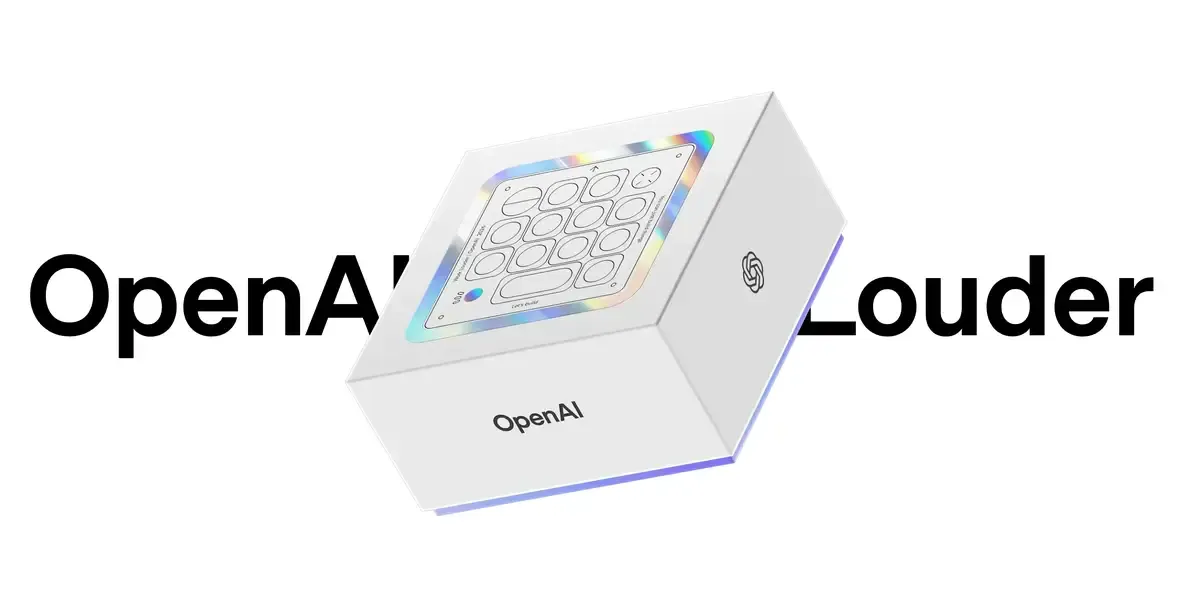
OpenAI released its first branded hardware product: the Codex Micro keyboard. This $230 macro pad, built with keyboard maker Work Louder, is a tactile control center for power users managing multi-agent coding workflows in Codex. For AI builders running complex agentic tasks, it offers a new way to monitor, switch, and control agents without leaving their keyboard.
What happened
On July 15, 2026, OpenAI opened orders for the Codex Micro, a mini keyboard produced in collaboration with Canadian-Italian hardware company Work Louder. This is OpenAI 44a 5f8 first hardware release, separate from the rumored Jony Ive device expected later this year.
The Codex Micro features six light-up keys that display the status of active Codex agents and let users jump between them instantly. A joystick handles navigation, and a rotary dial adjusts an agent's reasoning level. The device also includes customizable shortcut keys for common Codex actions and a built-in voice recorder for sending audio prompts to agents. Buyers can choose between "clicky" or "silent" mechanical key switches.
The release comes as OpenAI doubles down on Codex. The company recently merged Codex into the ChatGPT desktop app and the platform (along with ChatGPT Work) has reached 8 million active users, per Codex engineering lead Thibault Sottiaux.
Why AI builders should care
For builders running multi-agent coding pipelines, the Codex Micro solves a specific friction: losing context when switching between agents or adjusting parameters in a UI. Tactile hardware can make these actions instant, keeping builders in flow. The agent status indicators alone could save seconds per switch, which adds up over long coding sessions.
This release also signals OpenAI 44a 5f8 long-term strategy. By creating custom hardware for Codex, OpenAI is betting that developers will invest in an ecosystem of tools beyond the API. The move is a direct response to the growing competition in AI coding assistants, particularly from Anthropic's Claude Code.
Practical implications
The Codex Micro could fit into several real workflows:
- Multi-agent debugging: Use the status keys to identify which agent is idle, stuck, or waiting for input at a glance.
- Dynamic reasoning: Turn the dial to increase a model 44a 5f8 reasoning depth for complex refactoring, then lower it for quick autocompletions.
- Voice-first inputs: Dictate context or instructions to agents via the recorder, useful when hands are busy or when brainstorming out loud.
The device is limited edition and available only while stock lasts, which may limit adoption for teams that want more than one or two units.
Caveats
This information is based on initial coverage and may not reflect full specifications, system requirements, or future compatibility. The device is built specifically for Codex, and it is unclear whether it will work with other AI tools or general ChatGPT features without a Codex subscription. Pricing and availability are confirmed at launch but may change.
FAQs
Sources
- OpenAI's new $230 mini keyboard is for Codex power users
- OpenAI's first branded hardware is... a light-up keyboard?
- Codex Micro is a physical keyboard for AI agents
- Codex in ChatGPT | AI Coding Agents for Software... | OpenAI
- OpenAI | The Verge
- OpenAI's new $230 mini keyboard is for Codex power users
- OpenAI takes aim at Anthropic with beefed-up Codex that gives it more power over your desktop
- OpenAI Codex macro pad: What is it, how does it work?
- OpenAI extends Codex with productivity tools for nontechnical users
- OpenAI selling $230 Codex Micro hardware product - 9to5Mac
- Docs and resources to help you build with, for, and on OpenAI.
- OpenAI Codex Micro Launches July 15: A Macro Pad Built With ...
- OpenAI Hardware: New Physical Device for Codex Coding
- OpenAI Expands Into Developer Hardware With Codex Micro Keyboard
- The Codex Micro: OpenAI's First Hardware and What a Macro Pad ...