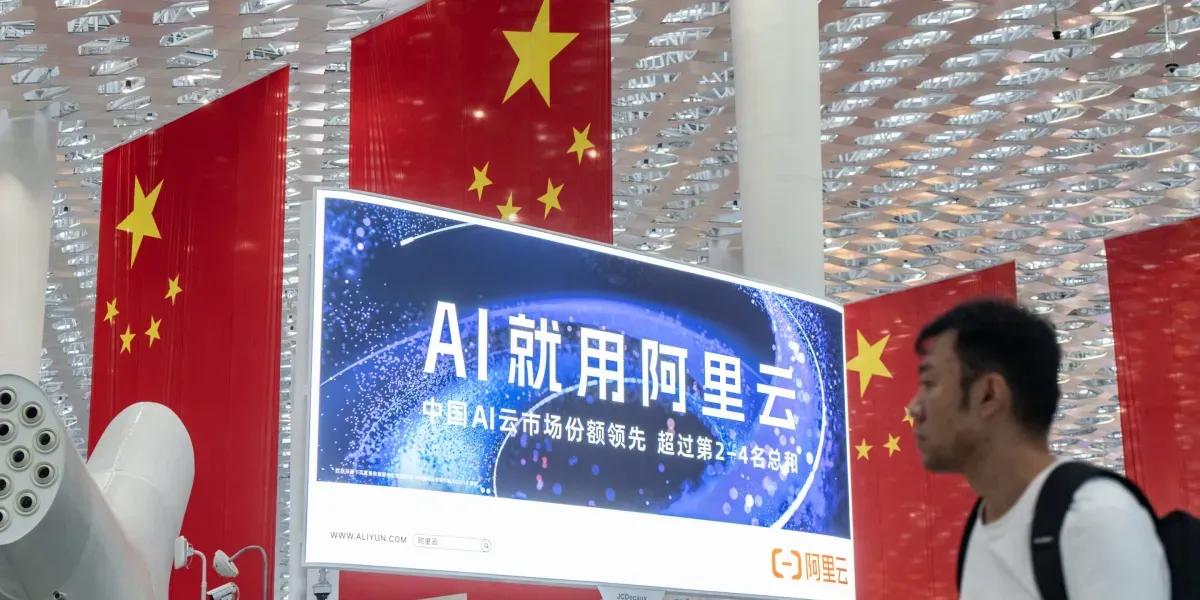
Businesses turn to cheaper Chinese AI models as U.S. model costs rise
Published by AINave Editorial • Reviewed by Ramit
Rising costs of U.S. frontier AI models are pushing enterprises to experiment with cheaper Chinese open-source alternatives. Companies like DoorDash, Cursor, and Lindy have already adopted models from Moonshot AI and DeepSeek, while Airbnb and Siemens are reportedly testing Alibaba and DeepSeek models to reduce AI spend. The shift is driven by cost, capability, and the availability of open-source models that can be run locally for better data control. However, security and data sovereignty concerns mean most companies are pursuing mixed deployments rather than wholesale migration.
What happened
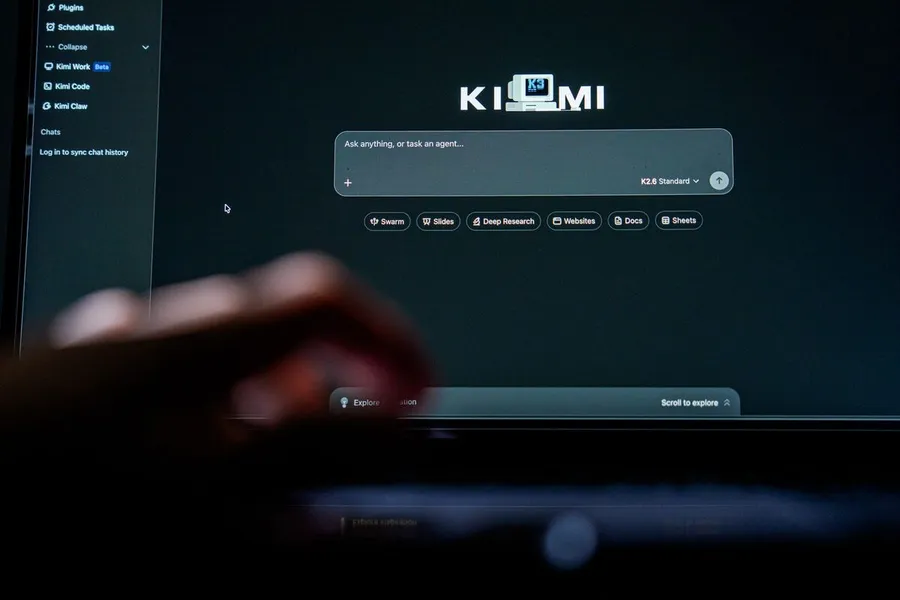
DoorDash announced a limited beta for DoorDash CLI, an experimental tool that lets users place orders through an AI agent or terminal. DoorDash CTO Andy Fang said the company uses a model from Chinese startup Moonshot AI because it offers "better quality" at a "cheaper cost" Fortune.
Other companies are following similar paths. Cursor, the AI coding startup, used Moonshot's Kimi model to build its Composer 2 coding agent. Lindy reportedly dropped Anthropic's tools entirely in favor of DeepSeek's V4 models Fortune. Airbnb and Siemens are also experimenting with moving daily operations to Chinese AI companies like Alibaba and DeepSeek to save on rising AI costs Fortune.
The trend is visible in open-source model downloads. A Hugging Face study from March 16, 2026 found that Chinese open-source models accounted for 41% of all downloads Fortune. OpenRouter data suggests Chinese open-source models run 60% to 90% cheaper than leading Anthropic and OpenAI systems Complete AI Training.
Why AI builders should care
For AI builders and product teams, this shift signals a market-driven push toward cheaper, open-source options that can be hosted locally. Yasir Atalan of CSIS notes that the shift comes down to three factors: cost, capability, and open-source availability Fortune. Running models locally gives companies more control over sensitive data and reduces reliance on external providers.
But the move is not without risk. Snehal Antani of Horizon3.ai warns that startups adopting Chinese models "risk severe data sovereignty violations by exposing proprietary code and user data to foreign surveillance" and may overlook "critical vulnerabilities in model integrity and reasoning" Fortune.
Practical implications
Most enterprises are not replacing U.S. models outright. Instead, they are adopting mixed deployments: using cheaper Chinese models for certain tasks while retaining U.S. models for others. Atalan suggests "a company could try to use one of those open-source models for one task and use Claude for something else" Fortune. This task-based approach lets teams optimize cost without full migration.
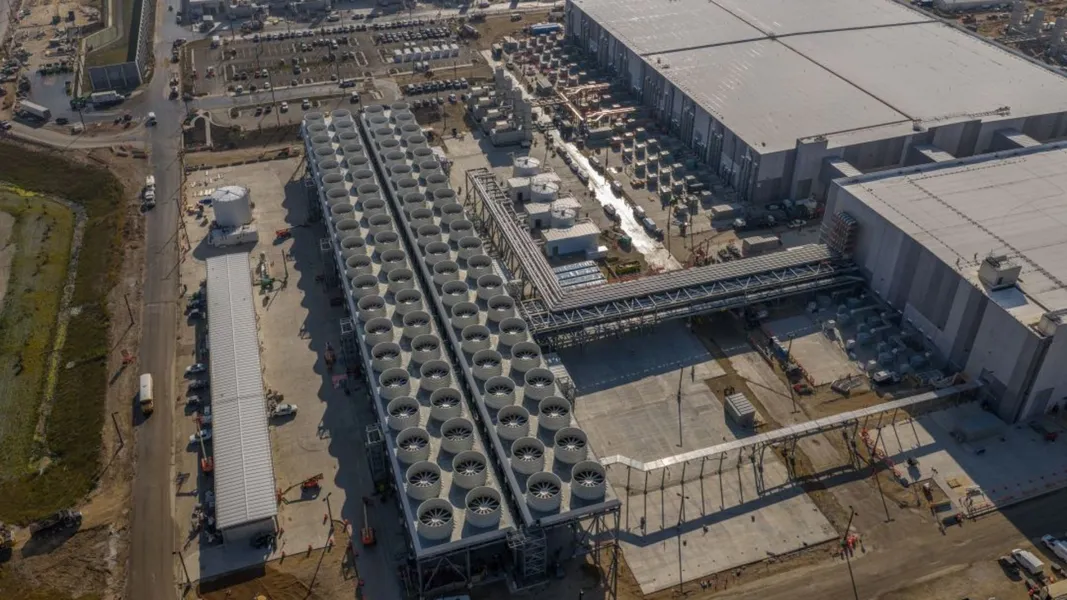
Hosting open-source models locally requires significant hardware investment. Atalan estimates $30,000 for GPUs, RAM, and storage Fortune. For teams without on-premise infrastructure, cloud-based open-source model endpoints may be a more accessible starting point.
Caveats
The evidence on adoption is broad but based on industry reports and company announcements. Actual usage patterns may vary by company and use case. Security, data sovereignty, and performance in high-stakes applications remain open questions. Long-term support for open-source models from Chinese labs is uncertain, and Chinese officials have reportedly discussed limiting foreign access to advanced models Digital Trends. Hardware requirements for local hosting can be substantial, and teams should evaluate total cost of ownership including infrastructure and maintenance.
Sources
- Businesses are experimenting with cheaper Chinese AI models as U.S. rivals get more expensive
- Businesses are experimenting with cheaper Chinese AI models ...
- Chinese AI models gain ground with U.S. companies as ... - CNBC
- Western companies are quietly switching to Chinese AI models ...
- Some U.S. startups are turning to cheap Chinese AI models : NPR
- Chinese AI models are gaining ground with U.S. companies
- US companies adopt Chinese AI models to cut costs: FT
- State-subsidized and dirt cheap: The Chinese AI threat to US model makers
- China reportedly considers curbing access to top AI models American companies love
- American Tech Companies Are Suddenly Sweating Bullets as China Catches Up on AI
- Businesses are experimenting with cheaper Chinese AI models as...
- Chinese AI models gain ground with... - ChinaTechNews.com
- U.S. companies increasingly use Chinese AI models as costs for...
- A new, cheaper Chinese AI model is rivaling Anthropic, OpenAI.
- The days of cheap Chinese AI models could be number as government mulls restrictions similar to the US