Texas Data Center Audits Could Reshape the State’s Cloud Hub Role
Published by AINave Editorial • Reviewed by Ramit
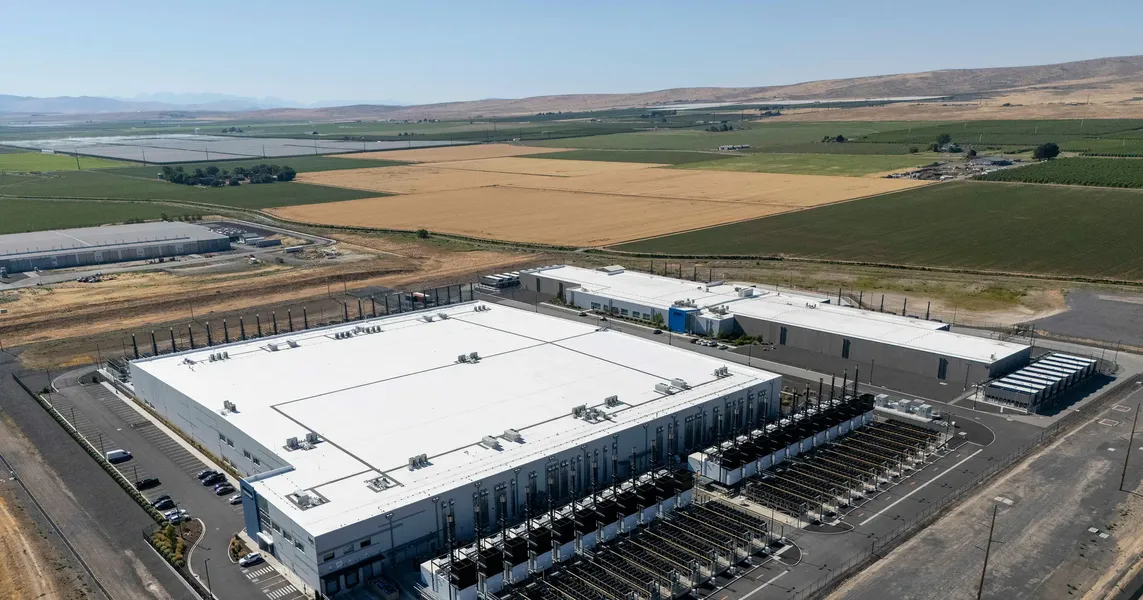
Texas data center audits are putting new projects on hold while state regulators review whether proposed facilities can connect safely to the grid. For AI builders, this is less about a blanket retreat from Texas than a new constraint on where and how quickly compute capacity can come online.
Texas is checking whether the data center queue is real
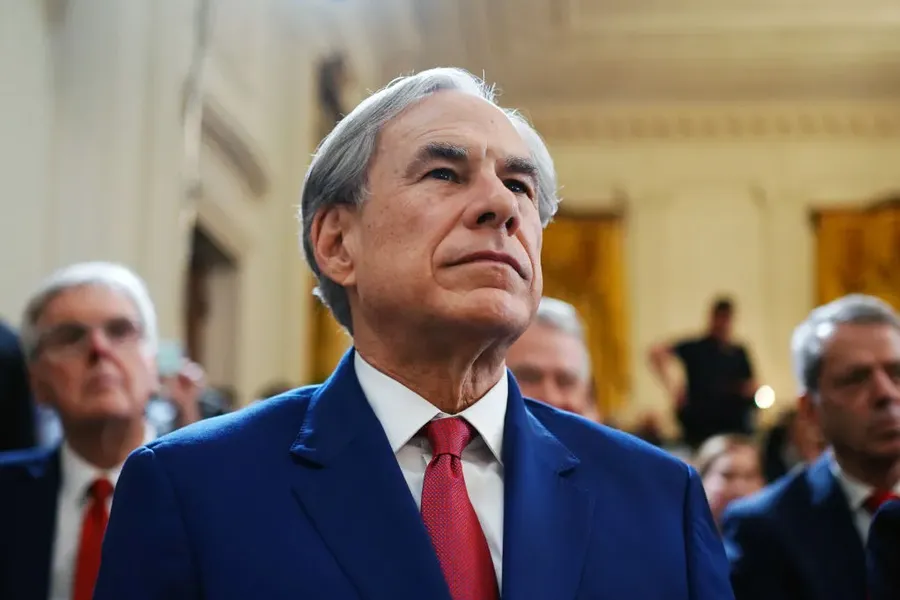
Governor Greg Abbott directed the Public Utility Commission of Texas and the Electric Reliability Council of Texas to audit new data center projects seeking grid connections. The move follows a sharp increase in the ERCOT interconnection queue, from 233 gigawatts in January to 474 gigawatts in less than six months.
About 90% of those requests are reportedly from data centers. The figure represents proposed connection capacity, not confirmed construction. Developers often enter interconnection queues early, and many projects later fail to progress. Still, the queue is more than five times ERCOT’s current peak demand, so even a fraction of successful projects could materially affect grid planning.
What the PUCT data center audits will examine
The reviews are designed to create a more complete picture of each project’s footprint. They will collect information about on-site and off-site electricity demand, water use, noise mitigation, lighting controls, tax incentives, and ownership details.
That scope matters because a site can look attractive on headline electricity prices while creating costs elsewhere. The audit will force more scrutiny of data center energy and water usage in Texas, along with local infrastructure and community effects. The state had previously sought much of this information through a voluntary survey, but most operators did not respond.
Why AI infrastructure teams should care
Texas has been attractive to large operators, including Google and Microsoft’s data center activity in Texas, because of its business-friendly environment and access to natural gas, wind, and solar generation. Utility-scale solar capacity grew fourfold between 2021 and 2025, while electricity prices declined over much of that period, according to the supplied reporting.
The economics are becoming less predictable. Electricity prices have risen, and the Energy Information Administration has linked pressure on prices to data centers and crypto-mining facilities. For an AI product team, that can affect more than a hyperscaler’s capital plan. It can influence cloud region availability, colocated GPU capacity, inference latency, power purchase assumptions, and the schedule for bringing a new workload online.
The practical response is to treat location as an infrastructure dependency rather than a fixed procurement detail. Teams planning high-density training or inference should model multiple regions, ask providers how much capacity is operational rather than merely queued, and account for permitting and utility review in deployment timelines.
A pause, not yet a verdict on Texas
The Abbott moratorium on data centers could eventually produce clearer rules instead of a permanent retreat. The outcome will depend on what the audits find and whether Texas changes connection requirements, disclosure obligations, or the treatment of Texas data center tax incentives.
For
Sources
- Texas halts new data centers as governor calls for audits
- New Texas data center projects frozen until state audits them
- Texas freezes new data center projects to shield grid from overload
- Data center approvals in Texas halted until audits completed, Gov. Greg Abbott says
- Data center approvals in Texas halted until audits completed, Gov. Greg Abbott says
- Gov. Abbott pauses Texas data center projects for audit
- Abbott’s data center moratorium stirs mixed reactions in Texas
- Texas to pause new data center projects until audit is conducted, Gov. Abbott says
- Gov. Abbott orders audit of Texas data center projects amid growing backlash
- Gov. Greg Abbott pauses new data centers until energy, water usage audit is completed
- Texas halts power grid connections for new data centers over ...
- Data center approvals in Texas on hold as Abbott calls for audit
- Texas lieutenant governor candidate calls for special session on data centers
- Texas data center approvals paused until audits completed: Gov. Abbott
- Democratic candidate for Lt. Governor, other Texas Democrats push for moratorium, special session on data centers