Sam Altman’s ChatGPT Parenting Idea Exposes AI’s Family-Life Problem
Published by AINave Editorial • Reviewed by Ramit
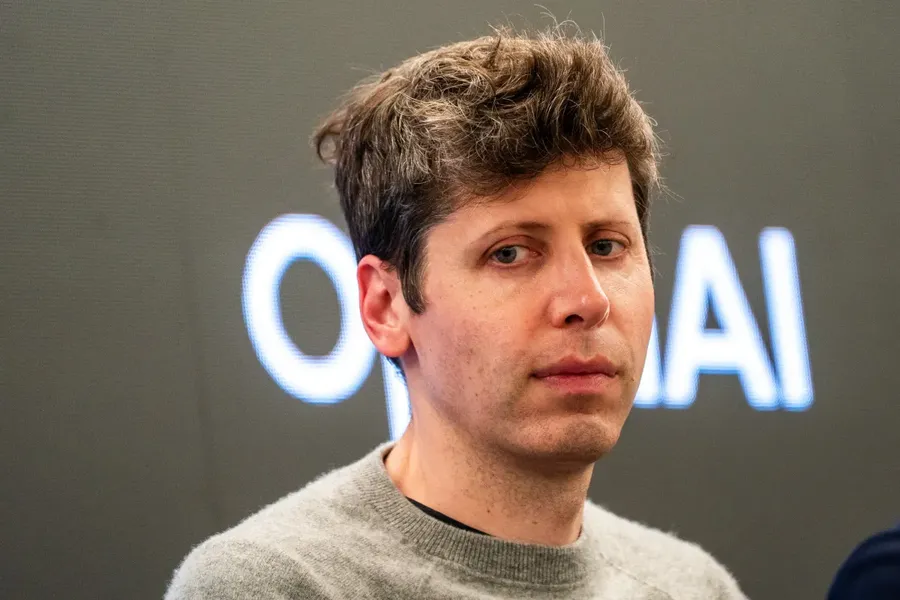
Sam Altman has proposed a ChatGPT parenting use case that would connect family calendars, absorb information about children’s interests, and generate a morning podcast for the school commute. The idea is technically straightforward, but the practical reaction was clear: family AI becomes uncomfortable when it appears to automate attention instead of creating more time for it. Altman’s proposal was framed around updates such as a child’s soccer game, an upcoming birthday, and the day’s news.
The proposed family workflow is useful, but poorly positioned
For an AI builder, the underlying pattern is familiar. A system ingests structured data from a family calendar, combines it with user-provided context about each child, and produces a personalized audio summary. This is a form of AI-assisted parenting focused on reducing planning overhead, not a new model capability.
The product question is where that summary belongs. A reminder before leaving home could help a busy parent remember an event or prepare a thoughtful question. A generated podcast played instead of speaking with a child sends a different signal. The distinction matters for any team building AI into daily life: automation should remove administrative work, not automatically occupy every human moment it can access.
The backlash was a trust signal, not just a joke
The response on X quickly turned the proposal into a debate about whether parents should use AI to mediate ordinary family interaction. Gravity Falls creator Alex Hirsch’s reply, “What if you just talked to your children?”, received substantially more engagement than Altman’s original post, according to the reported engagement figures.
That reaction is useful product feedback. People are not rejecting every OpenAI ChatGPT for families workflow. They are objecting to the implied substitution: an AI-generated narrative standing in for listening, remembering, and discovering what a child cares about in real time.
A related example came from Microsoft CEO Satya Nadella, who described using AI to discuss podcasts during his morning drive rather than listening to the podcasts themselves. The common thread is a product vision that treats unstructured human experience as an inconvenience to summarize. That may appeal to efficiency-minded users, but it can also make the product feel like a layer between people.
Family calendar AI needs a higher safety bar
The privacy concerns are more serious than the social-media mockery. A family calendar can reveal school schedules, locations, medical appointments, hobbies, and relationships. Adding children’s interests creates an even more sensitive profile. Builders working on family calendar AI should make data access explicit, minimize retention, provide deletion controls, and avoid assuming that one parent’s permission covers every child’s information.
OpenAI has been pursuing trust-sensitive parental experiences, while also facing lawsuits from families alleging that ChatGPT played a role in delusions and suicides. Those allegations are disputed legal claims, not proof that this particular calendar-and-podcast idea is unsafe. They do show why AI safety and parenting cannot be treated as a cosmetic feature layer.
The better design rule is simple: use ChatGPT in daily life to prepare, remind, and organize, then hand the moment back to the people involved. AI-generated podcasts for kids may be a viable optional feature, but they should supplement parent-child conversations, not become the default way a product delivers them.
Sources
- Sam Altman is still making the case for parenting via ChatGPT
- Sam Altman suggests parents generate AI podcasts about their kids
- OpenAI CEO suggests parents make AI-generated podcasts to remember their children's lives for them
- Sam Altman suggests parents generate AI podcasts about their kids
- Sam Altman shares ChatGPT parenting hack but people point out worrying flaw
- Sam Altman is getting dragged for suggesting this ChatGPT 'use case' for parents
- OpenAI CEO Sam Altman shares ChatGPT parenting... - India Today
- Sam Altman on ChatGPT for Parenting: A New AI Frontier
- Sam Altman slammed over ChatGPT use case for parents, internet...
- Sam Altman is still making the case for parenting via ChatGPT
- Florida Sues OpenAI, Sam Altman Over ChatGPT Safety Claims
- Sam Altman and ChatGPT in the hot seat again with Florida AG — but does it make sense?
- Florida sues OpenAI and CEO Sam Altman, claiming company concealed serious risks of ChatGPT
- Sam Altman Sued by Florida AG Over Alleged Exploitation of ChatGPT Users for Profit
- Sam Altman proposes using ChatGPT Work to narrate... - #Mezha
- Sam Altman is still making the case for parenting via ChatGPT
- Sam Altman is getting dragged for suggesting this ChatGPT use case for parents
- Harnessing AI for Parenting: Sam Altman's Vision with ChatGPT