Pax Silica AI Alliance Faces Binary Choice Test for Builders
Published by AINave Editorial • Reviewed by Ramit
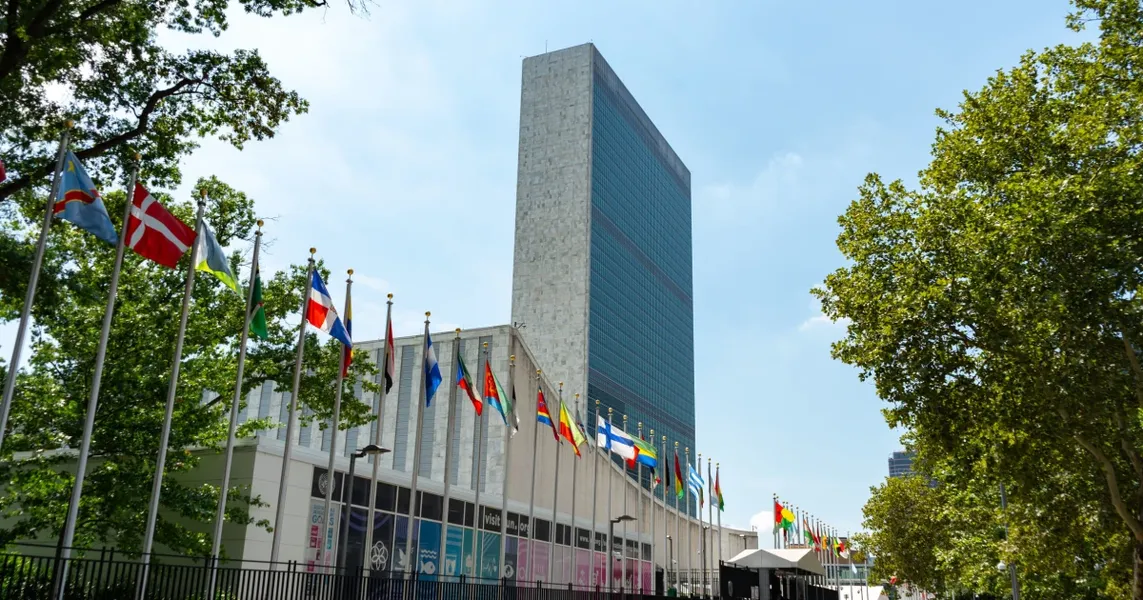
The US State Department has reportedly drafted a letter telling 35 countries they cannot hold membership in both the Pax Silica AI alliance and China's rival AI framework. For AI builders, this binary choice could reshape access to models, chips, and critical minerals, forcing teams to bet on one ecosystem for supply chain stability.
What the Draft Letter Says
According to a Reuters report citing a US official and an internal document, the undated draft goes to the 35 signatories of the US AI Opportunity Statement from June. The message is blunt: "To be part of everything is to be part of nothing." The letter urges countries to choose deliberately between Pax Silica and "duplicative initiatives" -- a reference to China's World Artificial Intelligence Cooperation Organization, though China is never named. The State Department declined to comment on the leaked document.
Pax Silica, launched last year, aims to secure supply chains across AI models, semiconductors, and critical minerals. About two dozen countries have joined, including Japan, Australia, South Korea, and Kazakhstan. Members get access to shared investment opportunities and are pushed toward coordinated export controls. The AI Opportunity Statement is a looser symbolic commitment to a "common purpose" with the US.
Why Kazakhstan Is the Test Case
Kazakhstan joined Pax Silica in June and then joined China's framework, making it the only known country to sign up to both. This set off alarm bells in Washington, according to Reuters. Kazakhstan holds significant reserves of minerals critical to advanced chips -- the same minerals China has used as a retaliatory weapon during tariff disputes. A supplier hedging between blocs is exactly what Pax Silica exists to prevent.
For builders, Kazakhstan's position illustrates the real-world tension: mineral supply chains for chip production could become a lever in AI geopolitics. If the US enforces a binary choice, countries with critical resources may face pressure to align, potentially affecting the cost and availability of hardware for AI workloads.
What This Means for Open vs Closed Models
China's rival framework, announced at a Shanghai conference, pitches open-weight models as the alternative to American influence. Hugging Face's CEO noted that China now accounts for 41% of open-model downloads. Meanwhile, US industry is divided: Nvidia and several large firms broke with OpenAI and Anthropic over open weights this year.
The binary choice could accelerate this split. If countries commit to Pax Silica, they may align with US-led export controls and closed-model ecosystems. If they lean toward China's framework, they gain access to downloadable models but face uncertainty as Beijing weighs restrictions on overseas access to its leading models. Builders relying on open models from either side should watch how these alliances affect model availability and licensing.
Practical Implications for AI Builders
The immediate question is whether the letter is ever sent. It is a draft, undated, and unconfirmed. If it is sent, the next signal is how Kazakhstan responds. Its decision will indicate whether the threat has force. The full membership list of 35 signatories is also unknown -- until it surfaces, no one outside Washington knows which countries are being asked to choose.
For teams building AI products, the key risk is supply chain fragmentation. If countries align with one bloc, access to chips, models, and minerals could become restricted based on geography. Builders may need to diversify suppliers or localize R&D to stay flexible. European teams face additional pressure as Brussels pursues a third position through Made in EU rules and compute sovereignty, but a binary choice letter could force clearer positioning.
Caveats and Uncertainties
The draft letter's authenticity and timing remain unconfirmed. China's own model openness is evolving, with reports that Beijing is considering restrictions on overseas access. The absence of European countries in reported membership lists does not prove they are excluded. The situation is fluid, and builders should treat this as a signal of direction rather than a settled policy.