Paid time off in the AI race: rest vs relentless cadence for builders and labs
Published by AINave Editorial • Reviewed by Ramit
A public debate about paid time off in AI labs, kicked off by former OpenAI policy head Miles Brundage, is forcing builders to think about how work culture affects talent retention. The core question: can you keep top engineers without letting them disconnect?
Brundage argued on X that "rest is important," prompting OpenAI and Anthropic staff to share their own vacation habits. One Anthropic employee posted about a trip to the Edinburgh Festival Fringe; an OpenAI engineer said the thread was "a sign that I should take some vacation." The exchange included a jab from Anthropic's Thariq Shihipar to OpenAI's Jason Liu: "Aren't you always on vacation?" The exchange was documented in a Business Insider report.
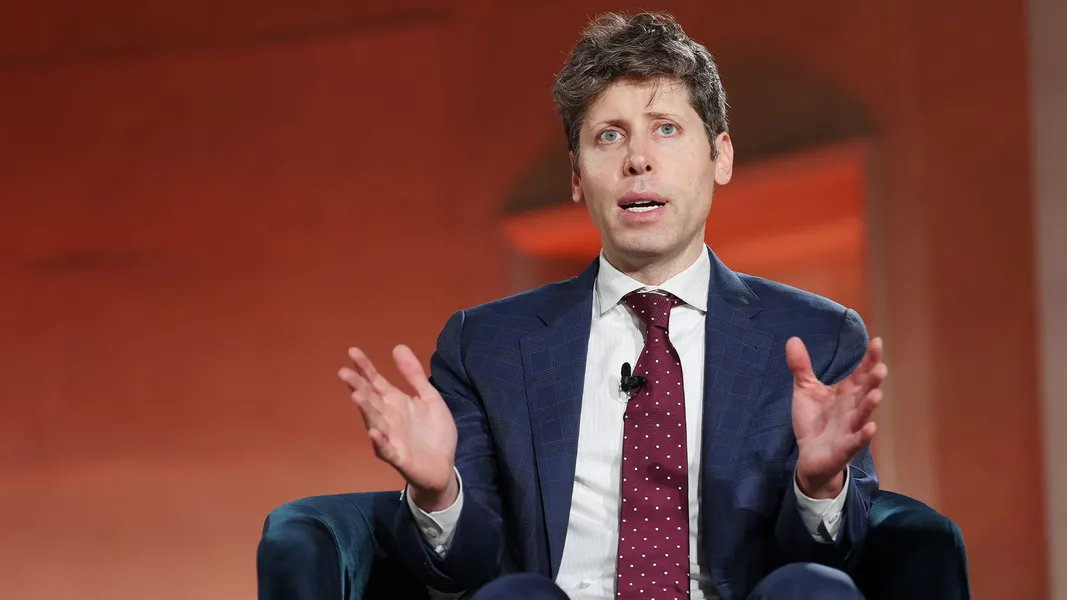
Broader benchmarks put the discussion in context. According to the Bureau of Labor Statistics, 95% of information workers have access to paid vacation. A 2025 Alliant survey found tech companies offer an average of 19.8 days of PTO. But the AI race is accelerating, and some labs are known for hardcore schedules, including 996-style hours (9 a.m. to 9 p.m., six days a week). OpenAI CEO Sam Altman described himself in 2018 as a "bad example of work-life balance," saying he tries to take vacation but otherwise just works Altman's comment was reported in the same Business Insider article.
Why this matters for AI builders
For founders and engineering leads building AI products, the PTO debate is not just a cultural curiosity. It directly affects your ability to hire and keep the talent that drives model development, infrastructure, and product velocity. If your lab or startup signals that vacation is frowned upon, you may lose candidates to teams that treat rest as a retention tool.
The anecdotal evidence suggests a split. Some AI employees feel pressure to stay connected, describing the news cycle as "drinking from a water hose, and the hose just keeps getting bigger." Others, like the Anthropic staffer at the Edinburgh festival, appear to take normal breaks. The difference may come down to leadership modeling: if the CEO never disconnects, the team follows.
What the evidence doesn't tell us
The available reporting is almost entirely anecdotal. No comprehensive data exists on actual PTO usage at OpenAI, Anthropic, or other major labs. The 19.8-day tech industry average may not reflect AI-specific practices, where competition for talent is extreme and work cadences can be intense. The debate also doesn't address how PTO policies differ by role (research vs. engineering vs. operations) or by geography.
The practical takeaway
If you're building an AI team, treat PTO culture as a signal in your hiring process. Candidates are watching how labs talk about rest. The labs that make vacation a real expectation, not just a policy, will have an edge in retaining the people who make the next breakthrough possible. The race is fast, but burnout is faster.
FAQs
Sources
- The AI race is moving fast. What does that mean for employees' summer vacation?
- The AI race is moving fast. What does that mean for employees...
- Week 25- AI Is Moving Fast in Life Here’s How to Catch Up on Latest...
- The AI Race Just Got Bigger
- China's humanoid robots are stealing the show, but a quieter machine...
- As Minnesota gets warmer and wetter, what does that mean for...
- The AI race is moving fast. What does that mean for employees' summer vacation?
- In the AI era, tech talent strategies need a wake-up call
- Why Anthropic Thinks AI Development May Be Moving Too Fast
- In our view the current AI investment boom is sustainable, while share...
- Introduction - SITUATIONAL AWARENESS: The Decade Ahead
- Why Meta is My New Favorite to Win the AI Race - 24/7 Wall St.