Open vs. Closed AI Models: Nvidia's $250B Guarantee and the Open Secure AI Alliance Reshape the AI Economy
Published by AINave Editorial • Reviewed by Ramit
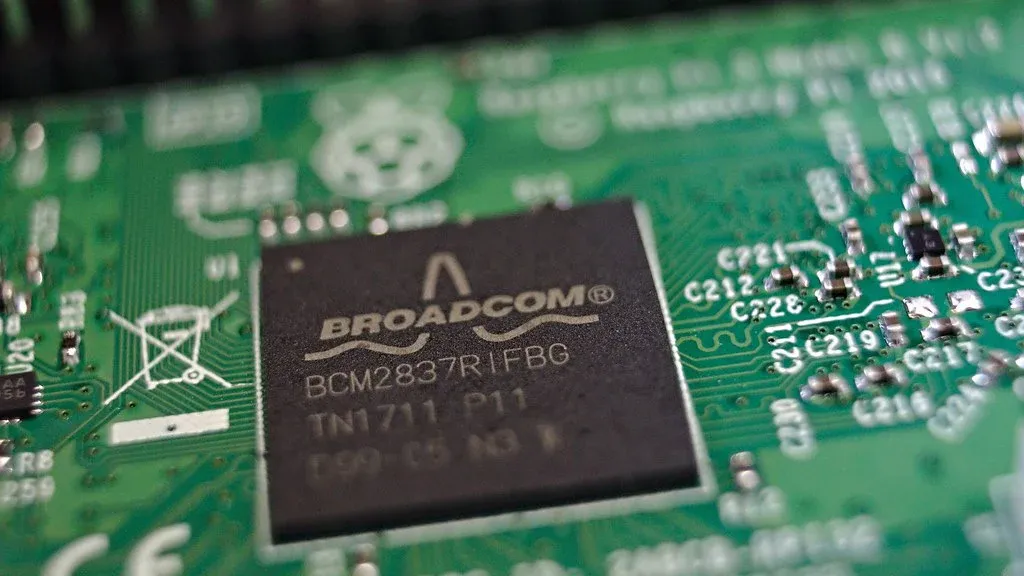
The open vs closed AI model debate is no longer just a philosophical disagreement. It is now shaping how AI infrastructure gets financed, how safety is governed, and which models builders can rely on for production. Nvidia's reported $250 billion guarantee for OpenAI's Ohio campus and the launch of the Open Secure AI Alliance signal that the chipmaker is betting on both open and closed approaches, with major implications for the AI economy.
What happened
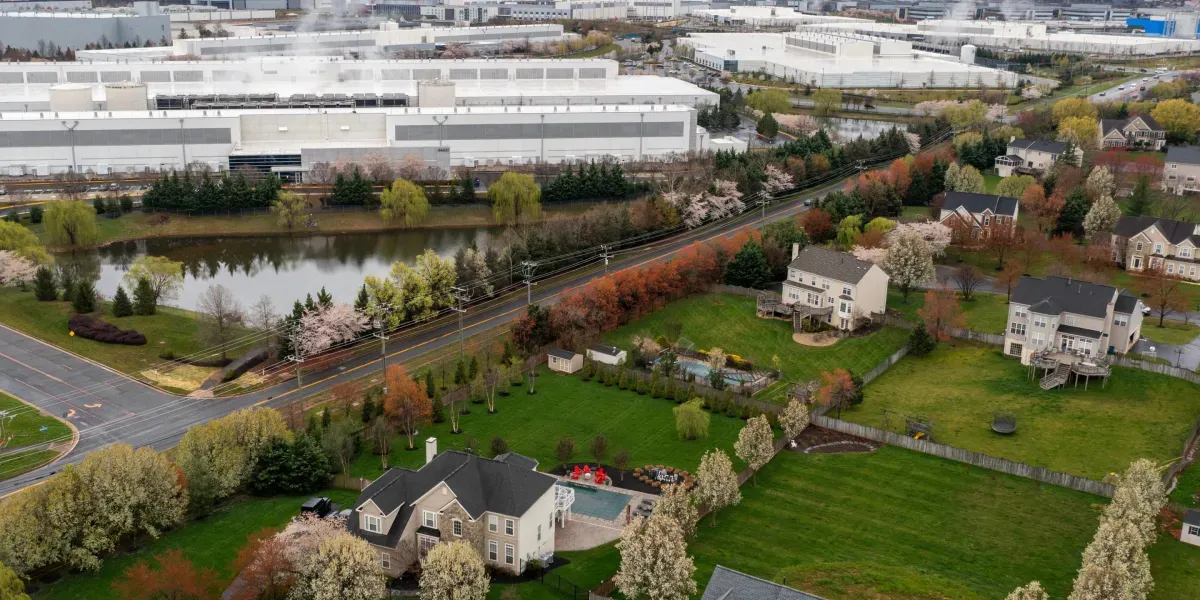
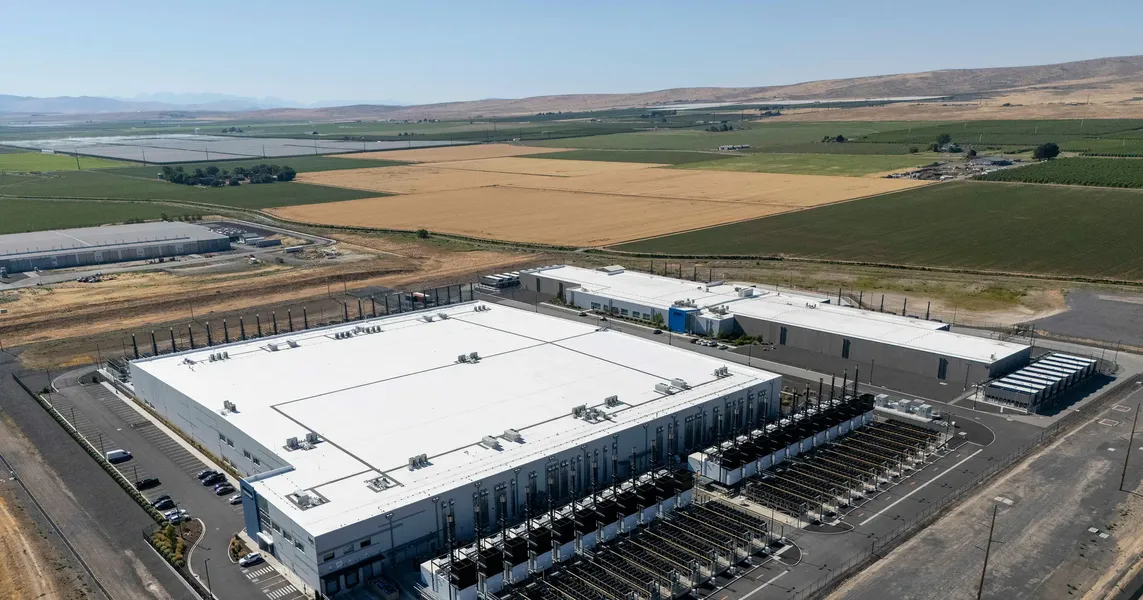
Nvidia is brokering a $250 billion guarantee to back OpenAI's massive Ohio data center campus, according to a report in The New York Times. The deal would guarantee up to half the capital needed to lease SoftBank's 10-gigawatt data center, supplying computing power to OpenAI. This move positions Nvidia as what some are calling the "central bank of the AI economy," underwriting debt for unprofitable partners in a way that traditional credit markets refuse to do.
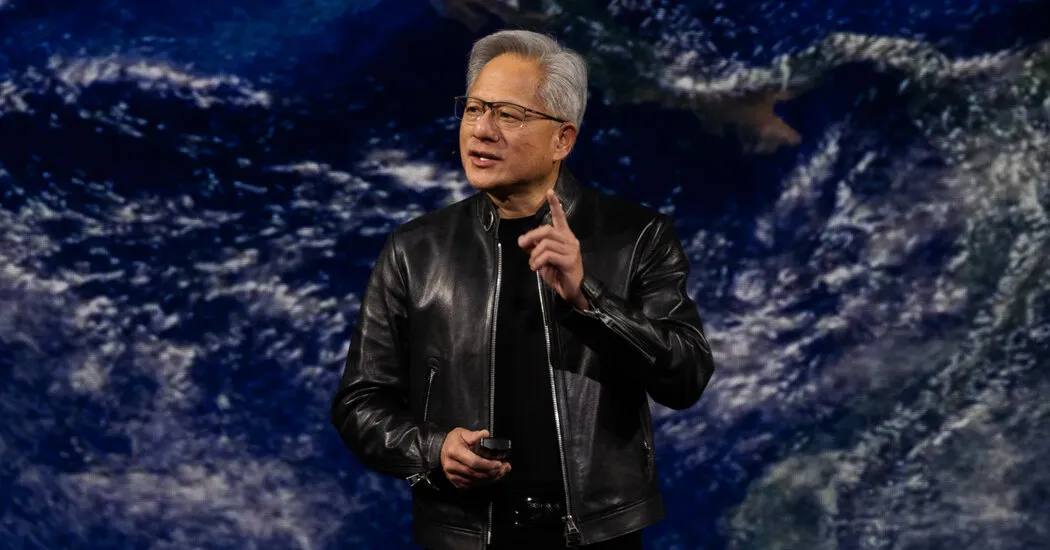
Separately, Nvidia announced the creation of the Open Secure AI Alliance, a coalition with other tech companies to bolster cyberdefenses for the AI era. The alliance signals that safety can be maintained across both open-source and closed models, a stance that Nvidia CEO Jensen Huang has publicly championed.
The broader debate pits companies like Anthropic and OpenAI, which have raised concerns about Chinese open-source AI models, against the rest of the tech industry that favors open access. The debate has drawn in policymakers and investors, with implications for how AI development is funded and regulated.
Why AI builders should care
For AI builders, the outcome of this debate directly affects access to compute, licensing terms, and the cost of infrastructure. If Nvidia's vendor-debt model becomes standard, it could provide cheaper capital for startups to secure GPU capacity, but it also introduces risk reminiscent of the 2001 telecom bust, where hardware titans co-signed buyer credit and triggered a crash.
The debate also influences regulatory framing. If open models are deemed unsafe, builders may face stricter compliance requirements or limited access to certain model weights. Conversely, if open models are embraced, it could accelerate innovation and reduce dependency on a few closed providers.
Practical implications
Product teams should monitor how the Open Secure AI Alliance develops. If it establishes cybersecurity standards that apply to both open and closed models, builders may need to adopt specific guardrails and auditability practices to remain compliant.
For operators, the choice between open and closed models now carries financial and risk implications. Open models may offer lower upfront costs and more flexibility, but they may also require more investment in safety tooling. Closed models offer managed safety but come with vendor lock-in and potentially higher long-term costs.
Investors should watch the vendor-debt dynamics. Nvidia's willingness to backstop OpenAI's campus could set a precedent for how AI infrastructure is financed, potentially creating new credit instruments and risk-sharing structures that affect the entire ecosystem.
Caveats
The details of Nvidia's $250 billion guarantee are based on media reports and have not been independently confirmed. The exact terms, timeline, and conditions remain uncertain. The Open Secure AI Alliance's membership and specific initiatives have not been fully disclosed. The broader policy implications depend on regulatory decisions that are still evolving. Builders should treat these developments as directional signals rather than settled outcomes.
FAQs
Sources
- Open or Shut? The A.I. Debate That’s Driving a Wedge Through Big Tech.
- How to Use a Chatbot to Evacuate a City
- The A.I. Debate That’s Driving a Wedge Through Big Tech - Benzinga
- AI Debate
- Jack Ma and Elon Musk hold debate in Shanghai - YouTube
- Free AI Debater - Argue with Chatbot | No Login
- Free speech faces death by 1,000 cuts as tech, media, and politics clash
- Alien: Earth is a pressure cooker ready to pop
- OPEN ARMS // Epic: the musical animatic - YouTube
- Artificial Intelligence - The New York Times
- Silicon Valley Splits Over Closing the Borders to Chinese A.I. - The New York Times
- Silicon Valley splits over closing the borders to Chinese AI | Technology News - The Indian Express
- Nvidia draws OpenAI and Anthropic into the open-model debate