Meta AI smart glasses privacy concerns: a covert filming incident reveals design gaps
Published by AINave Editorial • Reviewed by Ramit
A woman was secretly filmed by a man wearing Meta's Ray-Ban AI smart glasses, and the video went viral across platforms with over 200,000 views. The incident highlights a growing privacy problem with wearable AI: devices that can record without clear consent, often in legal gray zones. For builders shipping AI wearables or integrating camera features, this case is a practical warning about consent indicators, tamper-proofing, and regulatory exposure.
A viral incident exposes a consent gap
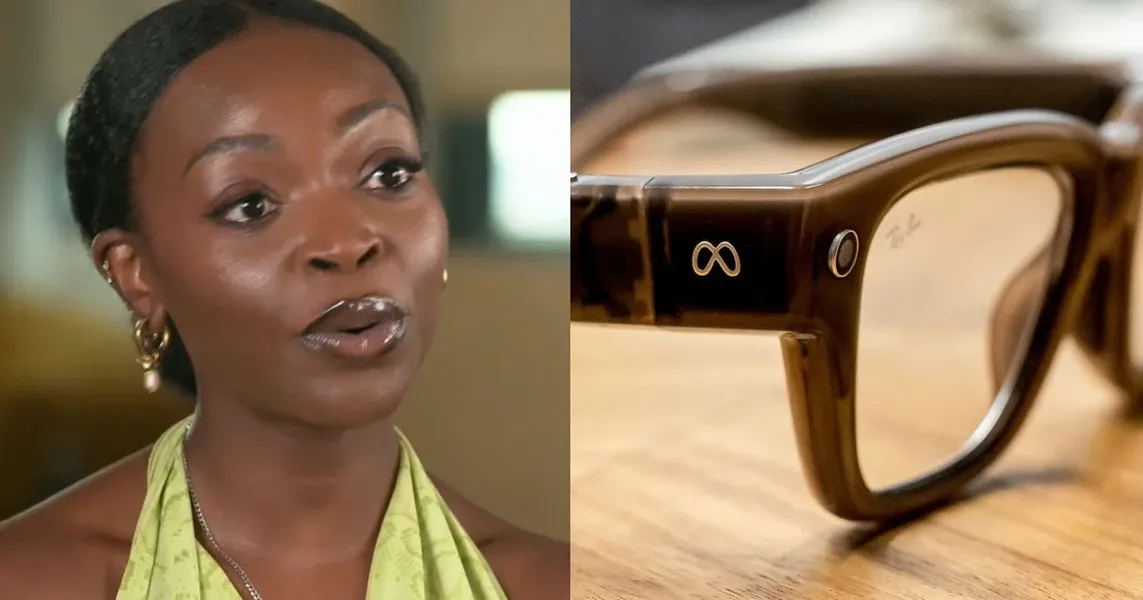
Toluwa Omitowoju discovered she had been recorded without her knowledge when friends sent her a video posted on social media. The man wearing Meta's AI-powered glasses filmed a pickup line interaction and posted it online. "I had no say," she told CBS News. Other women reported similar experiences, sometimes with videos posted under anonymous accounts.
Meta says its glasses include privacy safeguards: a capture LED that lights up during recording and software that should prevent recording if the LED is covered. But when CBS News tested the tamper detection by covering the light after starting to record, the disabling mechanism did not appear to work. Meta clarified that the tamper detection is designed to prevent recording only if the light is covered before pressing record, and said it continues to improve the technology.
What this means for wearable AI product design
For builders, the core issue is that current consent mechanisms are easily bypassed. The LED indicator is small and can be obscured. The tamper detection has a narrow window of effectiveness. And in most states, only the person recording needs to consent, so the person being filmed has no legal right to refuse.
This matters directly if you are building a wearable AI product, an AR headset, or any device with a camera that can be triggered discreetly. The design challenge is not just technical but legal and social. A product that enables covert recording invites regulatory scrutiny, platform takedowns, and reputational damage. Texas Attorney General Ken Paxton launched an investigation into Ray-Ban Meta glasses in May, and ICE has banned the devices for its workers.
The privacy features that didn't hold up
Meta's own safeguards are the clearest example of the gap between design intent and real-world use. The LED indicator is meant to notify bystanders, but it is easy to miss or block. The tamper detection only works if the obstruction happens before recording starts, which is a narrow condition. A builder shipping a similar product should assume that any visible indicator can be defeated and plan for stronger defaults, such as requiring an explicit gesture or voice command to start recording, or using a physical shutter.
What builders should watch for
Regulatory momentum is building. Beyond the Texas investigation, legal experts are calling for updated privacy laws that account for wearable AI. Platforms like Instagram are already enforcing takedown policies for content that invades privacy. For builders, the practical takeaway is that privacy features must be robust against determined misuse, and that one-party consent laws create a legal gray area that will likely be tested in court. If you are building AI wearables, invest in consent-by-default design and expect regulatory pressure to increase.
FAQs
Sources
- Woman covertly filmed by Meta AI smart glasses raises privacy and consent concerns: "I had no say"
- Photo essay: A glimpse into the lives of... | UN Women – Headquarters
- B.C. woman says Mounties need better training on... | CBC News
- Knoxville weather anchor Tabitha Bartoe says curly hair led to WATE...
- ‘I was violently attacked but my case was dropped because I had been...
- Woman covertly filmed by Meta smart glasses raises privacy concerns
- ICE Bars Its Workers From Wearing Meta’s Smart Glasses on the Job
- Smart glasses give men tools to 'stalk and harass' women, study finds
- Meta glasses are a workplace menace
- Being filmed without consent with Meta smart glasses? Viral Disney song trick claims to offer a solution
- Meta AI Smart Glasses Raise Privacy Questions After Woman ...
- Viral Smart-Glasses Video Raises Meta Privacy Concerns | TMC ...
- Did someone wearing Meta Glasses film you today? Are you sure?
- Meta's smart glasses make it easy to secretly film people. It ...
- Legal expert raises privacy concerns over AI smart glasses, advises GOVT to take action