semafor.com
CXMT DRAM enters PC supply chains as AI demand tightens memory
Tech News••
3 min read
Published by AINave Editorial • Reviewed by Ramit
TL;DRAcer, Asus, and HP are reportedly using limited CXMT DRAM chips in selected notebooks as AI data center expansion strains global memory supply. For AI builders, the shift is a reminder that hardware costs and geopolitical constraints increasingly shape infrastructure decisions.
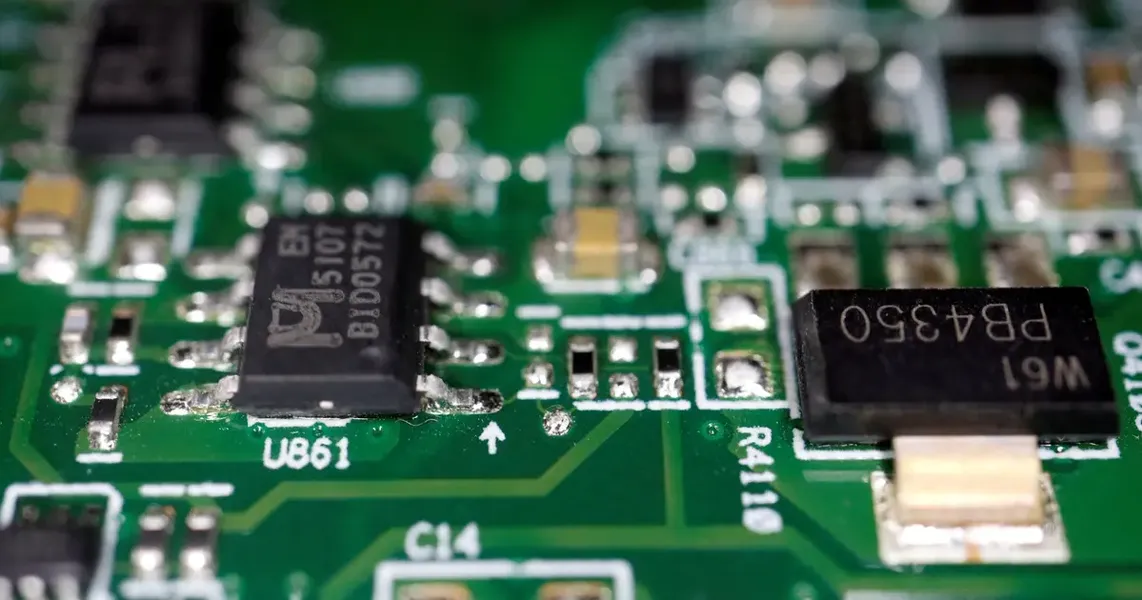
Acer, Asus, and HP have reportedly started using limited CXMT memory chips in selected notebook models as a global memory shortage raises costs. The practical takeaway for AI builders is straightforward: memory supply is becoming a procurement and deployment constraint, not just a component-level concern.\n\n## CXMT DRAM gets a foothold in notebooks\n\nCXMT, or ChangXin Memory Technologies, is a Chinese memory manufacturer. Reports indicate that Acer, Asus, and HP completed qualification work for CXMT DRAM and began using small quantities in some notebooks, with the use reportedly limited and focused outside the US. The available evidence does not establish that these companies have broadly switched suppliers.\n\nThat distinction matters. PC makers appear to be adding CXMT as a constrained source of supply while preserving relationships with established suppliers such as Samsung and SK Hynix. This is supplier diversification under pressure, rather than a clean replacement of the existing memory supply chain.\n\n## AI data centers are competing for the same memory\n\nThe shortage is being intensified by AI infrastructure spending. The cited reporting says AI-driven data center buildouts are expected to absorb 70% of memory chip production in 2026, while DRAM costs have tripled over the previous 18 months according to the report. Those are substantial figures, but they should be treated as reported expectations and market claims, not as an independently verified forecast.\n\nFor teams building AI products, the effect can show up well beyond GPU procurement. Developer workstations, inference servers, storage systems with large caches, and edge devices all depend on predictable memory availability. Higher DRAM prices can increase the cost of scaling an internal development fleet or deploying memory-heavy inference workloads.\n\n## What changes for AI infrastructure teams\n\nThe immediate lesson is to model memory as a supply-risk variable. A design that assumes one memory vendor, one region, or one component specification may be harder to fulfill when data center demand takes priority.\n\nTeams can respond by qualifying compatible memory configurations earlier, separating hard requirements from preferred vendor choices, and checking whether deployment targets permit alternate components. That does not mean every builder should adopt CXMT memory. It means procurement, firmware validation, performance testing, and compliance review should happen before a shortage forces a rushed decision.\n\nThe trade-off is familiar: a second supplier can improve availability and negotiating leverage, but it can also add validation work and policy exposure. Memory substitution is not automatically performance-neutral across every system, and the supplied reporting provides no independent benchmark comparing CXMT DRAM with Samsung, SK Hynix, or Micron products.\n\n## Geopolitics limits the value of diversification\n\nCXMT has been designated by the US government as linked to the Chinese military, according to the cited report. That designation creates additional risk for companies serving regulated customers or operating under strict supply-chain requirements. It does not, by itself, establish that a particular notebook or memory module is insecure, and the provided evidence contains no technical security finding about CXMT DRAM.\n\nThe right decision rule is therefore conditional. CXMT may offer a useful source of capacity for products and regions where it is permitted and properly validated. For US-facing, government, or security-sensitive deployments, legal, customer, and procurement restrictions may outweigh the short-term benefit of additional supply.\n\nThis story is less about one chip vendor taking over PCs than about AI demand narrowing the room for single-source planning. Builders should qualify alternatives before they need them, but treat geopolitical status, product-level validation, and actual regional availability as separate questions.
Sources
- Major PC makers turn to China’s CXMT amid memory shortage
- World's Largest PC Makers Start Using Memory Chips... | ZeroHedge
- HP, Asus and Acer begin using CXMT chips amid memory shortage
- Report: Desperate PC manufacturers are turning to China... | PCWorld
- Three major PC makers now using Chinese memory to fight...
- Major PC makers turn to China's CXMT amid memory shortage
- HP among PC makers using CXMT memory chips amid national security concerns: report
- Three major PC makers now using Chinese memory to fight unprecedented memory shortage, report claims
- CXMT DRAM is now inside laptops: China learns of chip flaws before PC makers can patch them
- HP, Asus, Acer quietly embrace limited CXMT chips amid tight DRAM supply, as they fear upsetting memory giants: report
- Major PC makers turn to China's CXMT amid memory shortage
- Three major PC makers may have started using Chinese chips to ...
- China's CXMT Breaks Into Global PC Supply Chain Amid Memory ...
- HP, Asus and Acer Turn to CXMT Chips Amid Global Memory Shortage
- The RAM Crisis Is Forcing PC Makers to Team Up With a Company the U.S. Hates