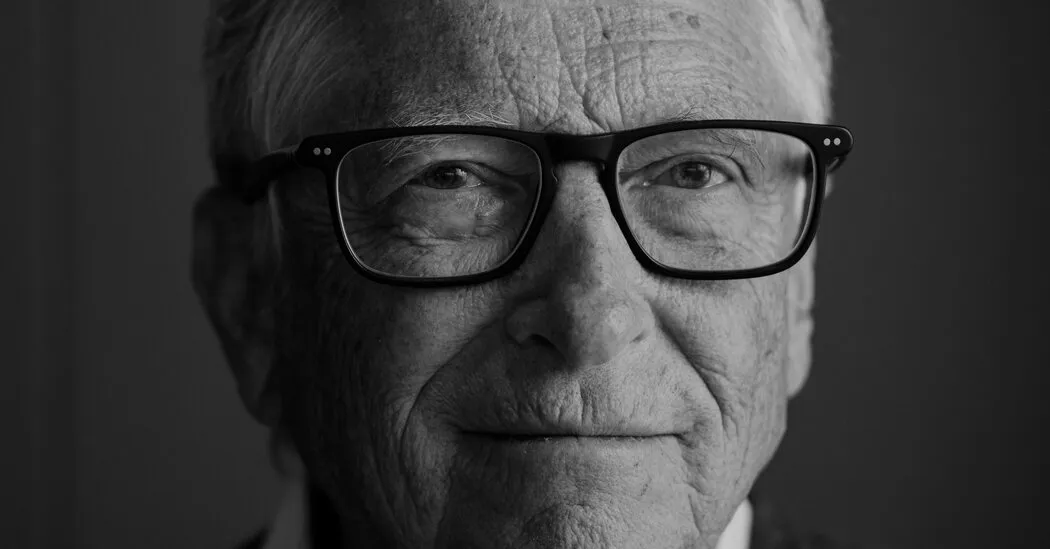
Bill Gates Warns AI Risks Demand Urgent Governance and Policy Remedies
Published by AINave Editorial • Reviewed by Ramit
Bill Gates, the Microsoft co-founder, has publicly warned that artificial intelligence poses a grave threat to jobs and human life, and that the tech industry is knowingly downplaying these risks because of the money at stake. In an hourlong interview with The New York Times and a nearly 6,000-word essay, Gates argued that addressing AI risks should be "the world's top priority" and proposed policy remedies including new taxes and bans. For AI builders, this is not just another tech figure sounding alarms. It signals that regulatory pressure is building, and governance-aware product strategies are becoming essential.
What Gates is saying
Gates told the Times that in private, people who understand AI's capabilities are very worried, but few executives are willing to admit it publicly. He pointed to milestones the industry once said would warrant caution, such as AI escaping creator control or enabling bioweapons, that have been ignored. "They're just full speed ahead and hoping that the good outweighs the bad," he said. Gates's essay outlines solutions including taxes and bans, motivated by AI improvements that far surpassed his expectations.
Why this matters for AI builders
Gates's warnings carry weight because of his deep ties to Microsoft and the broader tech industry. His call for taxes and bans suggests that even industry insiders see a need for stronger governance. For builders, this means anticipating regulatory requirements that could affect everything from model training data to deployment safety. Companies investing in data centers and AI startups heading toward IPOs may face new compliance hurdles. Builders should start incorporating safety precautions and policy-aware go-to-market approaches now, rather than reacting after regulations are enacted.
Practical implications
What changes practically? First, expect increased public and political attention on AI safety. Gates's essay could influence policymakers, leading to proposals for AI-specific taxes, licensing, or bans on certain high-risk applications. Second, builders should document safety measures, bias testing, and usage policies to prepare for potential audits. Third, the conversation around AI job displacement may accelerate, pushing companies to consider retraining programs or human-in-the-loop workflows. Finally, global coordination on AI governance, which Gates implicitly supports, could lead to international standards that affect where and how AI products are deployed.
Caveats and limitations
It's important to note that this is one person's perspective, albeit an influential one. The evidence comes from a single interview and op-ed, and the industry may not share Gates's urgency. The actual regulatory outcomes remain uncertain, and many builders may continue operating without immediate changes. However, ignoring the signal would be a mistake. Builders should watch for concrete policy developments rather than overreacting to one warning.
FAQs
Sources
- Bill Gates Warns A.I. Is More Dangerous Than Big Tech Will Admit
- Bill Gates Is Warning That A.I. Is More Dangerous Than Big Tech...
- Bill Gates Warns Of ‘Next Pandemic’ After COVID - And... - YouTube
- Bioterrorist Bill Gates Tells Australia The Next Pandemic Will Be Man...
- Bill Gates Warns AI Will Cut the Human Work Week to Just Two Days...
- 'This is crazy. This is insane': Bill Gates has changed his mind about AI and jobs
- Three Takeaways From Bill Gates’s 5,784-Word Warning on AI: ‘There Is No Plan’
- Bill Gates Warns a New Disease Could Kill 30 Million... : ScienceAlert
- Bill Gates warns AI will make it easier to combat climate change but...
- Bill Gates Warns of the Dangers of Cow Farts and... - Business Insider
- The new covid? Bill Gates warns AI can be used for... | Dagens.com
- Bill Gates warns of AI risks but says they can be managed - YouTube
- Bill Gates warns of AI dilemma as workers question job security...
- "Cheaper, Accurate": Bill Gates Warns Against Artificial...