AT&T Fiber Installation Demand Grows With AI Data Centers
Published by AINave Editorial • Reviewed by Ramit
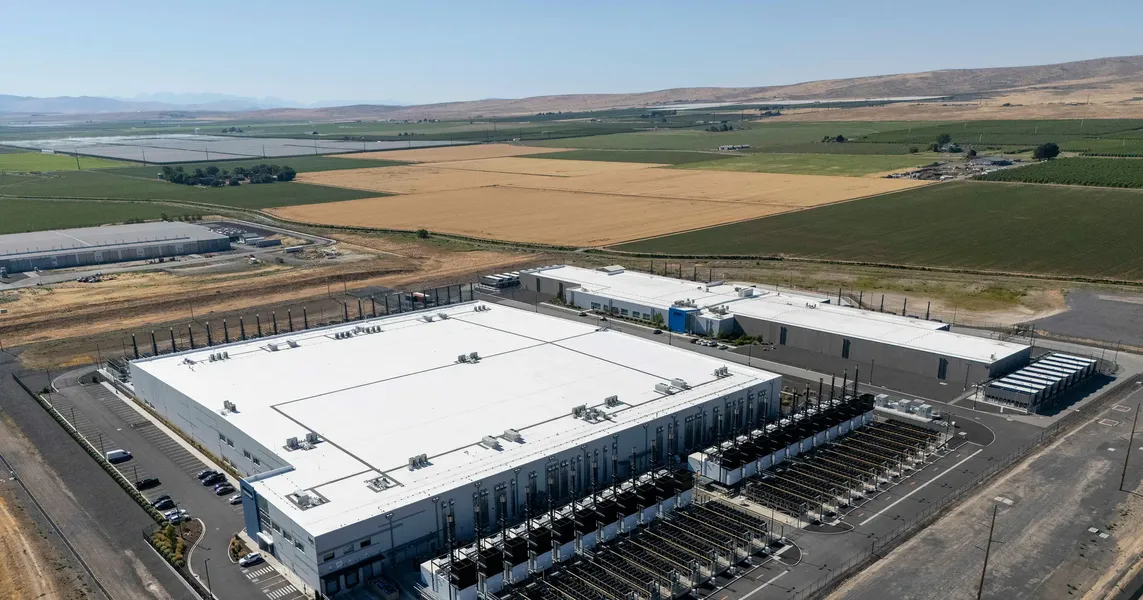
AT&T fiber installation for AI-ready data centers is becoming a labor and scheduling issue as data-center construction expands across the United States. The practical takeaway for AI builders is simple: a facility can be ready on paper while its external network connections are still waiting on fiber deployment and qualified crews.
AI data-center growth is creating a fiber bottleneck risk
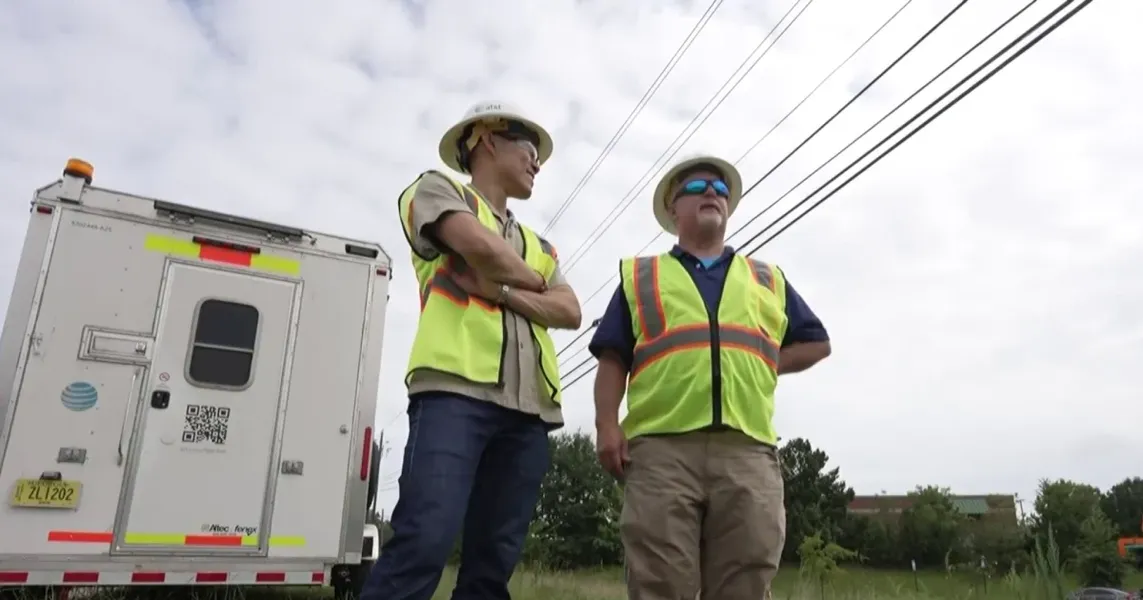
The reported development links the growth of AI-powered data centers with demand for human workers to lay new fiber optic cables. The activity involves AT&T and the broader telecom infrastructure sector, but the supplied material does not identify a complete list of participating companies or projects.
Fiber is part of the connectivity layer that allows data centers to exchange data with cloud services, enterprise systems, other facilities, and users. As operators plan larger or more distributed AI deployments, fiber deployment becomes part of infrastructure expansion for AI, rather than a minor post-construction task.
Why AI builders should track telecom capacity
For a model company or an AI product team, the immediate concern is rarely the cable itself. It is the dependency chain around it. Data-center operators must coordinate site construction, power availability, network connections, equipment installation, and service activation. A shortage of qualified installation crews can add another scheduling dependency.
That matters most for teams planning inference capacity, training clusters, or enterprise deployments around a new facility. A delayed connection can affect when systems become operational, even if servers and physical space are available. The same constraint may influence regional choices when a team compares an established facility with a newer AI-ready data-center site.
This is also why fiber infrastructure labor demand can affect AI deployment planning. Builders should ask infrastructure providers about network readiness, contractor availability, permitting dependencies, and the difference between a planned connection and an activated one.
What the coast-to-coast rollout means in practice
The source describes a coast-to-coast fiber rollout in the United States, indicating broad activity rather than a single local project. It does not provide regional project lists, installation estimates, costs, or a schedule for particular facilities.
For product teams, the useful response is to treat connectivity as a milestone with an owner and a contingency plan. Confirm whether a provider has committed capacity, which telecom contractors are responsible for the work, and whether alternative sites or network paths exist. Those questions are especially relevant when an AI center construction timeline is tied to a customer launch or a capacity reservation.
The evidence is still limited
The available report excerpt supports the link between AI data-center growth and increased demand for skilled labor for fiber install. It does not establish how many workers are needed, how much projects cost, how long installation takes, or whether labor shortages are delaying specific deployments.
That limits the conclusion. Fiber labor demand is a credible planning variable for AI-ready data centers, but the supplied evidence does not support a precise forecast of deployment delays. Teams should validate timelines directly with data-center operators and telecom providers instead of treating the broader trend as a facility-specific prediction.
For AI builders, the decision rule is to include fiber readiness in technical due diligence from the start. Compute capacity gets attention because it is visible in architecture diagrams. Network construction can be less visible, but it may determine when that architecture is usable.