Alphabet's Frozen v2: A hardware-software co-design bet to boost Gemini AI efficiency
Published by AINave Editorial • Reviewed by Ramit
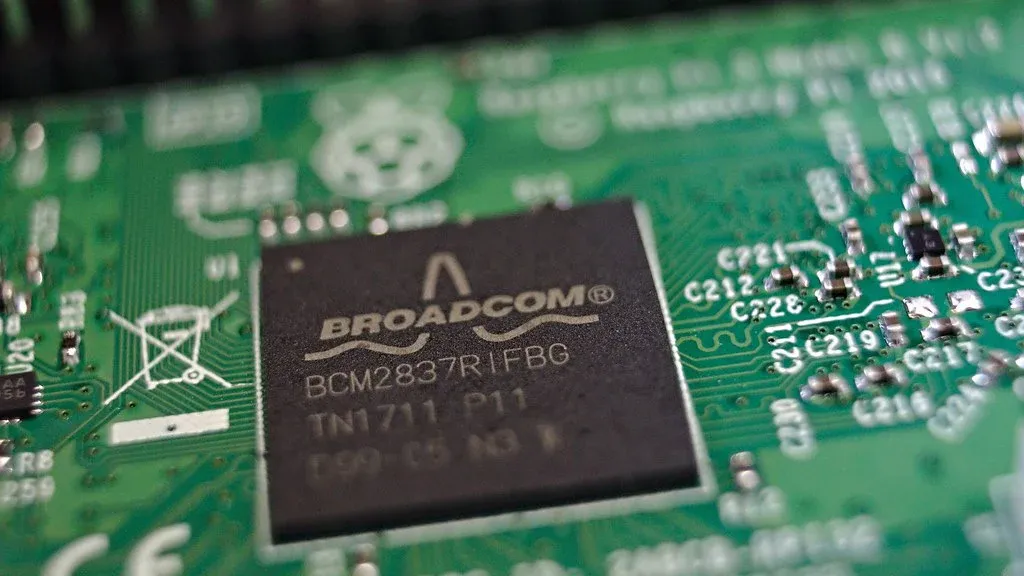
Alphabet is reportedly developing a server chip codenamed Frozen v2 that embeds parts of Gemini's architecture directly into silicon, aiming for six to ten times more tokens per unit of power than Google's latest TPUs. The project targets a 2028 deployment and is intended to ease an internal compute shortage that has constrained Google Cloud capacity. The chip would be a specialized branch of Google's chip portfolio rather than a TPU replacement, but it would only work with future Gemini models unless the underlying architecture remains compatible.
What happened
Alphabet shares climbed 3% after The Information reported the company is developing a new server chip internally dubbed Frozen v2. The chip would permanently embed parts of Gemini's architecture directly into the silicon, reducing the number of calculations and amount of data movement required to answer queries.
Google engineers project Frozen v2 could serve between six and ten times more tokens per unit of power than the company's newest TPUs. The project is described as a more specialized branch of Google's custom-chip portfolio rather than a replacement for its general-purpose TPUs.
The company is targeting 2028 for deployment. The effort is aimed at easing a major internal compute shortage that has fueled tensions and reportedly forced Google Cloud to turn away outside business. Just last month, Google agreed to pay SpaceX nearly $1 billion a month to help bridge the gap and meet its enterprise compute commitments.
Why AI builders should care
For teams building on Google Cloud or using Gemini models, Frozen v2 signals a potential shift in how inference compute is delivered. A chip that delivers 6-10x more tokens per watt could meaningfully lower inference costs for Gemini workloads, assuming the architecture stays compatible.
The project also reflects a broader industry trend toward hardware-software co-design. Alphabet told CNBC that "by co-designing our hardware and software from the ground up, we ensure our systems are integrated and highly optimized for real-world workloads." This approach is increasingly common among hyperscalers building custom silicon for their own models.
The timing matters. The next Gemini Pro release is delayed and Google has lost several senior researchers to rivals. Chinese models now account for 45% of U.S. company token use. Frozen v2 is a long-term bet on Gemini's architecture, but it does nothing for the immediate competitive pressure.
Practical implications
If Frozen v2 proceeds, it would create a tightly coupled hardware-software stack. The chip would work with future Gemini models only if Google sticks with the same underlying architecture. That means builders who standardize on Gemini may benefit from better efficiency, but the lock-in risk is real.
Google reportedly views Frozen v2 partly as a trial run and does not plan to produce it at the same scale as its TPUs. That suggests the project is exploratory, not a near-term product. For now, Google Cloud customers should expect TPUs and Nvidia GPUs to remain the primary compute options.
The compute shortage that Frozen v2 aims to address is acute. Google's $1 billion per month SpaceX deal underscores how expensive bridging the gap is today. A successful Frozen v2 could reshape Google Cloud's capacity planning and pricing, but that is years away.
Caveats
All details are based on a single report from The Information. Alphabet's statement to CNBC noted that "while not every project moves into production, this rigorous exploration is central to our full stack approach." The project may never ship.
Frozen v2's compatibility constraint is a major caveat. If Gemini's architecture changes significantly between now and 2028, the chip may not work with the models it was designed to accelerate. That risk limits the project's strategic value.
The 6-10x efficiency projection is an internal estimate, not a validated benchmark. Real-world performance will depend on workload patterns, model architecture, and system integration.
Finally, the 2028 timeline means this project will not address Google's current compute shortage or competitive pressure from Chinese models and delayed Gemini releases. Builders should not factor Frozen v2 into near-term infrastructure decisions.
FAQs
Sources
- Alphabet stock pops on report it's developing a more efficient AI chip
- Alphabet stock falls on report of Gemini AI model delays
- Alphabet Stock (GOOGL) Falls on Reports New AI... - TipRanks.com
- Alphabet Stock Sinks on Reports of Google Gemini... - Benzinga
- Alphabet Stock Sinks on Gemini Delays, Retail Investors... | Dissenter
- Alphabet stock pops on Gemini 3 rollout, Inspire... | BeyondLINK
- GOOGL stock dips premarket after breakout week: Analyst says Google developing next-gen AI chip with MediaTek
- Alphabet stock pops on Dow debut, but the tech giant faces major AI...
- 2 Stocks to Buy on Overdone AI Infrastructure... | The Motley Fool
- 7 Best Semiconductor Stocks for 2026 | Investing | U.S. News
- Alphabet stock gains on report of Google’s new ‘Frozen’ chip to boost Gemini AI efficiency
- Alphabet stock gains on report of next-generation AI chip project
- Alphabet's Google developing new chip for AI model, stock jumps
- Alphabet perks up on report it's working on server chip to increase AI model efficiency
- GOOGL - Alphabet Inc Stock Price and Quote