AI-Generated Images Without Consent Put Platform Trust at Risk
Published by AINave Editorial • Reviewed by Ramit
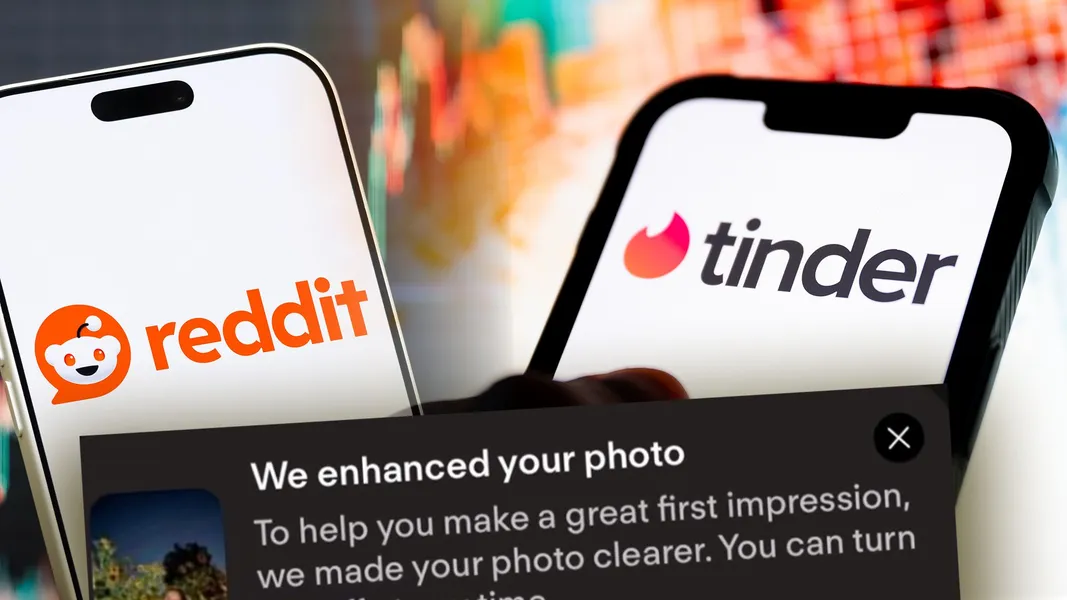
AI-generated images without consent are moving into dating profiles, product listings, and advertising workflows. Tinder suspended an experimental Photo Enhance feature after users reported that it changed profile photos without clear permission, while Amazon and Reddit users raised concerns about generated product and promotional imagery. For builders, the issue is bigger than image quality: a feature that changes what people see can also change what they believe.
Three platforms, one consent problem
Tinder's Photo Enhance feature reportedly made profile pictures clearer or brighter, but some users said it altered physical features. One complaint described the image as having "someone else's teeth." The feature appeared to apply edits before users could undo them, creating a particular risk on a dating app where profile images are part of a person's identity and expectations for an in-person meeting. Tinder suspended the feature after the complaints.
Reddit presents a different workflow. An advertiser reported that the platform generated alternative gameplay and promotional images during ad setup. The images were reportedly optional for the final campaign, but the advertiser questioned why their artwork was processed without clear consent and worried that an accidental confirmation could publish an unwanted variation.
Amazon's announced feature is aimed at search discovery. It can show AI-generated product imagery based on a user's query, helping them describe or visualize an item they may not know how to search for. Separately, some sellers reported that generated images appeared in listings without their approval. Those are different product behaviors, but both show why disclosure and control matter when synthetic visuals sit close to a real product.
Why AI builders should treat visuals as product data
The commercial incentive is easy to understand. Better profile photos may increase matches, generated ad variations may support testing, and search visualizations may help shoppers narrow a query. The problem is that engagement is not the same as informed use. A click on an attractive image can become a return, a poor review, or a loss of trust if the image does not represent the real person or product.
This is where platform accountability meets brand integrity. If an AI system changes user-owned creative or a seller's product representation, the platform is no longer merely providing a generation tool. It is participating in the presentation and distribution of that claim.
For teams building AI features, the safer default is opt-in for public-facing transformations. A useful consent workflow should explain what will be changed, identify whether the output is synthetic, show a preview before publication, preserve the original, and make rejection as easy as acceptance. For ad tools, generated assets should never be silently added to a campaign or treated as equivalent to creator-approved media.
Opt-in is slower, but the failure is visible
Opt-out design removes friction and can increase adoption. It also moves the cost of mistakes to users, sellers, and creators. Opt-in design introduces an extra confirmation step, but it gives the person who owns the identity, product, or artwork a meaningful decision.
The practical rule is simple: the more an image can affect identity, purchase expectations, or a brand promise, the less acceptable silent editing becomes. Builders should also log the source asset, transformation, approval state, and publication event so support teams can explain what happened.
The available evidence does not establish a uniform policy across Tinder, Amazon, or Reddit. It mainly documents complaints and reported behaviors around consent and misrepresentation, so builders should avoid assuming that one platform's controls apply to another. The decision point remains clear, though: if a synthetic visual reaches a public audience, consent and disclosure are core product requirements, not optional polish.
Sources
- From Tinder and Reddit to Amazon, unwanted AI images are freaking people out
- I Replaced Myself With AI For An Entire Year And Nobody... - YouTube
- IMGDetector - Detect AI-generated Images
- AI house party images are freaking people out | Flipboard
- reddit.com/r/Tinder/hot
- From Tinder and Reddit to Amazon, unwanted AI images are freaking people out
- People Are Falling In Love With AI Chatbots. What Could... - YouTube
- Tinder | Dating, Make Friends & Meet New People
- Tinder Users Can Now Use an AI ‘Wingman’
- From Tinder and Reddit to Amazon, unwanted AI images are freaking people out
- GPT Image 2 (ChatGPT Images 2.0): Free Online, No Sign-up
- cashify.in/10-tricks-to-make-your-phone-not-reachable-and-avoid...