Visa’s BioCatch Acquisition Turns Behavioral Biometrics Into a Fraud Infrastructure Bet
Published by AINave Editorial • Reviewed by Ramit
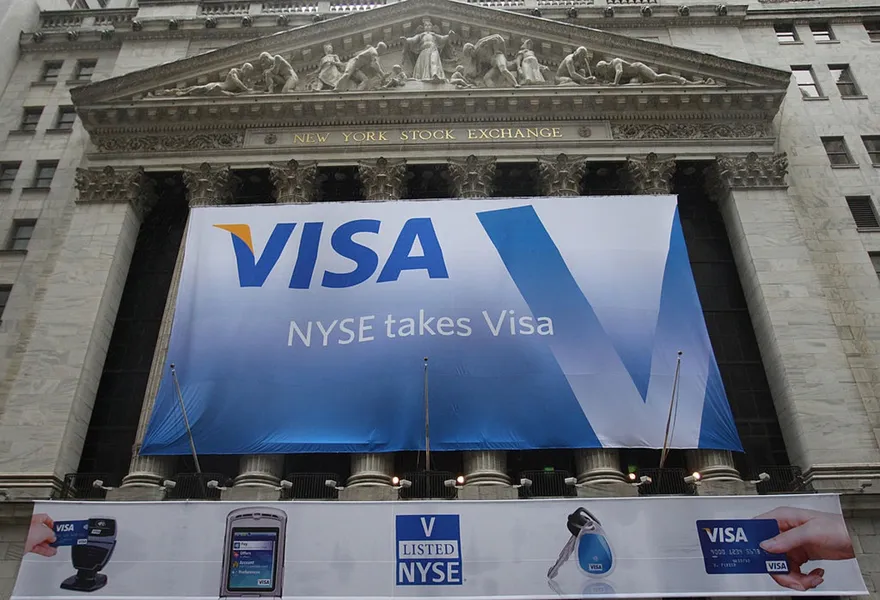
Visa has agreed to acquire BioCatch for $2.4 billion in cash, adding behavioral biometrics to the transaction-level fraud detection it already operates through Featurespace. The practical takeaway for AI builders is that fraud prevention is moving earlier in the workflow: systems increasingly need to understand how a user behaves during a session, not only whether the final payment looks suspicious.
Visa is adding a session layer to transaction scoring
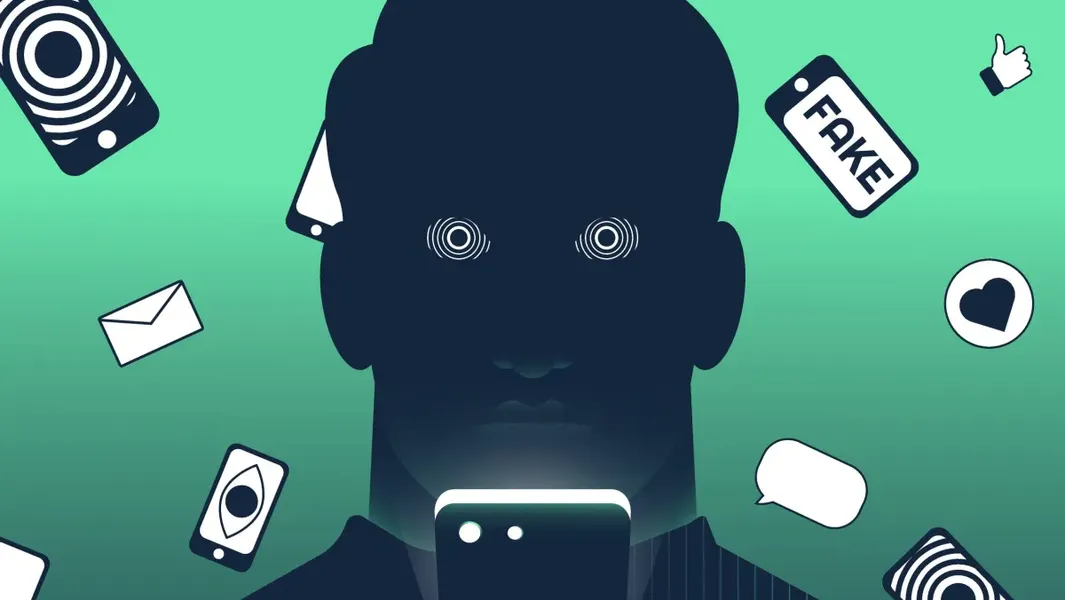
BioCatch analyzes more than 3,000 signals during a banking session, including typing cadence, swipe behavior, device handling, navigation patterns, and hesitation. Its software is embedded in bank apps and websites, where it can score behavior continuously rather than checking only credentials at login or a payment at the point of transfer. Visa describes the acquisition as a way to detect scams, account takeovers, and digital fraud before they happen.
That gives Visa two distinct detection points. BioCatch evaluates the session that leads to a payment, while Featurespace evaluates the transaction itself. A suspicious payment can trigger the second layer, but the first layer may identify risk even when the payment appears normal.
APP fraud is the clearest use case
Authorized push payment fraud is difficult for conventional systems because the victim, rather than the criminal, initiates the transfer. A scammer may coach someone over the phone or manipulate them through messages, leaving no obvious sign that the payment was unauthorized.
Behavioral biometrics can look for session patterns associated with that pressure, such as unusual pauses, back-and-forth navigation, or unfamiliar interaction rhythms. That does not make the model a mind reader, and it cannot prove that a transfer is fraudulent on its own. It gives a bank another signal before the money leaves. Coverage of the deal highlights behavioral analysis as a response to scams that transaction monitoring can miss.
BioCatch Trust could matter more than the acquisition itself
BioCatch Trust is an inter-bank network that shares behavioral intelligence about accounts, using pseudo-anonymized signals. When a customer sends money, the receiving account can be checked for patterns associated with money mule activity. That creates a cross-institution alert before funds move, rather than leaving each bank to see only its own fragment of the fraud operation.
The network currently operates in Australia and Argentina. Visa’s relationships with nearly 14,500 financial institutions across more than 200 countries and territories could provide a path to broader distribution, but that expansion is a possibility, not an outcome already delivered by the deal. The hard product problem is governance: banks must trust how signals are shared, interpreted, retained, and used in customer decisions.
For teams building AI agents, fintech workflows, or identity systems, the architectural lesson is direct. Risk scoring should be designed as a stream of contextual signals across the user journey, with transaction, device, session, and destination-account data joined where privacy and policy allow. The result still needs human review and clear escalation paths, especially when a model may incorrectly interpret accessibility needs, unfamiliar devices, or a stressed legitimate customer.
The deal is strategic, but not closed
Visa is expanding its value-added services around fraud management and security infrastructure. BioCatch’s reported operating scale and customer growth help explain the price, but those figures remain company-reported rather than an independent evaluation of detection quality. A larger distribution network may improve coverage, but it could also increase integration, privacy, false-positive, and regulatory complexity.
Regulatory approvals remain pending, with Visa expecting completion by the end of its fiscal second quarter of 2027. Until the transaction closes and Visa explains the integration model in more detail, builders should treat this as a signal about infrastructure direction rather than an immediately available global
Sources
- Visa Acquires BioCatch for $2.4 Billion, Betting Behavior Catches What Transactions Miss
- Visa to Acquire BioCatch - Visa - Investor Relations
- Visa to buy cybersecurity firm BioCatch for $2.4 billion amid surge in AI-powered scams
- Visa to acquire cybersecurity startup BioCatch for $2.4 billion to fight rising AI-powered fraud - Tech Startups
- Visa to acquire BioCatch for up to $2.4B in cash, doubling down on fraud prevention
- Visa acquires BioCatch for $2.4 billion, betting behavior catches what transactions miss
- Visa to buy cybersecurity firm BioCatch for $2.4 billion amid surge in AI-powered scams
- Visa is buying BioCatch for $2.4 billion because AI scams now cost the global economy $1 trillion a year
- Visa acquires BioCatch for $2.4B – President Andrew Torre says it will help clients stop fraud before it reaches the point of payment
- Visa Acquires BioCatch for $2.4 Billion to Fight AI-Powered ...
- Visa acquires BioCatch for $2.4 billion, betting behavior ...
- Visa Acquires BioCatch For $2.4B – President Andrew Torre ...
- Visa to buy AI-powered fraud intelligence company BioCatch in $2.4 billion deal
- Visa buys BioCatch for $2.4 billion to fight AI fraud