The Controversial Rise of Malus.sh: An AI Tool Redefining Software Copyright
Published by AINave Editorial • Reviewed by Ramit
The Context of Malus.sh
The emergence of Malus.sh, an AI-driven tool intended to recreate software without infringing on copyright, has raised significant concerns among developers and industry professionals. By employing a technique known as a 'clean room' design, the tool offers a way to produce functionally similar yet legally distinct versions of existing software. This strategy not only poses a threat to the integrity of copyright licenses but also fuels an ongoing debate within the open-source community.
How Does Malus.sh Work?
Malus.sh effectively 'liberates' software by generating new code that retains the functionality of the original but avoids direct copying of the source code. This approach mirrors the historical practices of companies like IBM, which used two separate teams to reverse-engineer BIOS specifications without direct exposure to the original code. According to Mike Nolan, a co-founder and researcher, while the tool was initially intended as a satire, it quickly became a viable product with real customers. “It works,” he stated, pointing to the tool’s potential to disrupt traditional licensing models.
What Are the Implications for Open Source?
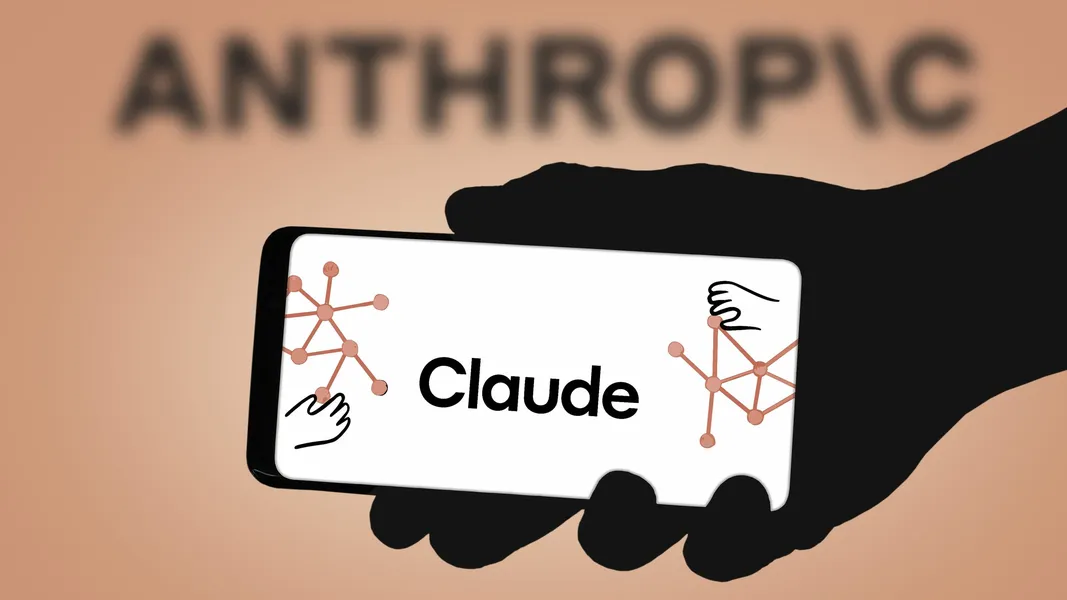
One of the most contentious topics surrounding Malus.sh is its impact on open-source software. Developers express alarm over the potential for uncredited 'clean room' copies to flood the market. For instance, a recent rewrite of the open-source Python library chardet, constructed using Anthropic's Claude Code, prompted discussions on whether such derivatives deserve recognition. Developer Dan Blanchard articulated the sentiment within the tech community, remarking, “A rewrite that would’ve taken a team of people months or years can be done in days with AI.” Such rapid developments highlight the precarious position of traditional software vendors who rely on licensing for revenue.
How Are Companies Responding?
The apprehensions triggered by Malus.sh have reverberated through the tech industry. As fears escalate regarding the viability of subscription-based software services, stocks for major players like Oracle have already taken a hit. The potential for competitors to deploy similar AI-generated solutions threatens established business models in the software industry, leading to heightened scrutiny of AI applications in development. Developers fear that the inability to protect intellectual property will lead to an erosion of trust in open-source projects, which thrive on collaboration and recognition.
What Lies Ahead?
As the dialogue around Malus.sh continues, industry experts wrestle with the future of software copyright. The movement towards AI-generated code, while capable of accelerating development timelines and reducing costs, also invites ethical dilemmas regarding credit and ownership. Ultimately, the fate of copyright in the AI landscape may hinge on the responses of both developers and corporations as they navigate these uncharted waters. With the technological evolution underway, the balance between innovation and intellectual property protection is at a precarious juncture that demands urgent attention.