Kimi Sparks Renewed Debate on Open vs. Proprietary AI and US-China Competition
Published by AINave Editorial • Reviewed by Ramit
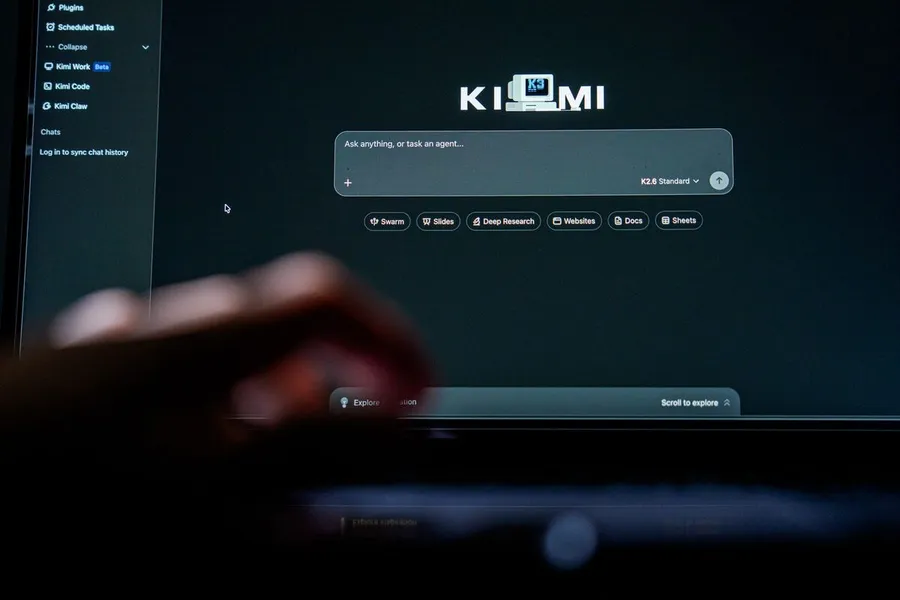
The launch of Moonshot AI's Kimi model has reignited the recurring Chinese AI panic, pitting open-weight models against proprietary frontier labs and raising questions about US competitiveness and regulatory strategy.
What happened
Moonshot AI released Kimi, its latest AI model, triggering a familiar cycle of panic and debate in Silicon Valley and Washington TechCrunch. The discussion mirrors previous freakouts over DeepSeek, where a Chinese model appeared competitive with frontier models at lower cost and with more openness. OpenAI and Anthropic have reportedly lobbied regulators over open Chinese models, highlighting policy tensions between openness and security TechCrunch.
Why AI builders should care
For AI builders, the outcome of this debate could directly affect model availability, deployment choices, and regulatory compliance. If restrictions on open Chinese models are enacted, enterprises may be pushed toward proprietary US models, limiting options for cost-effective open-weight alternatives. The panic also signals that policy uncertainty is becoming a factor in model selection and product strategy.
Practical implications
The discussion connects bias concerns, security risks, and guardrails with broader questions of national competitiveness. As TechCrunch's Kirsten Korosec noted, across-the-board bans on Chinese open-weight models would primarily benefit a handful of companies like OpenAI TechCrunch. Builders should monitor regulatory signals and consider how potential restrictions might affect their supply chain for models and infrastructure.
Caveats
This topic combines policy debate, market positioning, and speculative outcomes rather than settled facts. Evidence cited here relies on TechCrunch coverage and related analyses rather than official model specs or regulator decisions. The actual impact on AI product development remains uncertain.
FAQs
Sources
- Making sense of the panic over Chinese AI
- How Chinese make sense of the AI future
- The Recurring Panic Over Chinese AI: Fear, FUD, And The Fight For Competitive Advantage
- Model Panic: How Fear of Open-Source AI Is Ceding Ground to China - R Street Institute
- US Panic Is Missing the Point on Chinese AI - Bloomberg
- Making sense of the panic over Chinese AI
- Inside the White House debate over what to do about Chinese AI
- US panic is missing the point on Chinese AI
- Making sense of the panic over Chinese AI
- Corporate Japan's rare-earth warnings get louder as China keeps the spigot...
- TechCrunch analyzes the panic over Chinese AI... — SaveDelete
- Making sense of the panic over Chinese AI – NewMaxx’s SSD Page
- Behind the open-source fight, China has already found... - Global Times
- Splainer | DeepSeek drama: The great panic over Chinese AI
- Panic over capacity crunch in mature node chips drives orders to Chinese foundries