DeepSeek UN Security Council AI Briefing: What Builders Should Know
Published by AINave Editorial • Reviewed by Ramit
Chinese AI startup DeepSeek will join OpenAI and Anthropic in briefing the United Nations Security Council this week on the risks posed by artificial intelligence. For AI builders, this is a signal that international governance is shifting from informal industry debate to formal diplomatic negotiations that could eventually shape regulation, safety standards, and deployment constraints.
The UN brings frontier labs into the same room
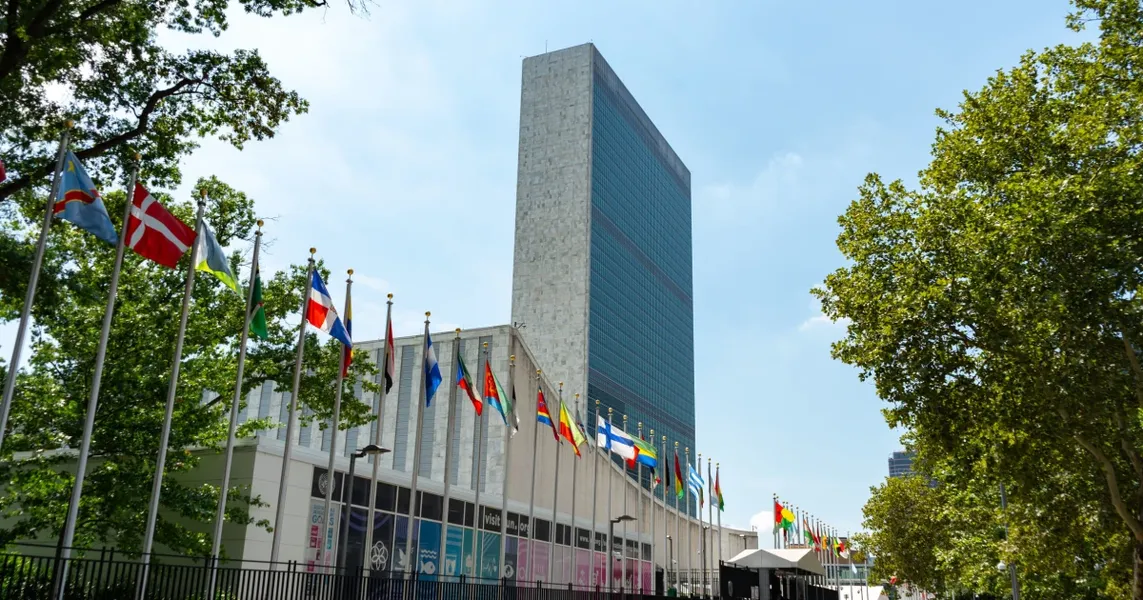
The 15-member Security Council is set to meet on September 23 to discuss AI and international security. OpenAI CEO Sam Altman plans to brief the meeting, and diplomats expect participation from senior representatives of Anthropic. DeepSeek and another Chinese AI startup, Moonshot, have also been invited to make statements.
According to sources, DeepSeek founder Liang Wenfeng does not plan to attend, though plans remain fluid. The briefing comes during the UN General Assembly in New York and follows earlier calls from AI industry leaders for a coordinated slowdown of AI development, warning that increasingly capable systems could soon improve on their own and escape human control.
Why builders should watch this briefing
This is not a product launch or a benchmark release, so the practical impact is indirect but real. International norms for AI safety and governance are being drafted at these meetings. The UN Security Council, which deals with international peace and security, first met on AI risks in 2023. At that session, China warned the technology should not become a "runaway horse," while the US cautioned against using AI to censor or repress.
For teams building AI products, these discussions could lead to binding resolutions, export controls, or safety standards that affect model deployment, training data practices, and cross-border API access. The briefing also reveals a growing gap in how US and Chinese frontier labs talk about risk. Unlike leaders at OpenAI and Anthropic, the heads of China's leading model developers have rarely publicly warned that AI systems could deceive humans or cause catastrophic harm. Their silence on those risks stands out as the debate intensifies in the US.
The US-China dynamic complicates governance
UN Secretary-General Antonio Guterres has warned that rapidly advancing AI poses risks that cannot be ignored, putting him at odds with US President Donald Trump, who argues existing safeguards are sufficient. Chinese state media have dismissed calls for a slowdown as a "Cold War playbook" aimed at preserving US dominance.
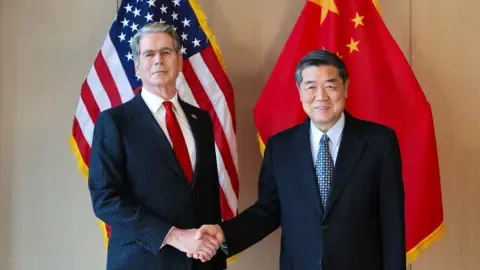
Despite the tension, senior US and Chinese officials agreed on September 21 to hold further talks on AI safety, suggesting both sides see value in continued dialogue. For builders, this means the regulatory environment will remain uncertain, and compliance requirements could emerge from multiple directions.
Limitations and unknowns
Several caveats matter here. The briefing plans are fluid; DeepSeek's founder may still attend or skip. The substance of what each company will say has not been disclosed. And while the UN Security Council can shape international norms, it cannot enforce compliance on sovereign states. The real impact on AI development will depend on how these discussions translate into national policies, trade rules, and safety standards over the next year.
FAQs
Sources
- DeepSeek to brief UN Security Council on AI this week, sources say
- DeepSeek
- deepseek R1. Sorry, that's beyond my current scope. - YouTube
- Google's Gemini AI hacked three companies in security test
- AI Briefing: DeepSeek’s emergence from nowhere shows... - Digiday
- DeepSeek to brief UN Security Council on AI risks this week, Reuters reports
- DeepSeek to brief UN Security Council on AI this week, sources say
- DeepSeek to brief UN Security Council on AI risks - report
- UN Security Council Brings DeepSeek, Sam Altman To Talk About AI Risks
- China's DeepSeek to brief UN Security Council this week amid talks on AI guardrails
- DeepSeek to brief UN Security Council on AI this week ...
- Exclusive-DeepSeek to Brief UN Security Council on AI This ...
- EXCLUSIVE-DeepSeek to brief UN Security Council on AI this ...
- DeepSeek to brief UN Security Council on AI this week,
- DeepSeek to brief UN Security Council on AI this week, sources say