Google's 2030 data center water strategy: What AI builders need to know
Published by AINave Editorial • Reviewed by Ramit
Google has announced a five-pronged strategy to reduce and better manage water use in its data centers by 2030, responding to growing concerns about the environmental impact of AI infrastructure. For AI builders and operators, this plan signals that water stewardship is becoming a prerequisite for scalable, community-accepted data center expansion.
What happened
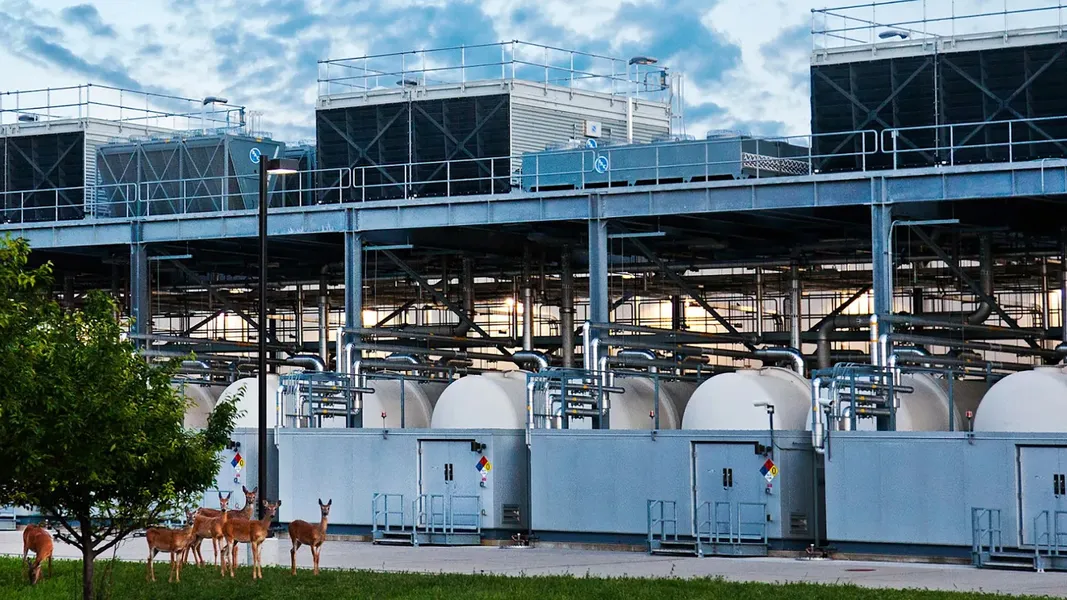
Google's plan includes five commitments. First, the company aims to return more water to local systems than its data centers consume by 2030, primarily through separate water efficiency and waste reduction projects. Second, Google will invest hundreds of millions of dollars into water infrastructure to support areas where data centers are located. Third, in water-scarce regions, Google says it will deploy air-cooled or recycled-water data centers, which use more electricity and cost more but require less water. Fourth, Google commits to increasing transparency around data-center water use, a practice that is not standard across the industry. Fifth, the company will pursue reclaimed wastewater and other alternative water resources.
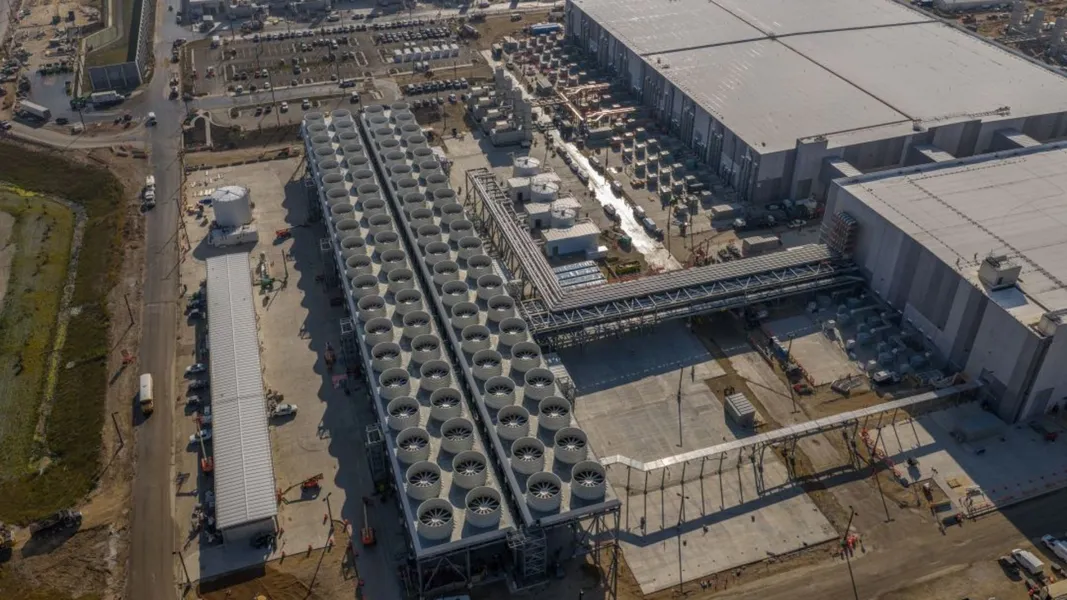
A 2021 study cited in the announcement put direct data center water usage in the US at 1.7 billion liters per day, less than 1% of national consumption. However, the largest data centers can use as much water as a town of 50,000 people, creating significant local impacts in water-stressed areas.
Why AI builders should care
For teams building AI products, data center water usage is not an abstract environmental issue. It directly affects where and how fast new compute capacity can come online. Communities pushing back on data center water consumption can delay or block new facilities, which in turn affects GPU availability, pricing, and latency for inference workloads.
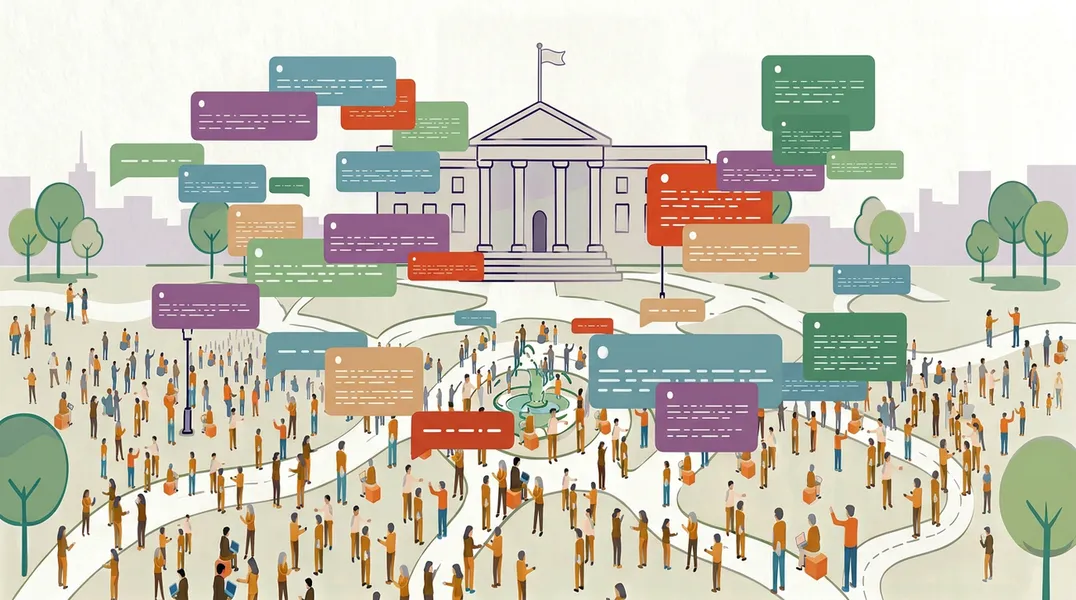
Google's plan is explicitly designed as a blueprint that communities can reference when evaluating any new data center project. As Google's Ben Townsend told The Verge, communities can ask prospective builders: "Here are five different things that really put the community and the watershed first... are you doing these?" This means water stewardship practices could become a de facto requirement for any large-scale AI infrastructure deployment.
Practical implications
For AI operators and infrastructure planners, the key takeaway is that air-cooled and recycled-water data centers will become more common in water-scarce regions. These designs trade higher electricity costs and capital expenditure for lower water consumption. Builders should factor this into cost models when choosing regions for training or inference workloads.
The transparency commitment is also notable. If Google publishes detailed water usage data for individual data centers, it will give builders better data for evaluating the total environmental cost of different compute regions. This could influence decisions about where to deploy latency-sensitive or batch workloads.
Caveats
The plan is a set of commitments, not a completed program. The details of how Google will measure "returning more water than consumed" are not fully specified. The air-cooled and recycled-water solutions are described as more expensive and energy-intensive, which could affect pricing for cloud services in water-stressed regions. The plan does not address indirect water usage from electricity generation, which can be significant. And the 2030 timeline means near-term impacts on AI infrastructure availability are limited.
For AI builders, the most immediate effect may be on community acceptance of new data centers. If Google's blueprint becomes an industry standard, operators who cannot match these five commitments may face longer approval timelines and higher community resistance.
FAQs
Sources
- 'How we build is just as important as what we build' — Google reveals how it's going to solve the AI data center water problem by 2030
- Exposing The Dark Side of America's AI Data Center... - YouTube
- Data centers use massive energy and water. Here’s how to build...
- Solving India’s water crisis through tech: Why it’s time for a digital...