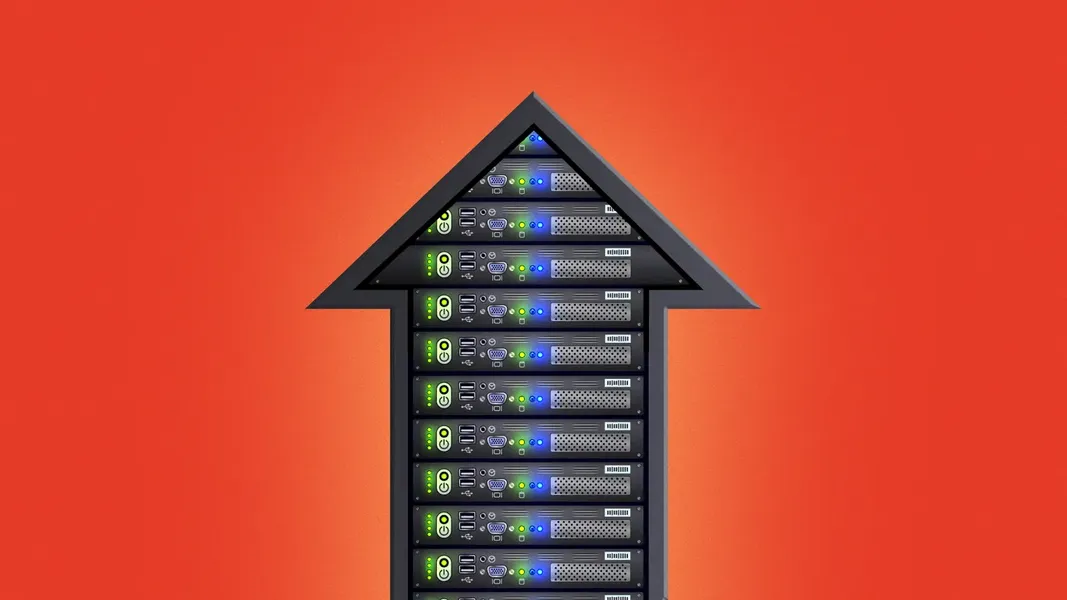
Off-grid AI data centers face reliability, cost, and regulatory hurdles
Published by AINave Editorial • Reviewed by Ramit
The push to build AI data centers powered by onsite generation rather than grid connections is hitting real-world resistance. Recent reporting highlights reliability concerns, local community backlash, and regulatory scrutiny that challenge the off-grid model's promise of rapid AI infrastructure expansion.
What happened
OpenAI and partners Oracle and Crusoe are pursuing off-grid data centers powered mainly by onsite generation to accelerate AI development, bypassing the years-long wait for grid connections. These efforts include work on OpenAI's Stargate campuses. However, recent hiccups are exposing the challenges of this approach.
Local residents near one site reported burning lungs and 60-decibel level noise, prompting a supervisor to call for new laws to regulate generators. Critics argue that off-grid data centers could prove slower and more costly to deploy, less reliable to run, and more expensive than expanding the electric grid. Investors also lack clear insight into the reliability of these facilities, according to reporting.
Why AI builders should care
For teams building AI products and infrastructure, the off-grid model's viability directly affects deployment timelines, capital costs, and site selection. If high-profile projects stumble, it could shift the industry toward more grid-powered expansion, altering the availability and pricing of compute capacity.
The regulatory and community concerns around onsite generators could also change project feasibility. New regulations on generators, driven by noise and emissions complaints, could increase operating costs and limit where off-grid data centers can be built.
Practical implications
If grid-powered expansion proves more reliable and cost-effective, builders may favor grid-connected data centers or hybrid designs over fully off-grid deployments. This could mean longer lead times for new capacity but potentially lower operational risk.
Investors and operators will need greater visibility into performance metrics of off-grid centers to justify capital expenditure. Without transparent reliability data, funding for off-grid projects may become harder to secure.
Caveats
Public reporting on off-grid feasibility is based on limited data. Results may vary significantly by location, climate, and energy sourcing. Local regulatory environments and grid reliability events, such as the recent power line failure that caused 3.1 gigawatts of load to vanish in 30 seconds, could influence the comparative value of off-grid versus grid-powered deployments. The off-grid model is not yet proven at scale, and its long-term viability remains uncertain.
FAQs
Sources
- Cracks appear in the vision of off-grid AI data centers
- Exposing The Dark Side of America's AI Data Center... - YouTube
- GitHub - off-grid-ai/OGAM: The Swiss Army Knife of Offline AI. Chat...
- One fallen power line exposed a growing AI data center... | TechCrunch
- AI Digital Data Centers, Future of AI infrastructure | AI Grid Works
- The Importance of Combining Dedicated Natural Gas Generation and...
- Off-grid data centers aren't the panacea that some AI firms hoped
- Off Grid AI
- OpenAI Project Camellia Brings $20B AI Hub to Georgia
- OpenAI says China launched influence campaign to shape... - POLITICO