Tech Layoffs Shift to Voluntary Buyouts as Companies Optimize for AI
Published by AINave Editorial • Reviewed by Ramit
The tech industry is undergoing a significant transformation as over 90,000 employees face layoffs this year, amidst a financial landscape heavily influenced by artificial intelligence (AI) initiatives. In a bid to streamline operations, major players like Microsoft are opting for voluntary buyouts instead of traditional layoffs, reflecting a noticeable trend towards strategic workforce optimization.
The Shift to Voluntary Buyouts
Microsoft recently announced its first-ever voluntary separation program aimed at approximately 8,500 U.S. employees, specifically targeting those whose combined years of service and age total 70 or more. This marks a distinct departure from previous years, where Microsoft was known for its more brutal layoffs, having cut 15,000 jobs last year alone. According to Domenique Camacho Moran, an employment law expert, voluntary buyouts can help employers maintain their workplace integrity by offering a more compassionate alternative to layoffs.
Moran explains, "The voluntary exit option allows employers to convey that decisions are not reflective of job performance, but rather a strategic need to reduce numbers. This approach can foster goodwill and loyalty among remaining staff." Microsoft’s buyouts come as part of a broader trend within the tech industry as companies adjust to the economic pressures exacerbated by the increasing costs associated with AI investment.
Financial Pressures and Future Investments
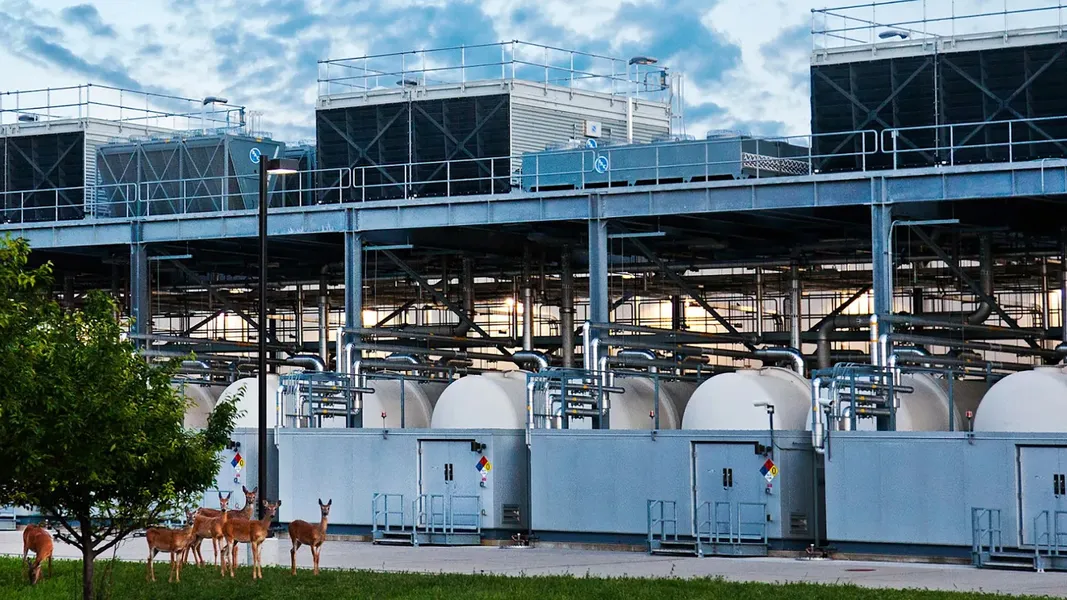
Projected capital expenditures in the sector further underscore this shift. Microsoft expects to invest a staggering $145 billion in capital this fiscal year alone. Furthermore, industry analysts foresee a total of $700 billion in capital expenditures flowing into AI development and infrastructure by 2026. This financial commitment signals a clear urgency for tech companies to become more efficient and lean in their operations, as they simultaneously navigate the challenges posed by an evolving workforce demographic.
Hyper-efficiency appears to be the new mantra as tech giants recalibrate their human capital strategies towards a more sustainable growth model that accounts for the booming AI sector. Microsoft, for example, is said to be looking at staffing levels closely, ensuring that the team members retained are those most aligned with future objectives.
Employee Perspectives: Choices and Opportunities
The buyout offers can be attractive to various groups of employees. Those considering retirement, underperformers worried about potential layoffs, and individuals optimistic about securing new positions might find these voluntary exits appealing. Microsoft's Chief People Officer, Amy Coleman, articulated this sentiment, stating that the program aims to provide employees with the opportunity to transition on their terms, supported by the company. The anticipation and clarification of buyout details are set for May 7.
Conversely, Google has previously employed similar tactics when offering buyouts, stating openly that such programs could provide a path for underperforming employees to exit gracefully. Google Senior Vice President Nick Fox emphasized in a communication to staff that he hopes the right employees choose to stay and contribute to the company's ambitious goals. This candid approach illustrates a common sentiment among tech firms navigating this workforce evolution.
It becomes evident that the current wave of layoffs, paired with the strategic use of voluntary buyouts, reflects a critical juncture for tech workforce dynamics. As businesses prepare for the expansive changes brought forth by AI, they must strike a balance between necessary cost reductions and preserving a motivated, capable workforce ready to drive future successes.