Overland AI lands Marine Corps contract for autonomous ground vehicles, first to hold prime contractor role under APFIT
Published by AINave Editorial • Reviewed by Ramit
Seattle-based Overland AI has secured a U.S. Marine Corps contract valued at approximately $19.7 million to produce autonomous ground vehicles, marking a milestone for defense-tech startups building self-driving military vehicles. The deal positions Overland as the first ground autonomy company to serve as the prime contractor on a military production contract under the Pentagon's APFIT program. Initial deliveries of more than a dozen units are expected in early 2027.
What happened
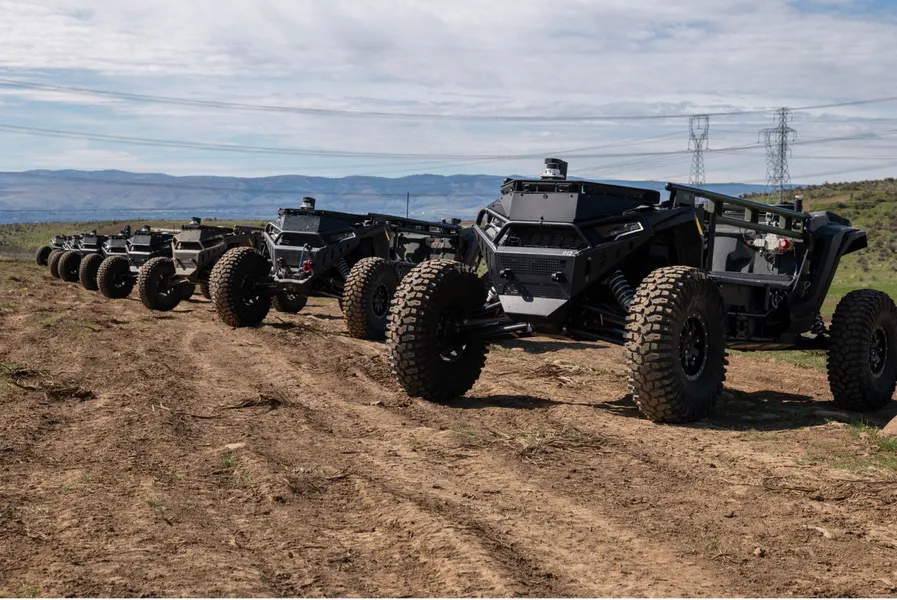
Overland AI landed the contract through the Pentagon's APFIT program, which stands for Accelerate the Procurement and Fielding of Innovative Technologies. The program fast-tracks funding to move promising technology from prototypes into production. The nearly $20 million agreement calls for Overland to deliver more than a dozen autonomous ground vehicles along with the software that runs them, according to the Department of War.
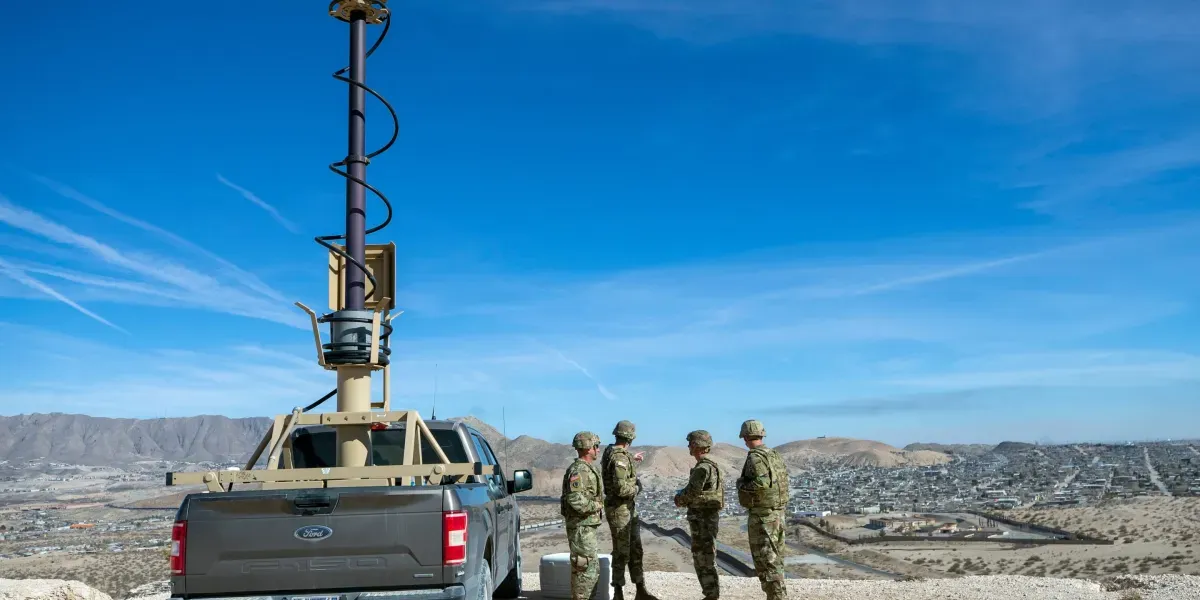
The vehicles will work with a Marine Corps system that shoots down enemy drones. Overland's vehicles will initially handle resupply for those crews rather than replace any existing vehicles, co-founder and CEO Byron Boots said in a media briefing.
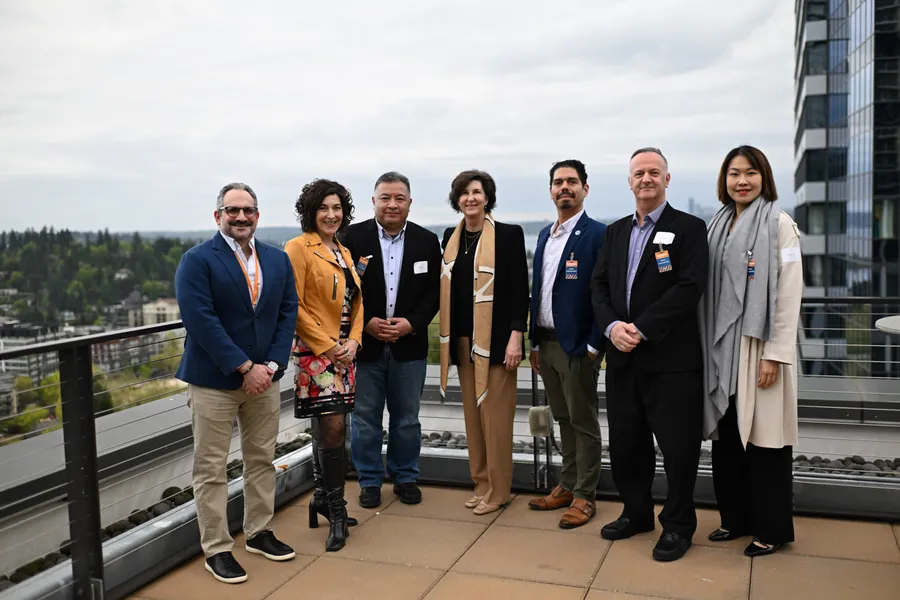
Boots is a University of Washington machine-learning professor who leads the school's Robot Learning Laboratory. He co-founded Overland in 2022 with Stephanie Bonk, the company's president, spinning it out of the UW. The company's technology is designed to let military vehicles drive themselves across rough, off-road terrain in places where GPS isn't available.
Why AI builders should care
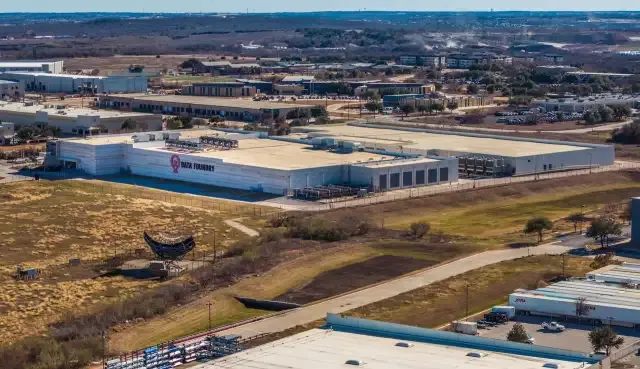
This contract illustrates a pathway for AI and robotics startups to move from prototypes to scale production under government programs. Overland has grown to more than 100 employees and raised over $140 million in venture funding, including a $100 million round in February led by 8VC. It opened a 22,000-square-foot production facility in Seattle last year.
The deal also highlights different procurement structures in defense autonomy. Rival Forterra won a larger, $92 million Marine Corps production deal earlier in June, but as the autonomy supplier under prime contractor Oshkosh Defense rather than holding the contract itself. That distinction matters for startups evaluating whether to pursue prime contractor status or partner with larger defense primes.
Boots pointed to the war in Ukraine as evidence of a growing role for uncrewed vehicles, saying the company is registering extremely high demand from U.S. operational units who want to incorporate this technology into their concepts of operation.
Practical implications
For teams building autonomous systems for rugged environments, Overland's progress offers several takeaways. The company has been working for years with the Army, Marine Corps and Special Operations Command, and completed a multiyear DARPA autonomy program. The new contract builds on recent work integrating its self-driving technology into Marine Corps vehicles.
The core applications are resupply and integration with counter-drone systems. Overland's technology is designed for off-road terrain where GPS isn't available, which matters for military operations in contested environments. The company's production facility in Seattle and its growing team suggest the manufacturing side of defense autonomy is scaling.
Caveats
Details in the source are based on article descriptions and press briefings. Full contract documentation may reveal additional constraints or caveats not publicly disclosed. The competitive landscape includes Forterra's larger contract under Oshkosh Defense, which reflects different procurement roles. Broader operational and deployment outcomes depend on policy, budget cycles, and field-testing results not fully captured in the available reporting.
FAQs
What is Overland AI's role in the Marine Corps autonomous vehicle program?
Overland AI is the prime contractor for the Marine Corps autonomous ground vehicles under the recent contract. This arrangement contrasts with rivals that supply autonomy technology under a different prime contractor structure, such as Forterra's role as an autonomy supplier under Oshkosh Defense.
What is the APFIT program and how does it relate to this contract?
APFIT stands for Accelerate the Procurement and Fielding of Innovative Technologies. The program fast-tracks funding to move promising technology from prototypes into production, enabling production-scale deployments like this contract for Overland AI.
When are the first autonomous ground vehicles expected to be delivered?
Initial deliveries are expected in early 2027, based on the contract announcement and statements in the coverage.
What makes Overland AI's self-driving military vehicles different from competitors?
Overland emphasizes being the prime contractor in a ground autonomy production contract under APFIT. Competitors like Forterra operate as the autonomy supplier under a different prime contractor (Oshkosh Defense), highlighting structural differences in defense procurement.
Sources
Latest Tech News