Texas grid swamped by AI data center power requests 5x peak demand
Published by AINave Editorial • Reviewed by Ramit
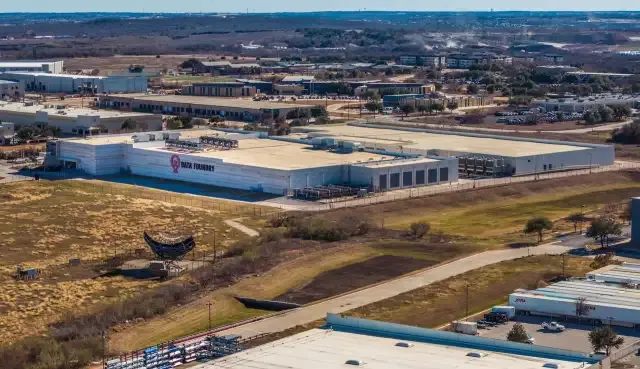
Texas has become a prime location for AI data centers due to low land costs, fiber access, and a business-friendly climate. But the scale of new power requests is testing the state's grid, water supply, and regulatory framework in ways that directly affect builders planning infrastructure investments.
What happened
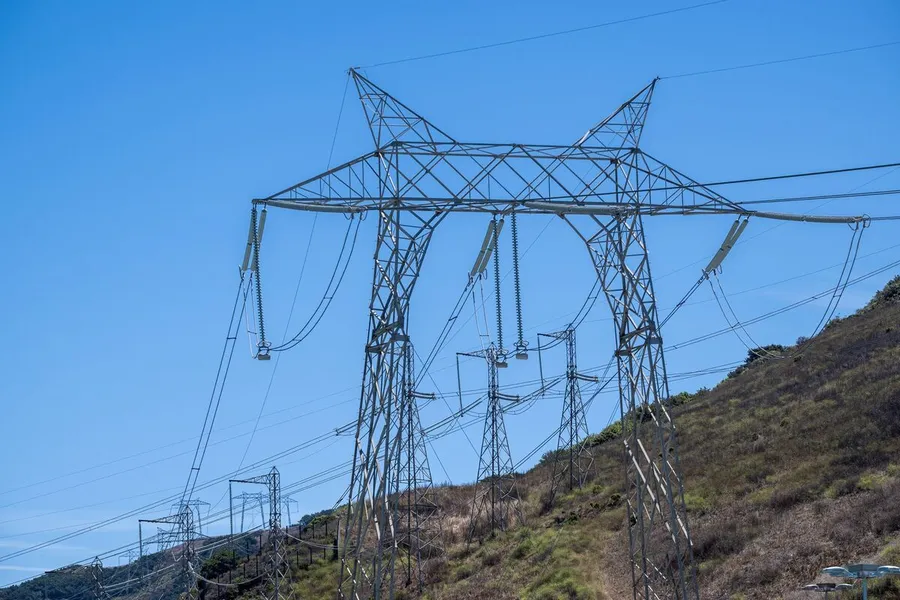
Texas has at least 248 planned data center projects on top of 335 existing facilities, according to an analysis by the Texas Tribune. In May, ERCOT reported that about 89% of the demand tied to major proposed projects came from data centers. Combined, those projects could require up to 439 gigawatts of capacity, roughly five times the Texas grid's all-time peak demand.
The surge is concentrated in rural, unincorporated counties where local governments have limited authority to block or shape development. One developer in Hood County alone proposed three data centers with electricity needs comparable to powering 3 million homes.
Why AI builders should care
For anyone building AI products that depend on inference or training infrastructure, the Texas situation signals rising costs and longer timelines for capacity. Regulators are now actively considering tighter planning and disclosure rules ahead of the 2027 legislative session.
Governor Greg Abbott has shifted his stance from promoting Texas as an AI "epicenter" to calling for regulation. He told utilities in June that regular customers should not absorb infrastructure costs for data centers and pushed to end data center sales tax exemptions that cost the state over $1 billion annually. If those exemptions disappear, the economics of colocation and build-to-suit data center deals in Texas will shift.
Practical implications
Builders evaluating Texas for AI workloads should account for three emerging constraints:
- Grid interconnection delays. ERCOT is tightening how it vets large-load requests. Projects that fail voltage and reliability tests risk being deprioritized. The grid operator is also moving to a batch process for interconnection requests, which could lengthen timelines.
- Water access risk. AI data centers rely heavily on water-based cooling. A white paper from the University of Texas at Austin, cited by the Texas Tribune, projects that data centers could consume 3% to 9% of Texas' total water use by 2040, up from under 1% today. That puts data center projects in direct competition with agricultural and municipal water users, especially in drought-prone regions.
- Local pushback and bans. San Marcos enacted a citywide ban on data centers. College Station rejected a land sale for an AI data center after resident opposition. Other counties have paused approvals or adopted resolutions seeking more state oversight. Builders should evaluate not just grid capacity but community acceptance before committing to sites.
Caveats
The 439 GW figure represents interconnection requests, not approved or constructed capacity. A significant portion of that pipeline will likely never be built. The 2027 legislative session could reshape the regulatory environment, but the specific rules remain uncertain. NERC has warned that grid operators lack sufficient processes to manage the power swings from AI workloads, which could lead to further operational constraints beyond Texas.
| Factor | Current Status | Risk to Builders |
|---|---|---|
| Grid interconnection capacity | 439 GW requested vs 85.5 GW peak demand | High: delays and new batch vetting processes |
| Water availability | Projected 3-9% of state use by 2040 | Medium: local moratoriums and competitive bidding |
| Tax incentives | Governor calls to end exemptions | Medium: higher colocation costs |
| Local approval | Bans in San Marcos, rejections in College Station | High: site selection narrowing |
Builders should watch ERCOT rule changes and water planning updates closely, as these will determine whether Texas remains a viable large-scale AI infrastructure market.
FAQs
How much electricity could Texas AI data centers require?
ERCOT reports that proposed data center projects could require up to 439 gigawatts of capacity. That is roughly five times Texas's all-time peak demand of 85,508 MW. These figures represent interconnection requests, not approved or built capacity.
How is Texas planning to regulate AI data centers and associated costs?
Governor Abbott has called for shifting infrastructure costs away from residential customers and ending data center sales tax exemptions. Regulators are considering tighter planning and disclosure rules ahead of the 2027 legislative session.
What water usage concerns are linked to Texas data centers?
A University of Texas at Austin white paper projects that data centers could consume 3% to 9% of Texas' total water use by 2040, up from under 1% today. The water is primarily used for cooling systems in AI server farms.
Are there bans or restrictions on data centers in Texas cities?
Yes. San Marcos enacted a citywide ban on data centers. College Station rejected a land sale for an AI data center after heavy resident opposition. Some counties have paused approvals or adopted resolutions seeking more state oversight.
Sources
- Texas grid is swamped by data center power requests 5x its all-time peak demand
- Data Centers × Grid Strain × Water: The Triple Collision Reshaping...
- Exposing The Dark Side of America's AI Data Center... - YouTube
- AI is poised to drive 160% increase in data center power demand
- AI meets the grid: Shaping the data center power play
- Texas grid flags risks as data centers, crypto sites fail voltage tests
- ERCOT warns Texas grid could hit record peak demand this summer
- As data centers seek to tap Texas’ energy, grid regulators are close to approving a new way of vetting requests
- Exclusive: Hundreds of large data centers want to join the Texas grid. ERCOT data shows top hot spots
- Texas summer heat, data centers could push power demand to a new record. Will the grid hold up?
- Texas Regulators Approve ERCOT Batch Process for AI Data Center...
- NERC Issues Alert on Data Centers Threatening Grid Stability
- Texas off-grid power build soars as data centers bridge grid delays
- Texas advances major grid rules for data centers
- Texas looks to tighten rules for data centers as they line up to connect to ERCOT grid
Latest Tech News