Texas governor calls for ban on AI data centers in rural communities, signaling a clash over siting and local costs
Published by AINave Editorial • Reviewed by Ramit
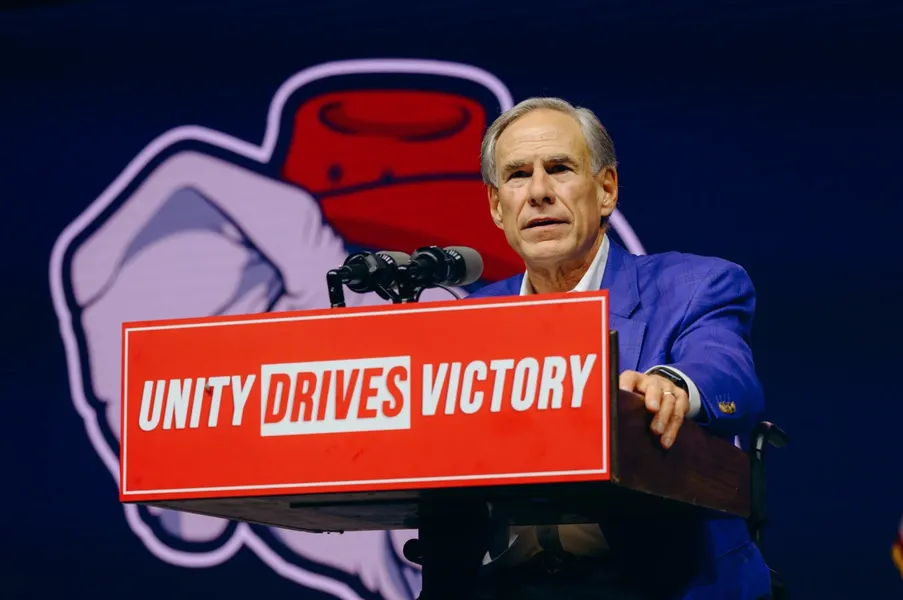
Texas Governor Greg Abbott has called for a ban on new AI data centers in rural Texas neighborhoods, escalating a regulatory push that could reshape where and how AI infrastructure gets built in the state. The proposal, announced during a campaign stop in East Texas, goes beyond an earlier regulatory framework and signals growing political tension between AI industry expansion and local community concerns.
What happened
Abbott said at a Bullard event that the state "must prohibit them from building AI data centers in rural Texas neighborhoods," framing the issue as part of fighting for East Texas values. The call appears to extend beyond a sweeping regulatory framework he unveiled earlier in June, which required data centers to add new power generation, pay for their own infrastructure, reuse their own water, and implement setbacks.
Abbott also instructed the Public Utility Commission to guarantee that data center development does not raise costs for Texans and to minimize adverse impacts on local communities. His campaign spokesperson said the governor's comments track with his June 10th letter and that he will work with lawmakers to ensure communities are not adversely impacted.
Why AI builders should care
Texas has been a major destination for AI data center investment. Abbott previously called the state "the epicenter of AI development" when announcing Google's $40 billion investment in cloud and AI infrastructure in Texas. But the governor's stance has shifted amid backlash from rural communities.
A Texas Tribune analysis found that nearly half of planned data centers in the state are set to be built in unincorporated areas not governed by cities or towns, up from 12% currently. Public polling from the University of Texas/Texas Politics Project shows nearly two-thirds of rural residents oppose construction of the facilities in their community.
The Data Center Coalition, a trade group, has argued that data centers provide critical digital infrastructure, bring property tax benefits, and help the U.S. compete in AI against foreign adversaries. The group has also pointed to technological advancements that reduce the facilities' water needs.
Practical implications
The ban proposal creates uncertainty for AI builders and infrastructure developers planning projects in rural Texas. Several counties have considered moratoriums. Hill County was the first, but leaders reversed course after a $100 million lawsuit by a data center developer. Cities with zoning power are passing new regulations, and San Marcos became the first city to outright ban data centers. A Texas lawmaker has already said he plans to challenge that ban.
The political dynamics are complex. The majority of planned facilities are in state House districts that voted for President Donald Trump and elected a Republican state representative in 2024, creating a political conundrum for top GOP leadership.
For AI builders, the key takeaway is that Texas data center siting is becoming a local control battle. Projects in unincorporated rural areas face the most uncertainty. Developers should expect stricter requirements around power generation, water reuse, and infrastructure funding, and should monitor the 2027 Texas legislative session for potential new laws.
Caveats
This is a campaign statement and proposed regulatory action, not an enacted law. No legislation has been passed. The ban proposal would require legislative action, and the 2027 session is the earliest opportunity. The Data Center Coalition and industry groups are likely to push back. Abbott has received over $2 million from people and companies linked to the tech and AI industries since last year, which may influence the final policy outcome.
FAQs
Why is Gov. Abbott proposing a ban on data centers in rural Texas?
Abbott called for prohibiting AI data centers in rural Texas neighborhoods, citing concerns about costs to residents and local burdens. The proposal follows backlash from rural communities over water use, air quality, and potential electricity rate hikes. Abbott said the issue "dovetails right into fighting for East Texas values" during a campaign stop in Bullard. Source
How could a rural data center ban affect electricity pricing and local communities in Texas?
Abbott instructed the Public Utility Commission to ensure data center development does not raise costs for Texans and to minimize adverse impacts on local communities. Opponents argue data centers threaten to hike power bills and put water availability and air quality at risk. The Data Center Coalition counters that technological advancements are reducing water needs. Source
What is the role of the Public Utility Commission in regulating data centers in Texas?
Abbott directed the Public Utility Commission to guarantee that data center development does not come at the cost of Texans and to consider how to minimize adverse impacts on local communities. The PUC's role in implementing these directives will be key to any future regulatory framework. Source
Which cities or regions in Texas have faced opposition to data centers?
San Marcos became the first Texas city to outright ban data centers. Several rural counties have considered moratoriums, with Hill County being the first before reversing course after a $100 million lawsuit. A Texas Tribune analysis found nearly half of planned data centers are in unincorporated areas not governed by cities or towns. Source
Sources
- Gov. Greg Abbott calls for ban on data center development in rural Texas neighborhoods
- Greg Abbott - Wikipedia
- Gov. Greg Abbott calls for ban on data center development in...
- Gov. Greg Abbott demands a moratorium on the development of...
- Texas’ Data Center Boom Is Creating a New Political Problem
- Texas Gov. Greg Abbott Calls for Sweeping Legislative Action on...
- Gov. Greg Abbott calls for ban on data center development in rural Texas...
- Greg Abbott calls for ban on new data centers in rural Texas communities
- Abbott calls for ban on data center development in rural Texas
- Greg Abbott calls for a ban on data center construction in rural Texas
- Gov. Greg Abbott calls for ban on data center development in rural Texas...
- Gov. Abbott called for blocking new data center development in rural ...
- Gov. Greg Abbott calls for ban on data center development in rural Texas ...
- Abbott calls for ban on data center development in rural Texas
- Gov. Greg Abbott calls for ban on data center development in rural Texas ...
- Greg Abbott calls for prohibition on data center construction in rural Texas