Gulf AI startup 1001 lands $30M to apply AI to aviation, ports, and energy infra
Published by AINave Editorial • Reviewed by Ramit
Dubai- and London-based AI startup 1001 has raised $30 million to apply artificial intelligence to the Gulf's aviation, ports, and energy infrastructure. The round was led by US venture firm Lux Capital with participation from 9Yards, Hanabi, and Saudi sovereign wealth fund unit Sanabil. For AI builders, this signals a growing market for applied AI in critical infrastructure, where the region is prioritizing practical solutions over frontier model development.
What happened
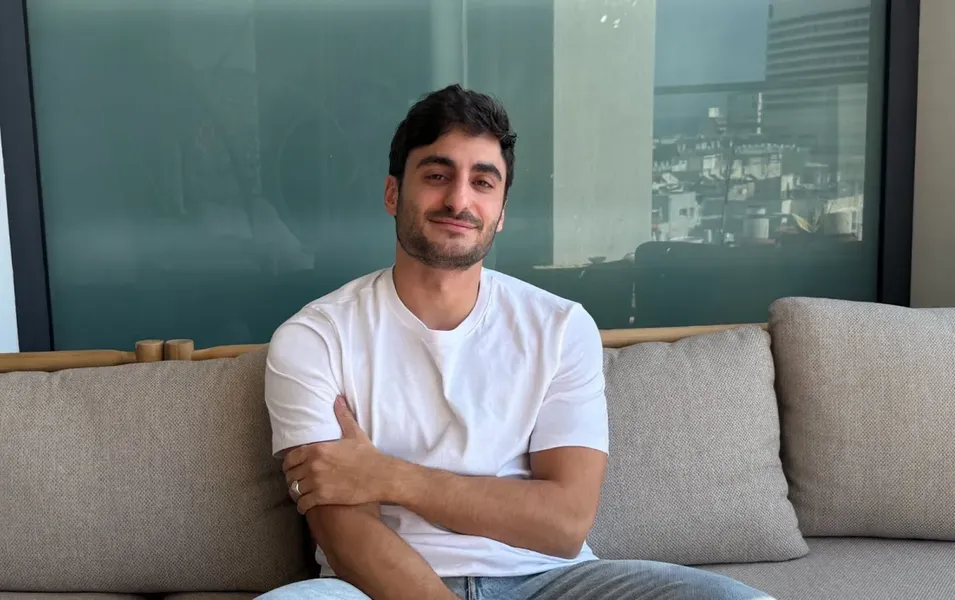
1001, founded by Bilal Abu-Ghazaleh who left ScaleAI last year, raised $30 million in a funding round led by Lux Capital with participation from 9Yards, Hanabi, and Sanabil. The company previously raised $9 million in a seed round in October. Abu-Ghazaleh declined to disclose the current valuation.
The startup plans to work with Gulf airlines, port operators, and shipping companies by temporarily embedding engineers in their offices to fix operational problems and develop new AI-enabled products. Abu-Ghazaleh told Semafor that governments across the region are pushing businesses to adopt AI, creating an opening for startups focused on practical applications.
Abu-Ghazaleh said the Iran war had "zero impact" on fundraising discussions. He noted that the conflict has driven more firms to look for ways to use AI to build new supply chains and lower costs as the region diversifies away from reliance on the Strait of Hormuz.
Why AI builders should care
The Gulf is investing aggressively in AI as a way to diversify economies and position itself as a data-processing hub. But as Abu-Ghazaleh put it, "The Middle East is not necessarily going to compete in terms of frontier models, but in terms of applied AI, it's a bit of a green space." This creates a clear opportunity for builders who can deliver AI solutions that solve real operational problems in aviation, logistics, and energy.
1001's approach of embedding engineers directly with operators is a practical model for understanding domain-specific pain points. For AI product teams, this signals that deep integration with existing workflows, rather than generic AI tools, is what Gulf infrastructure companies need.
Practical implications
1001 aims to develop AI products for Gulf critical infrastructure companies and then sell them to international customers. The CEO said expansion beyond the Gulf could begin within the next 12 months. For builders, this means the solutions developed for Gulf operators may have global applicability, especially in supply chain optimization and operational efficiency.
The funding also shows that sovereign-backed entities like Sanabil are actively funding applied AI startups, not just large language model infrastructure. This could open doors for other startups targeting similar verticals.
Caveats
1001 did not disclose its valuation after the latest fundraise, making it hard to assess the company's stage relative to peers. The startup is still early-stage, having raised only $9 million in seed round before this Series A. The success of its embedded engineer model depends on whether Gulf operators are willing to integrate external teams into sensitive operations. While the founder said geopolitical tensions had no impact on fundraising, the broader regional context could affect customer adoption timelines.
FAQs
What is 1001 AI and where is it based?
1001 is a Dubai- and London-based AI startup focused on applying artificial intelligence to Gulf infrastructure like aviation, ports, and energy systems. It was founded by Bilal Abu-Ghazaleh, who previously worked at ScaleAI.
Who led the $30 million funding round for 1001 AI?
The round was led by Lux Capital with participation from 9Yards, Hanabi, and Sanabil, a unit of Saudi sovereign wealth fund.
What industries will 1001 AI target in the Gulf?
1001 plans to target aviation, ports, and energy infrastructure in the Gulf, working with airlines, port operators, and shipping companies by embedding engineers to develop AI-enabled products.
How will 1001 AI reduce costs and diversify supply chains in Gulf infrastructure?
The founder indicated AI would help fix operational problems and create AI-enabled products to lower costs and diversify supply chains as Gulf economies reduce reliance on the Strait of Hormuz.