AI testing startup Arato raises seed funding to validate AI before production
Published by AINave Editorial • Reviewed by Ramit
Arato Software Ltd., an Israeli startup founded in 2024, has raised $10 million in seed funding for its AI testing and assurance platform that simulates user interactions to validate AI applications before and after production deployment. For AI builders and operators, the platform addresses a growing need: catching unpredictable failures, security gaps, and compliance issues before they reach end users.
What happened
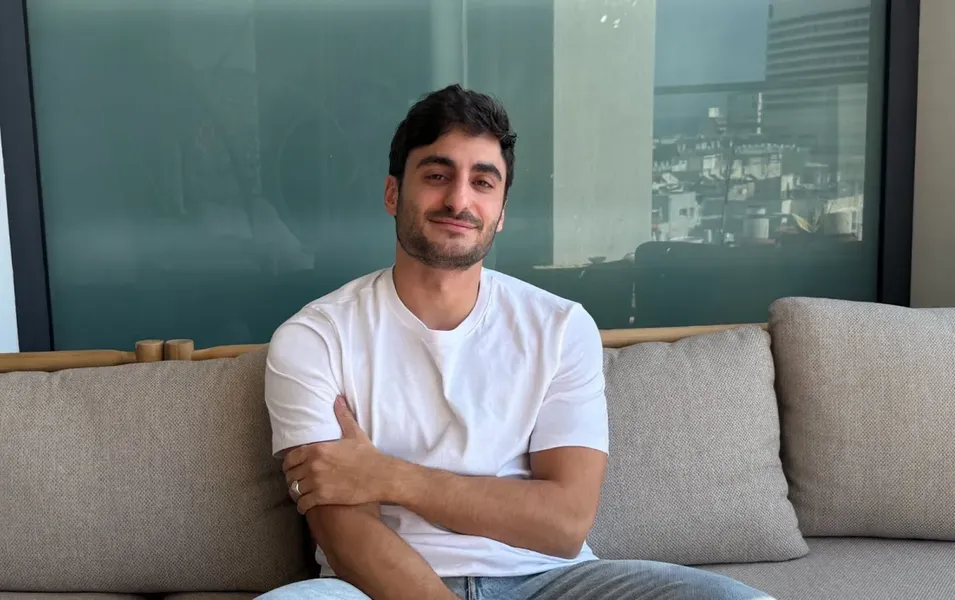
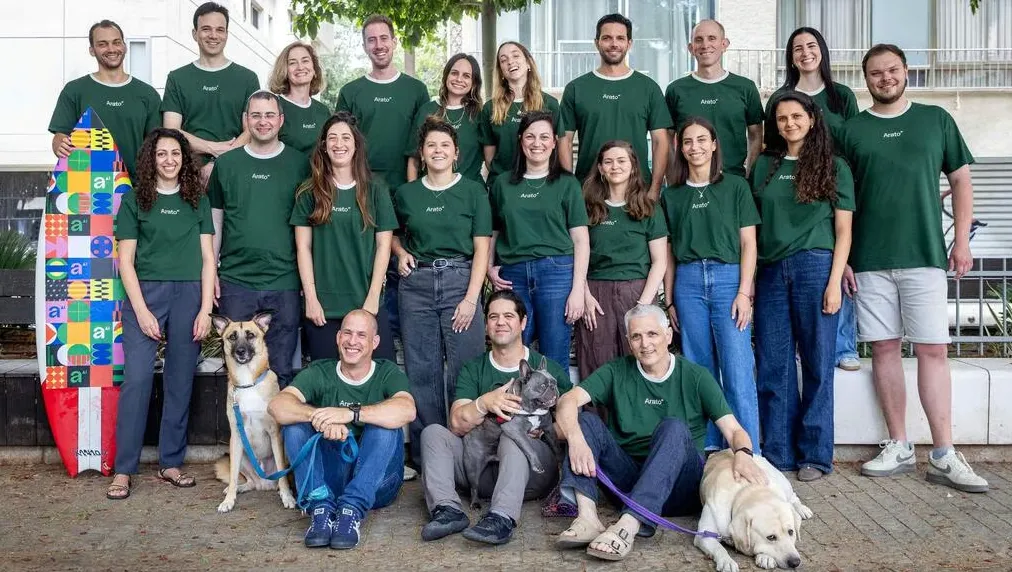
The seed round was led by TLV Partners with participation from Jibe Ventures. Notable individual investors include Raghu Raghuram, former VMware CEO and current Andreessen Horowitz partner, and Marianna Tessel, former Intuit CTO. Arato was co-founded by Shahar Erez (CEO), Hilik Paz (CTO), and Tal Salmona (VP of R&D). Paz previously co-founded Stoke Talent, which was acquired by Fiverr for $95 million.
Arato's platform enables developers to simulate thousands of scenarios using text, image, voice, and business data to identify recurring issues, risks, and areas for improvement. The tool works both before deployment and continuously in production, providing an ongoing validation layer for security and regulatory compliance.
One customer case study cited in the coverage: a global industrial firm used Arato to validate an AI assistant for field technicians. It reduced validation time from three months to days, cut manual effort by about 80%, and projects around $5 million in savings over three years.
Why AI builders should care
Traditional software testing approaches don't translate well to AI systems, which can generate a much wider range of unpredictable responses based on user input. Arato's approach highlights the need for scalable, pre-release and production validation to reduce deployment risk and compliance issues.
TLV Partners Managing Partner Eitan Bek noted that most businesses are deploying AI systems into business-critical workflows with little idea of how they will behave in production. Arato aims to give product, engineering, and business teams the evidence they need to determine production readiness.
Practical implications
For teams building AI products, Arato's model suggests incorporating multi-modal scenario testing (text, image, voice, data) as a standard part of development and deployment workflows. An ongoing validation layer can help organizations understand how AI applications perform in the wild and where improvements are needed, potentially reducing regulatory and security risks.
Caveats
Evidence for this article is drawn from a single primary article and related press coverage. Details about Arato's platform capabilities, pricing, and roadmap may evolve as the company releases more information. The case study numbers come from a single customer deployment and may not be representative of all use cases.
FAQs
What is Arato and what does its AI testing platform do?
Arato offers an AI testing and assurance platform that simulates user interactions to identify failures, risks, and compliance gaps in AI products before and after deployment.
How does Arato simulate user interactions to test AI systems?
The platform allows simulation of thousands of scenarios using text, image, voice, and business data to surface recurring issues and risks.
Why is production-ready validation important for AI deployments?
AI systems can produce unpredictable responses, so validation helps ensure security, regulatory compliance, and reliable performance in production.
Which investors backed Arato's seed round and what does that signify?
Backers include TLV Partners, Jibe Ventures, and notable figures such as Raghu Raghuram and Marianna Tessel, signaling interest from experienced tech and AI veterans in validation tooling.
Sources
- Software testing startup Arato gets $10M to stop businesses deploying AI systems blind - SiliconANGLE
- Arato Raises $10M Seed - thesaasnews.com
- Israeli startup Arato raises $10M to test AI before it fails
- Arato Raises $10M Seed for Multi-Modal AI Testing Platform
- Arato - AI Startup Profile | AI Market Watch
- Software testing startup Arato gets $10M to try and stop businesses ...
- AI software development startup 8090 nabs $135M funding round
- SiliconANGLE (@SiliconANGLE) / Posts / X - Twitter
- What is a data platform? - SiliconANGLE
- Typing Test – Blind typing
- Patronus AI grabs $50M in funding to stress-test AI... - SiliconANGLE
- AI system resorts to blackmail if told it will be removed
- What you feed AI matters more than how you ask