Ford CEO warns of 'huge crisis' in US from AI and skilled trades shortage
Published by AINave Editorial • Reviewed by Ramit
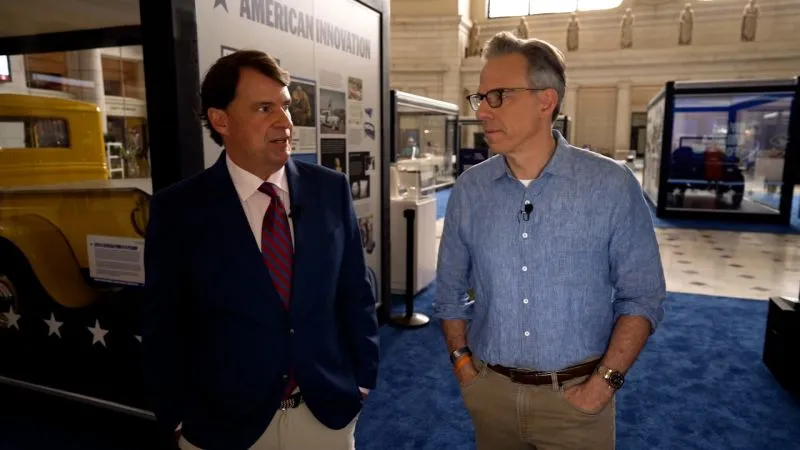
Ford CEO Jim Farley warned of a "huge crisis" in the US driven by AI and a shortage of skilled trade workers during an appearance on CNN's The Lead with Jake Tapper. The warning comes as Ford and other manufacturers face a growing gap between the demand for experienced blue-collar labor and the available workforce, a gap that AI adoption may widen rather than close.
What happened
Farley appeared on CNN to discuss the intersection of AI and the US skilled trades shortage. He described the situation as a "huge crisis" for the country. The interview is part of a broader pattern: Ford has recently rehired over 350 veteran engineers, known internally as "gray beards," after its aggressive AI automation strategy created problems that required human expertise to fix. According to TechCrunch, Ford is using these rehired employees to train younger staff and reprogram AI tools. The Independent reports that the automaker admitted to rehiring hundreds of human workers after its AI adoption backfired.
Why AI builders should care
For teams building AI tools for manufacturing, logistics, or industrial automation, the blue-collar labor shortage is a critical constraint. Farley has previously stated that AI could replace half of white-collar jobs while massively increasing demand for skilled trades like electricians, mechanics, and data center technicians, according to Fortune. If the workforce cannot supply these roles, the ROI of automation projects may be limited by the inability to maintain and operate the physical infrastructure. The AI and skilled labor gap directly affects the feasibility of deploying AI in production environments.
Practical implications
AI builders should consider that deploying AI in manufacturing environments requires a parallel investment in training pipelines and apprenticeship programs. The shortage of skilled trades may also drive up costs for repairs and maintenance, affecting total cost of ownership for AI-enabled equipment. Companies may need to design AI systems that are more robust to human error or that can be operated by less experienced workers. Farley's comments suggest that workforce planning must account for the scarcity of experienced tradespeople, especially as AI data centers and automated factories increase demand.
Caveats
The CNN interview excerpt provides limited detail on specific numbers, timelines, or policy proposals. The "huge crisis" framing is Farley's perspective and may not reflect broader economic data. Additionally, the rehiring of gray beard engineers is a separate but related story; the direct causal link between AI and the skilled trades shortage is asserted by Farley but not quantified in the available clip. The source coverage is based on a single interview and related amplifications; details may be limited.
Sources
- Ford CEO warns of ‘huge crisis’ in US because of AI, lack of workers for skilled trade jobs
- Ford CEO warns of ‘huge crisis’ in US because of AI, lack of...
- ‘Bigger than AI job loss’: Anand Mahindra warns of... - BusinessToday
- Anand Mahindra Highlights Skilled Worker Shortage Amid AI Concerns
- Ford rehires ‘gray beard’ engineers after AI falls short | TechCrunch
- Ford hired AI and sacked humans. It backfired badly | The Independent
- Ford CEO warns of ‘huge crisis’ in US because of AI, lack of workers for skilled trade jobs
- ‘The most vulnerable we’ve ever been’ — Ford CEO warns America's blue-collar worker shortage could hit your wallet next
- Ford CEO on his ‘epiphany’ after talking to his Gen Z factory workers: They were...
- Ford CEO Jim Farley: Blue-collar labor shortages ...
- Ford CEO Jim Farley: AI taking away jobs? But, Ford CEO says America is in trouble as 5,000 mechanic jobs at $120,000 go unfilled - The Economic Times
- Ford CEO warns there’s a dearth of blue-collar workers able to construct AI data centers and operate factories: ‘Nothing to backfill the ambition’
- Ford Scrambled to Rehire Engineers After Sabotaging Itself With AI
- Ford CEO warns of ‘huge crisis’ in US because of AI, lack of workers for skilled trade jobs
- Ford CEO warns of ‘huge crisis’ in US because of AI, lack of...