NYC bans generative AI in K-8 public schools for one year
Published by AINave Editorial • Reviewed by Ramit
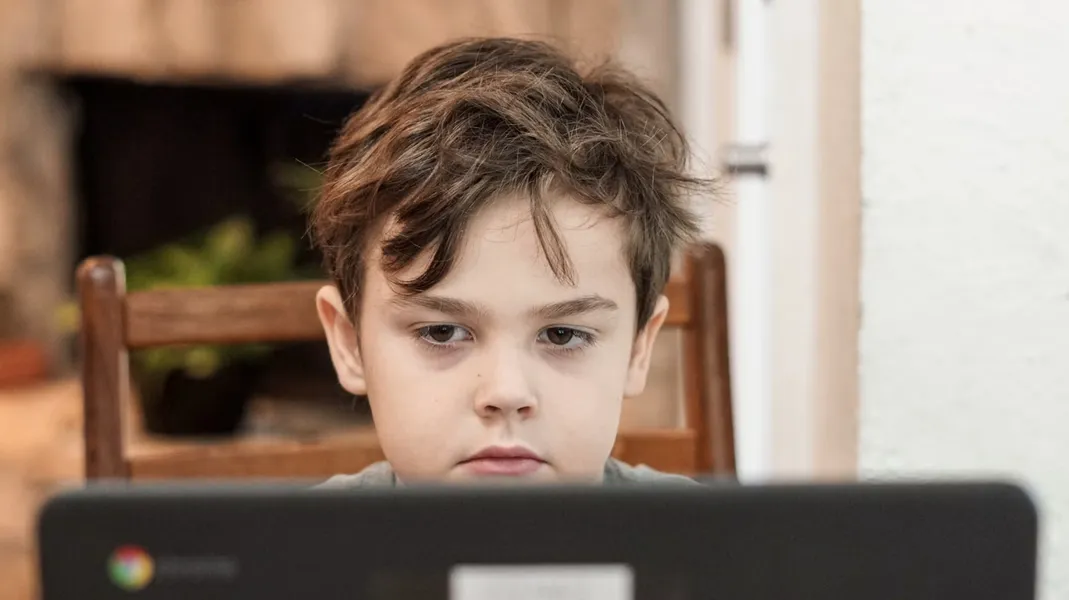
New York City's public school system announced a one-year moratorium on student-facing generative AI tools for students in 2-K through 8th grade, affecting about 600,000 students. The policy, which takes effect for the 2026-2027 school year, is the most restrictive AI-in-schools measure in the US to date. For AI builders working on edtech tools, this signals increased regulatory attention on how AI is deployed in classrooms.
What the ban covers and what it doesn't
The moratorium blocks all student-facing generative AI tools for students up to eighth grade. Companion chatbots that offer emotional or mental support are banned across all grade levels. The city will halt about 40 educational tools currently in use.
High schools are exempt from the blanket ban. About 5% of high school students will participate in five limited AI pilot programs under educator supervision. All high school students will receive twice-yearly AI critical thinking modules covering bias, risks, and ethical considerations.
Teachers can still use AI for operational tasks like lesson planning, translation, and communication, but not for grading or counseling students. Exceptions exist for assistive technology, multilingual learners, and students in career readiness programs including computer science.
High school pilots and AI literacy requirements
The five pilot programs target specific skills: Quill supports close reading and text analysis in English classes; Edia assists math lessons; Brisk Teaching enables teacher-created activities across subjects. Each of these tools is limited to 10-20 minutes per week. Playlab teaches students to examine AI outputs for bias and reasoning, while Intel AI-Ready Schools guides semester-long projects where students identify community problems and develop AI solutions.
The twice-yearly AI literacy modules for all high school students run 45 minutes each and cover what AI is and is not, as well as bias, risks, ethical considerations, and impacts on careers and future skills.
Why this matters for AI builders
For edtech startups and AI vendors building for schools, this policy sets a precedent. The moratorium includes a formal evaluation process: a coalition of educators, parents, elected officials, and experts will study the technology's impact on children during the year and recommend next steps. That means the pause is temporary but the criteria for future approval will be shaped by this study.
The policy also arrives amid broader state action. New York recently passed a landmark AI safety bill requiring leading AI companies to develop and adhere to formal safety protocols, and became the first state to issue a moratorium on data centers. Governor Kathy Hochul has been vocal about regulating AI chatbots for minors, telling The Verge that "it went out of control and now the government has to perform a function to protect our residents."
AI companies spent $41.8 million on federal lobbying in the first half of 2026 alone, and Congress is considering an age-verification bill for AI chatbots. The NYC ban may accelerate similar policies in other large districts.
Caveats and what comes next
The policy includes screen time guidelines: 30 minutes daily for many elementary students and 45 minutes for middle schoolers, though these are guidelines that households can override. Students in preschool through second grade will no longer be able to use individual devices at all.
Exceptions for assistive technology, English learners, and career readiness programs mean the ban is not absolute. But the core message is clear: the nation's largest school district is hitting pause on student-facing AI while it studies the effects. The coalition's findings will determine whether the moratorium becomes a permanent framework or a temporary caution.
FAQs
Sources
- NYC bans the use of generative AI tools in public schools for students through eighth grade
- New York City Bans AI From Elementary Schools
- Mamdani imposes one-year ban on AI for most New York students
- New York City Bans AI From Elementary Schools
- Mayor Mamdani and Chancellor Samuels Put... - NYC Mayor's Office
- NYC, the nation's largest school system, bans AI for students...
- New York City bans AI use for students through 8th grade
- New York City Schools Ban Student Use Of Generative Ai Through...
- NYC, the nation’s largest school system, bans AI for students through 8th grade
- NYC public schools to ban generative AI for elementary, middle school students in September
- NYC to ban AI in preschool to 8th grade this year, but AI skeptics fear ‘exemptions’
- NYC Bans AI for Public Elementary, Middle Schools for 2026-2027
- Mamdani's AI ban may not be enough to protect NYC students
- NYC mayor moves to block generative AI in classrooms for young...
- NYC Schools Hits Pause on AI, Draws Clear Line on Student Use
- NYC public schools to ban generative AI for students in elementary and middle school
- NYC’s new school AI ban explained: What’s changing? What’s still murky?
- Mamdani Cracks Down on AI in Schools: Map of Districts Taking Similar Steps