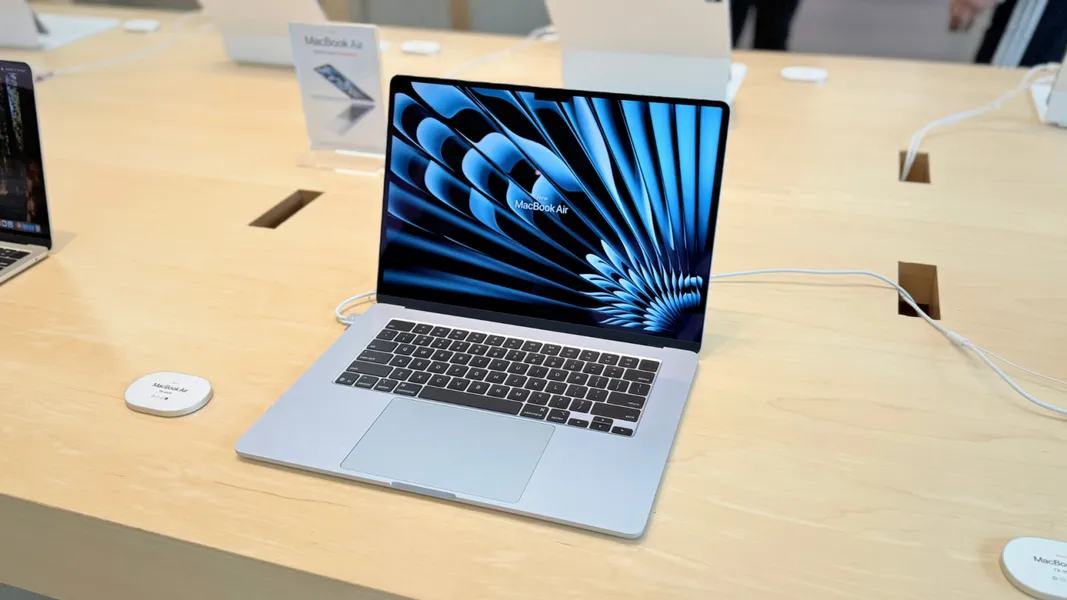
MacBook Air Memory Shortage Shows How AI Demand Is Raising Hardware Costs
Published by AINave Editorial • Reviewed by Ramit
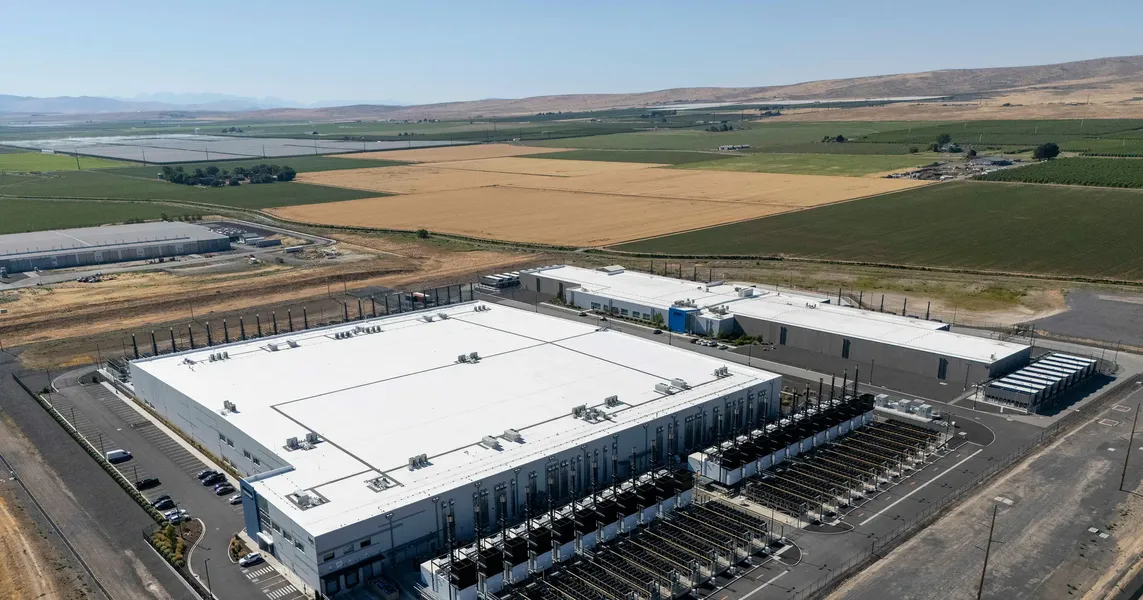
The MacBook Air memory shortage is reportedly limiting availability of Apple's M5 laptop even after two price increases. The immediate cause appears to be a broader AI-driven memory crisis: datacenter demand for high-end HBM2 DRAM is pulling capacity toward AI infrastructure, while consumer DRAM, DDR5, and SSD components have become more expensive. For AI builders, this is a reminder that model infrastructure demand can affect the laptops and workstations used to build products. The reported supply constraint and pricing changes remain based on industry reporting rather than a detailed Apple statement.
Why the M5 MacBook Air is constrained
Apple reportedly raised the MacBook Air's price from $999 to $1,099 in March, alongside the M5 launch, then increased it again to $1,299 in June. The base storage also rose from 256GB to 512GB, which offsets part of the increase for buyers who would have selected more storage anyway. Even with that adjustment, Apple orders were reportedly pushed toward the end of the month.
The situation is more than a simple demand spike. Reporting attributed to Mark Gurman says Apple is also prioritizing the entry-level 14-inch MacBook Pro ahead of an expected M6 refresh later this fall. Apple is reportedly exploring Chinese memory suppliers for products sold in China, but the available evidence does not establish how broadly that sourcing will be used.
The supply chain lesson for AI builders
The memory shortage impact on consumer devices is a useful planning signal for founders and product teams. AI datacenter expansion does not only affect cloud GPU prices. It can also increase competition for memory and storage components across laptops, servers, developer machines, and edge hardware.
That creates practical risks for teams buying equipment in volume. A procurement plan based on one laptop model, one region, or one expected price can fail when stock becomes unpredictable. Teams should keep compatible alternatives, buy critical equipment earlier when possible, and separate hardware availability assumptions from software roadmap assumptions.
The same applies to pricing. Rising DRAM DDR5 memory costs and SSD pricing can pressure manufacturers to alter configurations, raise prices, or prioritize higher-margin product lines. For an AI company selling a hardware-linked workflow, this makes margin modeling and regional availability more important than a single supplier quote.
What remains uncertain
There is no confirmed normalization date for MacBook Air stock. The reports describe current constraints and possible future price pressure, but they do not quantify component inventories, supplier capacity, or the duration of the global memory shortage in 2026.
The sourcing story also needs care. A regional supplier change could affect availability, compliance, warranty handling, or service operations, but the supplied reporting does not provide enough detail to assess those consequences. Builders should treat the story as a procurement warning, not as proof that every consumer device will face the same disruption.
For teams deciding whether to buy now, the decision rule is straightforward: if a MacBook Air is needed for a time-sensitive build or deployment, verify stock across Apple and authorized retailers rather than assuming the listed price or delivery estimate will hold. If the purchase is flexible, monitor inventory and preserve an approved alternative. The bigger issue is not one delayed laptop. It is the growing exposure of ordinary hardware planning to AI infrastructure demand.
Sources
- MacBook Air reportedly facing major supply shortages due to AI-driven memory crisis
- Apple slides after chip shortages fuelled by high... | The Straits Times
- M5 Max MacBook Pro’s SSD Temperatures Get Uncontrollably Hot...
- NEW M3 MacBook Air - DON'T BE FOOLED! - YouTube
- Apple slides after supply shortages hurt its sales forecast
- Apple hikes MacBook, iPad prices by as much as $300 due to memory chip shortage – here are the products getting hit
- Why the AI Boom Is Making Everything More Expensive
- The global memory shortage hits the MacBook Air | TechCrunch
- Apple's M5 MacBook Air faces severe supply crunch amid memory ...
- MacBook Air Back-Ordered Until Late August Amid Memory Shortage
- Apple’s M5 MacBook Air Vanishes From Shelves as AI Memory ...
- Apple raises prices as AI-driven memory chip costs surge: Why MacBooks and iPads are getting more expensive
- Marked-up Mac minis flood eBay amid shortages driven by AI
- Apple seeks US approval to buy Chinese DRAM
- MacBook Air Supply Shortage Hits Global Retailers in 2026