How New York's RAISE Act Is Shaping State AI Regulation Nationwide
Published by AINave Editorial • Reviewed by Ramit
New York Assemblymember Alex Bores lost a House primary in June after an $8 million pro-tech campaign against him, but his AI safety bill is spreading to states nationwide. The RAISE Act, which imposes safety and transparency rules on top AI developers, is being cited by lawmakers from Illinois to Maryland as a model for their own legislation. For anyone building AI products, this means state-level compliance requirements are becoming more concrete, and the template is likely to expand.
One Primary Loss Didn't Stop the RAISE Act's Influence
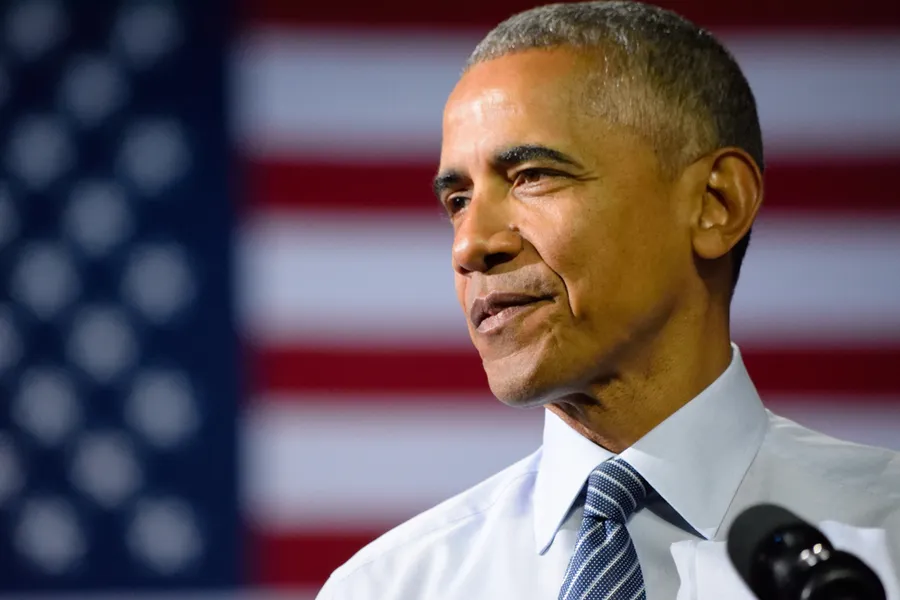
Bores authored the RAISE Act, signed by New York Gov. Kathy Hochul late last year. The law requires leading AI developers to meet safety and transparency standards. Despite Bores losing the June 2026 primary to fellow Assemblymember Micah Lasher after an $8 million spending spree by the tech-backed super PAC Leading the Future, his policy influence has only grown. At the National Conference of State Legislatures summit in Chicago, lawmakers from Vermont, Maryland, California, and Utah sought his guidance. OpenAI has signaled alignment with safety rules, and its lobbyists are urging states to align with RAISE. Notably, Anthropic-backed Public First Action spent $12 million in support of Bores, reflecting a split within the AI industry over regulatory stringency.
What the RAISE Act Means for AI Builders
State-level regulation is filling a vacuum left by stalled federal action. The RAISE Act provides a concrete template for safety and transparency requirements that developers should expect to see replicated. If you are shipping AI products or operating frontier models, you will likely face compliance obligations similar to those spelled out in RAISE, not just in New York but in Illinois and potentially Maryland as well. OpenAI's willingness to align with state rules suggests the industry may accept certain guardrails, but a patchwork of state laws could create complexity for teams operating nationally.
Practical Implications for Developers and Founders
Beyond compliance, the RAISE Act's enforcement funding mechanism is catching interest. Maryland state Sen. Katie Fry Hester noted she is examining fees on large AI developers to fund enforcement, similar to RAISE. That could mean direct costs for builders, especially those with high training or deployment volumes. Additionally, Bores's coalition-building approach -- combining safety advocates, researchers, and technologists -- offers a playbook for engaging with state policymakers. For now, the most practical step is to review the RAISE Act's transparency and safety provisions and assess how they would apply if your state adopted similar rules.
What's Still Uncertain
The reporting centers on political strategy and policy proposals; concrete implementation details beyond the RAISE Act itself are limited. It's unclear how well Bores's approach translates to red states or different political contexts. The actual impact of campaign spending on policy outcomes is debated and based on interviews rather than controlled data. Builders should watch for actual enforcement actions and fee structures rather than treating the current momentum as settled policy.
FAQs
Sources
- The AI industry won a primary fight. Now its target is inspiring lawmakers nationwide.
- The Entire AI Industry Just Turned Against Anthropic - YouTube
- Top AI Companies in 2026: Visionaries Driving the AI... | eWeek
- Fact Check Team: Lawmakers nationwide question pros and cons of...
- AI tried to bury this politician — now people have... | The Tech Buzz
- How a New York race became the first front in the AI industry's ... - Yahoo
- AI Super PACs Are Unleashing Millions to Tilt Primaries in Their Favor
- $150 Million AI Lobbying War Fuels The Fight Over Preemption
- Inside the next phase of OpenAI's political strategy - POLITICO
- The AI industry won a primary fight. Now its target is inspiring lawmakers nationwide.
- DOJ targets Google’s AI strategy in landmark antitrust battle
- The Future of AI: How AI Is Changing the World | Built In