Greece is becoming a Frontier AI hub, but skills matter more than technology
Published by AINave Editorial • Reviewed by Ramit
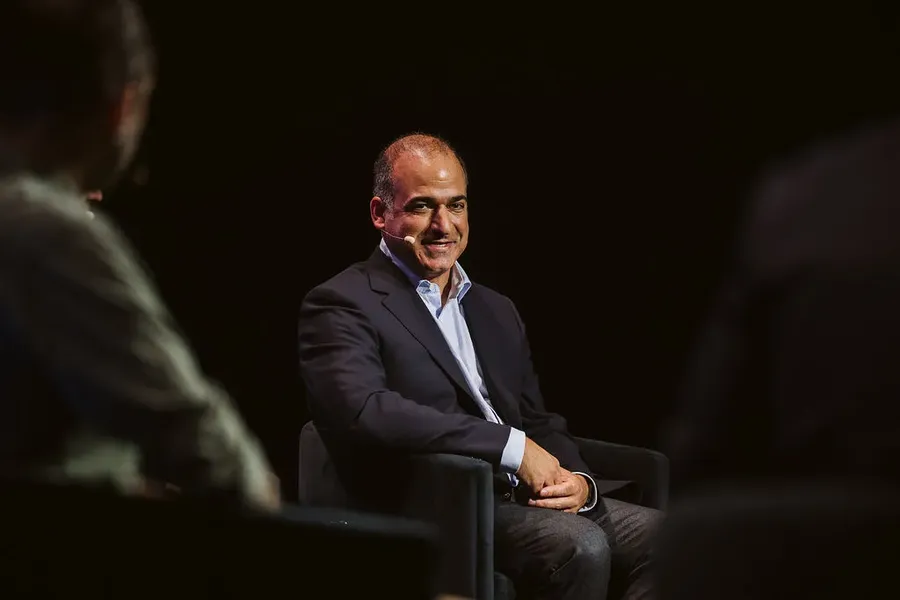
Greece is emerging as a Frontier AI hub in Southern Europe, but the region's AI future depends less on the latest models and more on workforce skills, data governance, and infrastructure. Microsoft’s Vice President for Southern Europe, Charles Calestroupat, told Fortune Greece that the country has the ingredients to become a regional AI hub: an innovation ecosystem, public digital initiatives like mAigov, growing cloud investments, and people with the right skills. The question is whether organizations can turn that potential into measurable productivity.
The Frontier AI bet on Greece
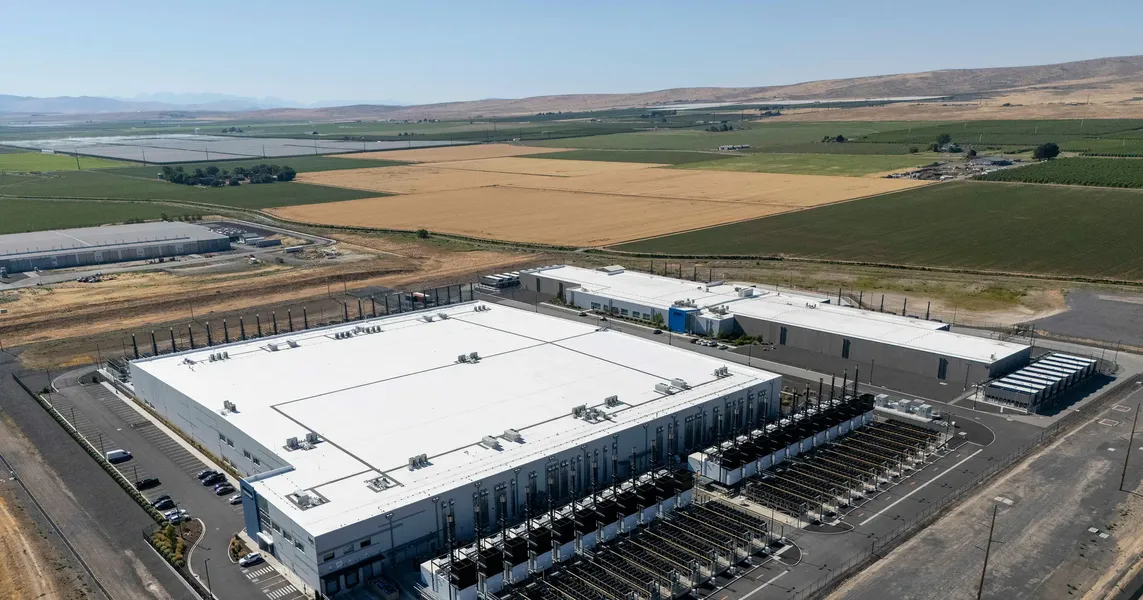
Microsoft is doubling down on Greece. The company’s GR for Growth program has trained about 100,000 people across the public and private sectors, students, and the unemployed in digital skills. Athens is being upgraded to a regional administrative hub for Southern Europe, managing 12 markets under Yanna Andronopoulou. A €1 billion investment is underway to build three data centers in Eastern Attica, forming the Azure Cloud Region Greece Central, the company’s first integrated cloud region in the country.
Beyond Microsoft, a wave of infrastructure investment signals a new digital corridor across SE Europe. EDGNEX Data Centers (a joint venture of PPC Group and DAMAC from the UAE), Digital Realty’s €400 million campus, and the Olive hyperscale project (up to €770 million) backed by Pimco’s Apto and Dromeus Capital are all building AI-ready data centers in Greece. These investments position the country as a strategic hub connecting Europe with the Eastern Mediterranean, Asia, and North Africa.
Why skills, not models, are the bottleneck
Calestroupat emphasized that successful Frontier Firms redesign work processes, focus AI on core business priorities, and organize data governance around privacy, security, and data quality. He described three phases of AI adoption: being assisted by AI, using agents for end-to-end tasks, and managing teams of agents under human control. The shift from experimentation to systematic use, especially for frontline employees, is where the real productivity gains lie.
A Work Trend Index Report cited in the article shows 46% of organizations worldwide already automate workflows with AI agents, and 82% of leaders plan to integrate them within 12-18 months. Yet a hierarchical gap persists: 67% of executives claim familiarity with advanced AI tools versus only 40% of employees. For Southern Europe’s SME-heavy market, this gap is a structural risk.
Greece ranks first in Gen Z AI use in Europe, but the transformation paradox is real. Calestroupat noted that 65% of people fear being left behind, while 45% prefer staying in a safe zone rather than risking failure. Only 13% believe their organization would value a learn-test-fail mentality. Building a culture that rewards experimentation is as important as any technology investment.
What this means for AI builders and operators
For teams building AI products or deploying agents in Southern Europe, the practical takeaway is clear: invest in reskilling and governance alongside infrastructure. The region’s data center buildout means lower latency and better data residency options for AI workloads. The Azure Greece Central region will provide local cloud capacity for AI inference and training, which matters for latency-sensitive applications and compliance with EU data regulations.
But the bottleneck is organizational. Calestroupat’s advice: start with a top-down AI strategy, focus on top business priorities, and ensure solid AI governance with data protection compliance. For builders, this means designing tools that frontline workers can actually use, not just powerful models that require deep ML expertise. The opportunity is in agentic workflows that let employees manage autonomous digital assistants, not replace them.
Caveats and what remains unclear
The source evidence comes primarily from a Fortune Greece interview and related corporate announcements. Details on specific project timelines, exact data center locations, and the pace of Azure region activation may evolve. The skills shortage data from Intellectica’s SDSI index shows that demand for AI skills in Greece is currently lower than in Portugal or Cyprus, which could either be a lag to overcome or a window for preparation. The article does not provide independent verification of Microsoft’s training outcomes or the exact ROI for companies that have adopted its approach. Builders should treat the strategic direction as credible but monitor execution closely.