Gemini Live Deep Research expands AI study tools; notebooks and AI Mode deepen user workflows
Published by AINave Editorial • Reviewed by Ramit
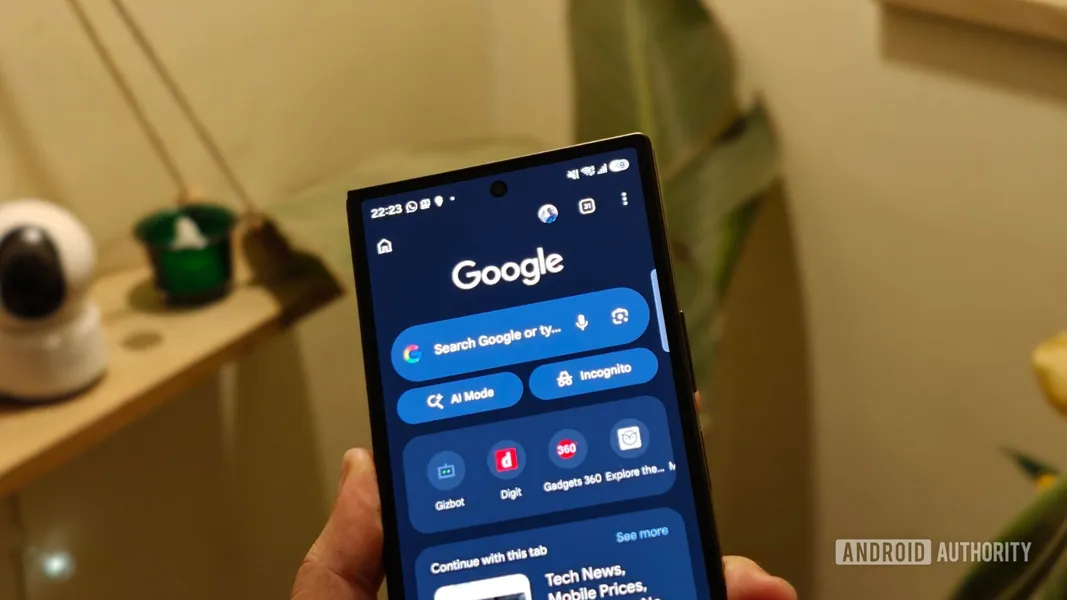
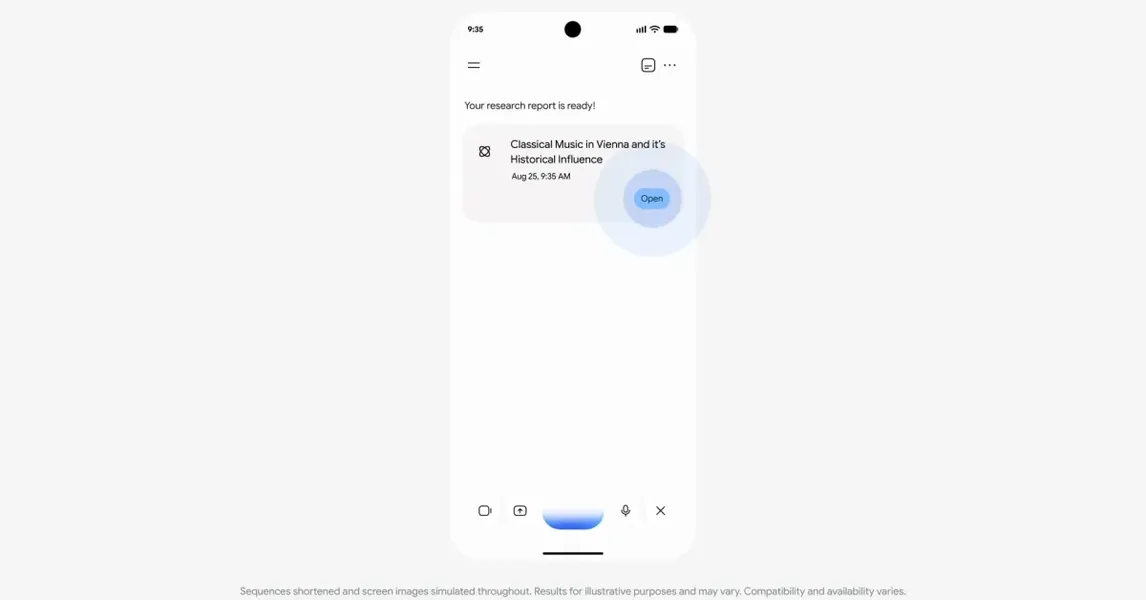
Google is rolling out a suite of study tools across the Gemini app and Search, anchored by Gemini Live Deep Research for voice-requested research reports and a deeper integration between AI Mode and Notebooks. For builders, the update shows how Google is stitching together voice interaction, persistent study notebooks, and syllabus-aware scheduling into a single workflow.
Gemini Live Deep Research and the new study workflow
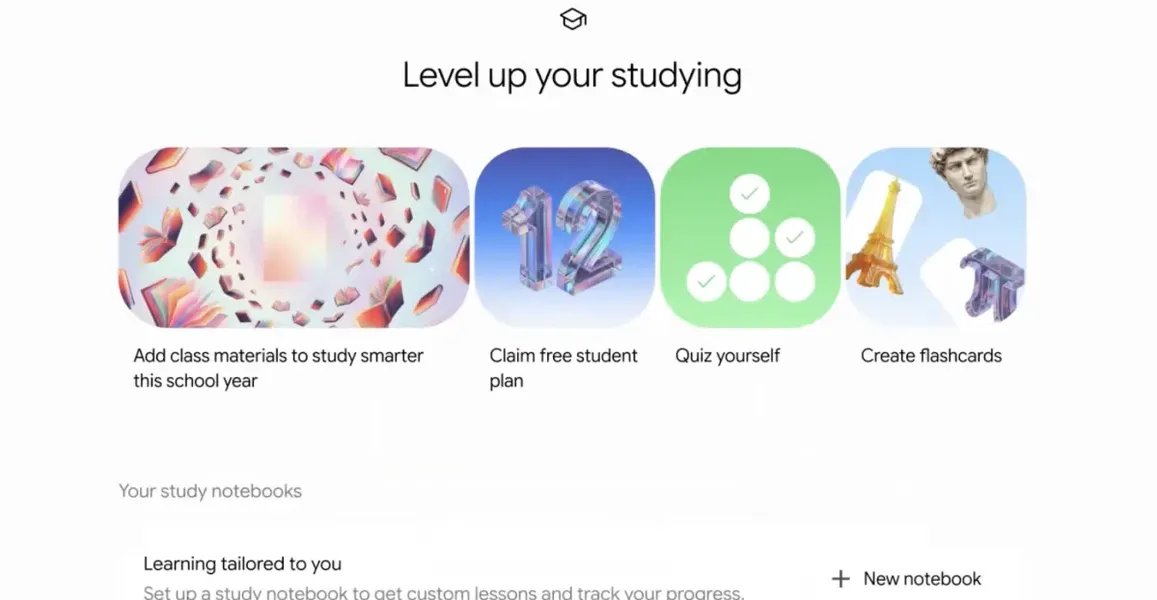
Gemini Live now supports Deep Research via voice. You can ask for a research report and then discuss what is generated. At the same time, AI Mode integrates with Gemini Notebooks, letting you combine class materials, slides, syllabi, and even previous AI Mode threads into a unified notebook workspace. A new Student Hub at gemini.google.com/students surfaces offers and tools like flashcards and practice quizzes.
For pricing, US college students get one free year of Google AI Pro (listed at $19.99/month) and a YouTube Premium bundle with up to 70% off. International users get a year of AI Plus for $4.99/month. AI Overviews and AI Mode also add custom practice quizzes for standardized tests including ACT, AP, GRE, JEE, LSAT, MCAT, NEET, and SAT. Google Lens gains an interactive learning experience that can discuss tough concepts and check progress by snapping a photo of a problem. Over the coming weeks, Google plans to add graphs, images, and Google Calendar integration that schedules due dates and exams based on your syllabus.
Why the architecture matters for AI builders
This is not just a feature drop. The architecture demonstrates a pattern for end-to-end educational tooling: voice-driven research generation, persistent notebooks that can be augmented with AI-generated content, and syllabus-based scheduling. The notebook integration allows linking multiple sources (slides, syllabi, articles, AI threads) into a unified workspace, which could be replicated in other products. The calendar integration based on syllabi shows attention to task management in AI-assisted workflows. Also, the quiz generation for standardized tests signals demand for reusable, adaptable assessment components.
Practical implications for product teams
Teams building AI-assisted study apps might consider voice-driven research generation and notebook-backed study templates. The Student Hub concept may influence how education features are packaged with tiered offers. The integration of Google Lens for interactive problem-solving could be a model for visual learning tools. For builders, the key takeaway is that Google is betting on a unified workflow where research, note-taking, scheduling, and assessment live in the same environment.
Caveats and rollout timeline
All information comes from a single announcement; no independent verification was available. Some features (graphs, images, calendar integration) are described as coming in the coming weeks with no exact dates. Pricing and availability may vary by region. The student offers are limited to college students in the US for the free AI Pro year; international users get a cheaper AI Plus plan. Builders should watch for actual rollout and API availability before building dependencies.