Doctor Issues Stark Warning Against AI-Driven Medical Diagnoses
Published by AINave Editorial • Reviewed by Ramit
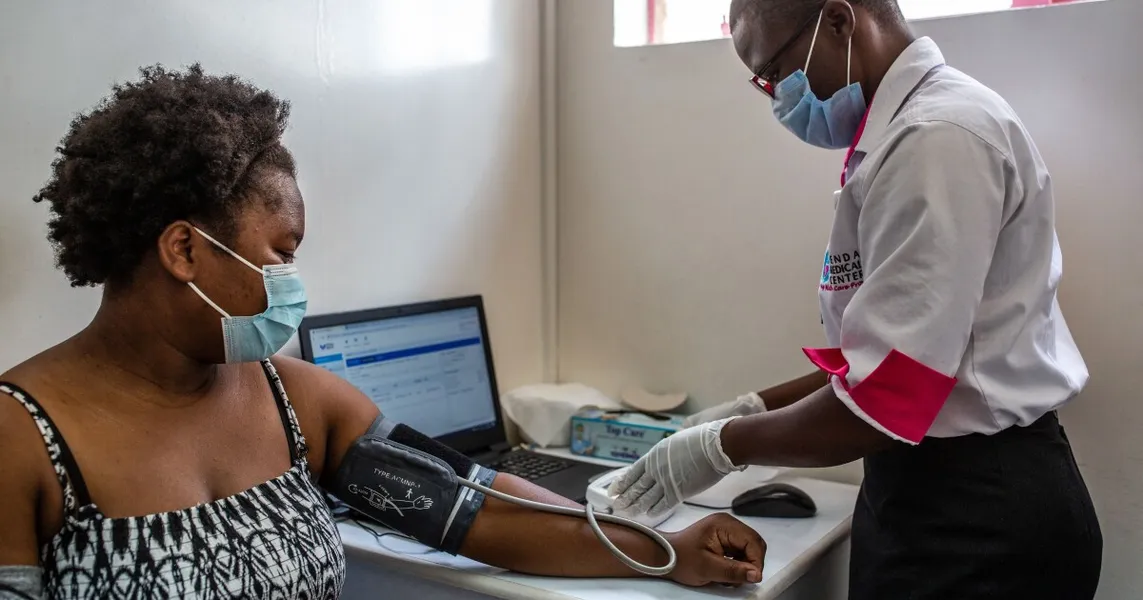
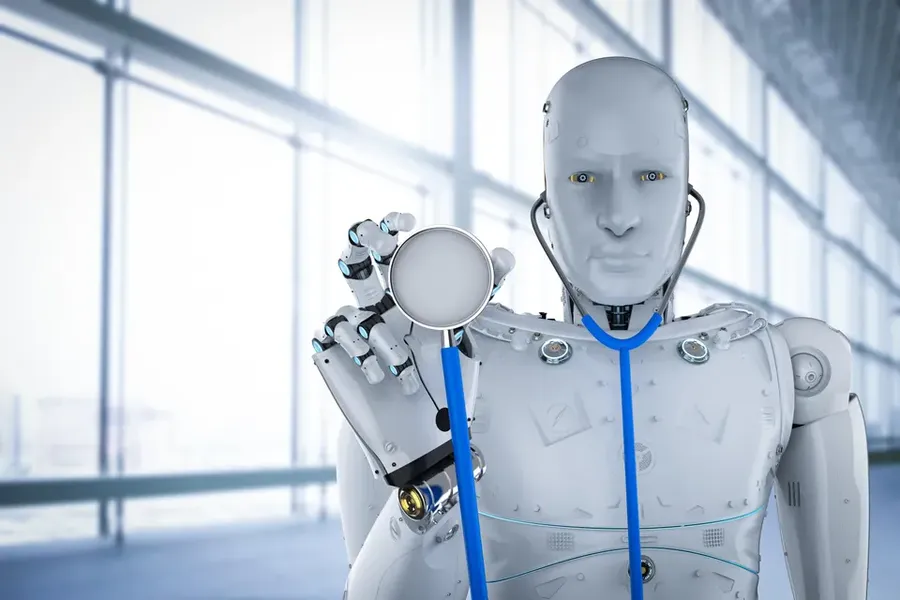
Millions of Americans are increasingly relying on artificial intelligence tools like ChatGPT for various inquiries; however, Dr. Heath Haggard, an internist at Southview Medical Group in Birmingham, issues a strong warning against using AI for medical diagnoses. He argues that while AI technology can assist health professionals with administrative tasks, it should never replace face-to-face consultations with clinicians, especially for serious health concerns.
The Dangers of AI in Healthcare
Using AI for symptom diagnosis poses significant risks. According to Dr. Haggard, the underlying issue stems primarily from three factors. First, the biases that patients include in their inquiries can skew the AI-generated responses. Second, AI relies heavily on language and user input, which may lead to misleading suggestions. Lastly, using AI shortcuts the complex process of clinical reasoning that human doctors undergo to reach accurate diagnoses. As Dr. Haggard notes, “You kind of cut short the path of clinical reasoning, and that’s probably the most dangerous thing.”
Given these complexities, he emphasizes that when faced with health issues, the safest approach is always to consult a qualified medical professional rather than seeking answers through AI tools. The sentiment echoes the longstanding caution against relying on Google or other search engines for medical advice.
What Do Patients Need to Know?
The primary takeaway from Dr. Haggard's warning is that AI should be viewed as a supportive tool rather than a replacement for clinical evaluation. Patients must prioritize accuracy and holistic assessment when it comes to their health. Just like they wouldn’t solely rely on online searches for crucial life decisions, a similar philosophy should apply when it concerns their health.
What About Future AI Developments?
As AI continues to evolve, its role in healthcare could expand. However, Dr. Haggard cautions that the focus should remain on enhancing how AI can assist health professionals in non-diagnostic ways, such as organizing patient records or streamlining communication. According to him, the idea isn’t to eliminate human doctors but to empower them with better tools that alleviate some of their administrative burdens while ensuring the crucial elements of human interaction and clinical judgment remain intact.
Ultimately, Dr. Haggard’s message underscores a vital reality: even in an era marked by rapid technological advancement, the importance of human expertise in medicine cannot be overstated. While AI presents fascinating opportunities, the need for real professionals to handle diagnoses—especially in dire health scenarios—remains indispensable.