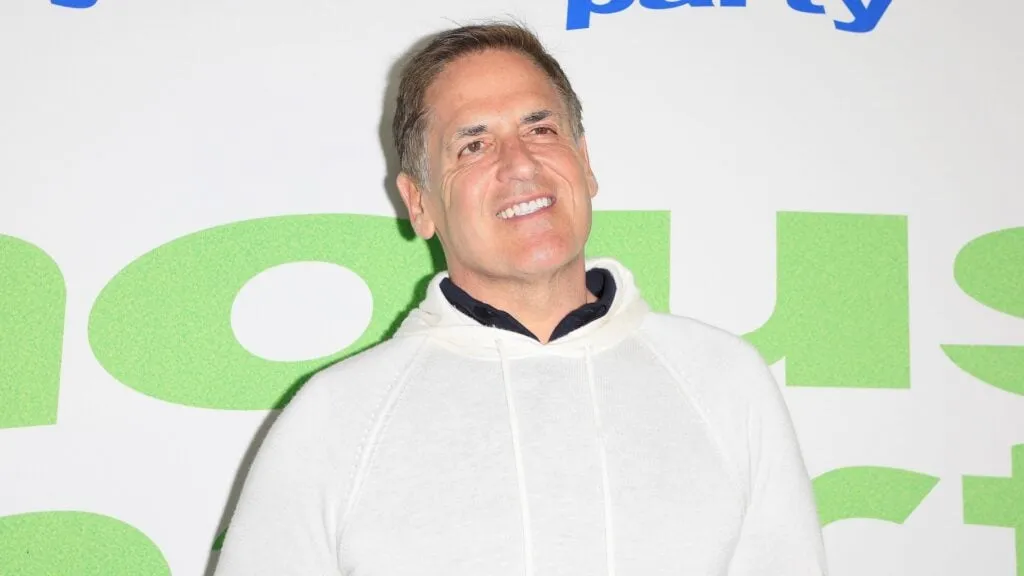
Mark Cuban Urges CEOs to Use AI for Hidden Healthcare Cost Audits
Published by AINave Editorial • Reviewed by Ramit
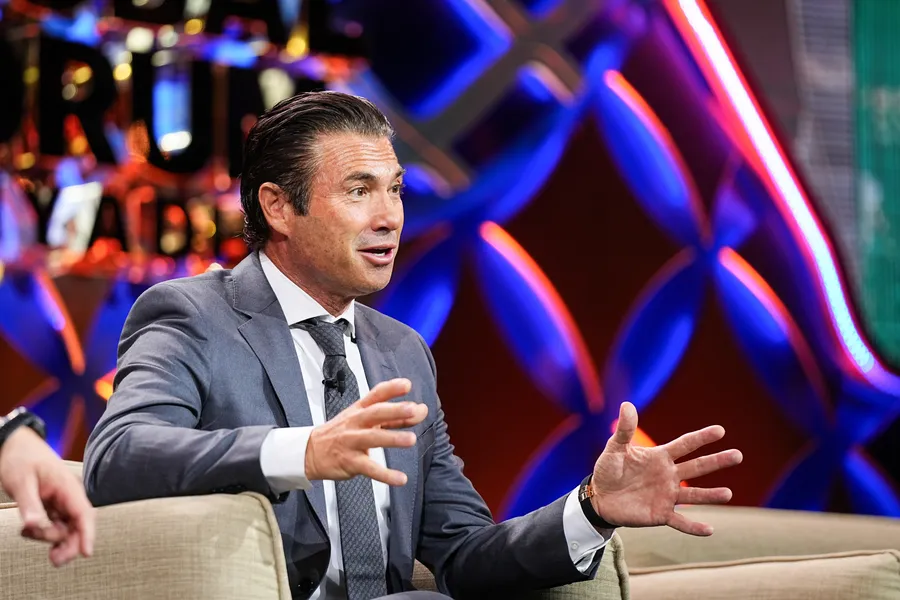
Mark Cuban says many employers are overspending on healthcare because executives lack visibility into complex insurance contracts. He recommends using AI tools to audit those contracts and find where costs are being inflated.
What happened
In a post on X, Cuban argued that companies struggle to challenge rising healthcare costs because HR teams are understaffed and depend on large providers like insurance carriers, administrative services organizations (ASOs), and pharmacy benefit managers (PBMs). He said these vertically integrated ecosystems know employers are afraid to switch providers and take advantage of that inertia.
Cuban told a CEO to take all of their healthcare contracts and put them into an AI tool like Claude, ChatGPT, Grok, or Gemini with the prompt: "Where are they ripping me off?" He said CEOs are always shocked by what the AI finds.
The remarks come amid broader interest in healthcare AI. Marc Andreessen praised an OpenAI evaluation showing physicians found fewer flaws in GPT-5.6's medical responses than in doctor-written responses. Microsoft and Mayo Clinic are collaborating on a healthcare-focused AI model. A West Health-Gallup survey found 25% of U.S. adults have used AI tools for health information, though concerns about accuracy and trust remain.
Why AI builders should care
This case highlights a potential market for AI-assisted contract auditing tools in health benefits. Builders who can create reliable, explainable AI workflows for parsing dense healthcare contracts could unlock significant cost savings for employers. The demand is clear: HR teams are overwhelmed, and the existing broker/consultant ecosystem has little incentive to push for transparency.
For product teams, the opportunity is not just in building a chatbot wrapper. It is in designing systems that can handle complex legal language, flag opaque pricing terms, and surface hidden fees in ASO, PBM, and carrier agreements. The Benzinga report suggests that even a simple prompt can reveal problems, but production-grade tools would need to handle document variety, data privacy, and audit trails.
Practical implications
Organizations can start experimenting with AI-assisted reviews of employer-sponsored healthcare contracts. The approach Cuban described is low-risk: upload contracts to a capable LLM and ask it to identify potential overcharges or unusual terms. This could be a quick win for companies that have never audited their health plan contracts.
However, adoption depends on tool accuracy and trust. The West Health-Gallup survey notes that concerns about AI accuracy persist. Builders should focus on providing citations within contract text and allowing human review before any decisions are made. Over-reliance on AI without independent verification could lead to incorrect conclusions, especially given the complexity of healthcare contracts and potential alignment issues with providers.
Caveats
The evidence for this story is based on a Benzinga summary of Mark Cuban's remarks. No independent data is provided in the sources to validate the effectiveness of AI tools for healthcare cost auditing. No specific prices, dates, or benchmarks are available. Claims about GPT-5.6's medical performance are referenced as opinions and not independently verified. Builders should treat this as a directional signal, not a proven methodology.
FAQs
Sources
- Mark Cuban Says CEOs are 'Shocked' by Hidden Healthcare Costs, Urges Companies to Use AI to Find Where They Are Being Ripped Off
- Mark Cuban says healthcare conglomerates will use AI to delay and...
- Mark Cuban Says 'It’s Far Easier To Blame AI Than It Is To Blame...
- Homepage of Mark Cuban Cost Plus Drugs
- Mark Cuban Says AI Can Expose Hidden Healthcare Contract Costs