Samsung's AI health push hinges on user-controlled data and trust, not just features
Published by AINave Editorial • Reviewed by Ramit
Samsung's AI health strategy, unveiled at Galaxy Unpacked, centers on user-controlled data and preventative health nudges rather than just feature count. For AI builders, the approach offers a case study in designing health AI that prioritizes trust and opt-in privacy from day one.
What happened
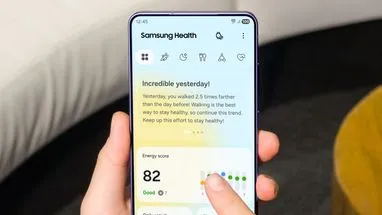
During Samsung Galaxy Unpacked on July 22, Samsung showcased its Samsung AI health strategy across Samsung Health, Galaxy Watch, and Galaxy Ring. Key features include Vitals, which tracks five metrics during sleep, a sleep-based ECG endorsed by the UK's MHRA, and an upcoming AI nutrition tracker that logs macros from a photo of your meal.
Executives including Annika Bizon (VP of Product and Marketing) and Rohit Ali (Head of Technology Incubation Lab) repeatedly stressed that data belongs to the user and Samsung is just a custodian. All features remain usable whether or not users opt in to data sharing for AI training. Samsung also referenced interoperability with Google Health Coach as part of its ecosystem.
Bizon stated the goal is to "keep people away from doctors" by providing small, AI-driven nudges that help users catch health issues early. The Vitals feature, for example, can detect early signs of illness like a cold by analyzing respiratory trends.
Why AI builders should care
User trust is the foundation of any AI health product. Samsung's Head of Digital Health Dr Hon Pak said during a Health Forum that "once you lose trust, nothing else matters". For builders shipping AI features that touch sensitive health data, this is a direct warning: without transparent opt-in controls and clear data ownership, adoption will stall.
Samsung's emphasis on opt-in and user control is a response to industry controversies (e.g., Meta) and a recent false rumor that Samsung Health would delete data unless users consented to AI training. The company quickly clarified the rumor was false, but the incident shows how quickly trust can erode.
Interoperability with Google Health Coach also signals that cross-platform data sharing norms are forming. Builders should expect health AI ecosystems to require standardized consent and data portability.
Practical implications
For teams building AI health features, Samsung's approach suggests several design patterns:
- Opt-in by default: Require explicit consent before using health data for AI insights. Samsung's Bizon said "the user is in control" and users can toggle data sharing on or off.
- Clear data delineation: Separate raw data storage from AI-derived insights. Users should understand what data is used for training versus what stays local.
- Regulatory alignment: Samsung's sleep-based ECG received MHRA endorsement, allowing users to send ECG data directly to doctors. Builders should plan for regulatory compliance early, especially for features that generate clinically actionable insights.
- Preventative nudges over diagnostics: Samsung positions AI as a "nudge" tool, not a diagnostic replacement. This reduces liability and builds user confidence.
Caveats
All claims in this article are sourced from a single TechRadar interview and Health Forum coverage at Galaxy Unpacked. Independent benchmarks, user adoption data, and third-party privacy audits are not yet available. Samsung's statements about data ownership and opt-in controls should be evaluated against actual implementation once the features ship broadly. The AI nutrition tracker is still in beta, and its accuracy and data handling details have not been independently verified.