How a Hims cofounder replaced his marketing team with AI and cut customer acquisition costs by 20%
Published by AINave Editorial • Reviewed by Ramit
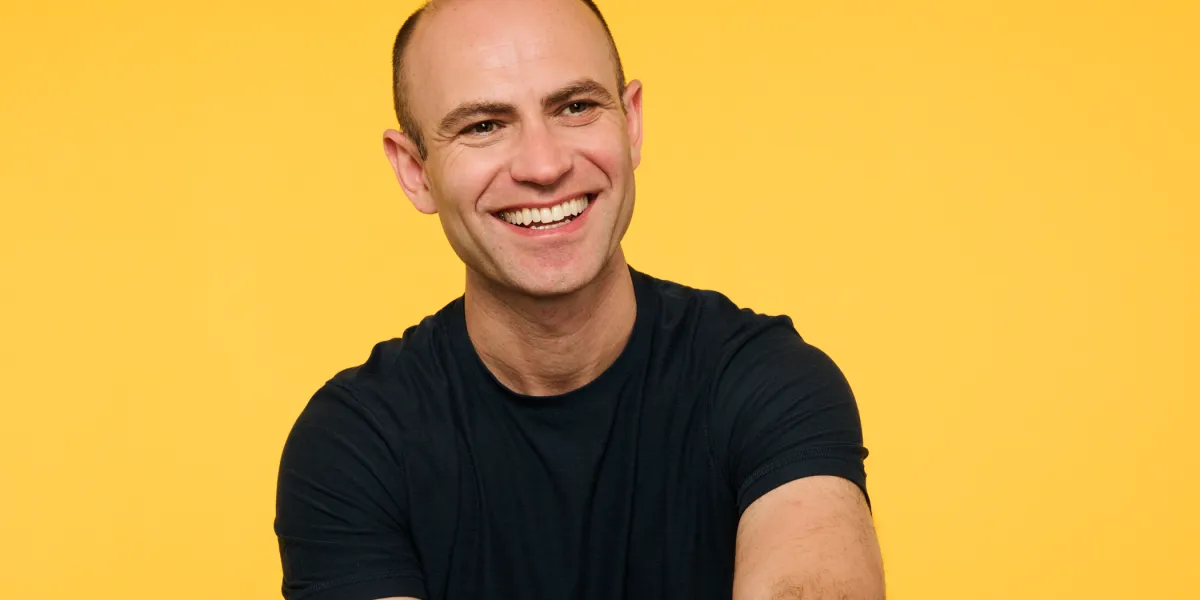
Dutch, a veterinary telehealth platform founded by Hims cofounder Joe Spector, replaced its outsourced marketing agency with an in-house team powered by AI tools. The result: a 10x increase in content output, a 20% reduction in customer acquisition costs, and 20% monthly audience growth, according to the company. For AI builders, this case study demonstrates how AI can transform marketing in a regulated, trust-sensitive service market.
What happened
Dutch launched in 2021 after Spector's own pet emergency led to a $2,000 vet bill and hours of searching. The company offers video visits with veterinarians for a flat $100 annual membership covering up to five pets. It now operates in 35 states and has more than 100,000 active members.
Until late 2025, Dutch relied on an outside agency that produced about five pieces of creative content per month at roughly $50,000 monthly. Spector fired that agency and built a new in-house marketing team that leans heavily on AI tools. The new team now produces about 50 content pieces per month, a 10x jump. That volume would cost roughly half a million dollars monthly through an agency, Spector told Fortune.
Dutch's presence on Meta grew from about 5% of its ad spend to roughly one-quarter. From January 2026 to April 2026, the company cut its customer acquisition cost by 20%. Audience grew 20% month over month from February to March 2026. Dutch also uses AI for A/B testing, brand-lift studies, and search strategy.
Why AI builders should care
This case is a real-world example of AI replacing a traditional marketing function, not just augmenting it. Dutch's move from agency to in-house AI production shows how small teams can achieve high content velocity and rapid testing, even in a market where trust and education are major barriers. The AI marketing in healthcare playbook here is directly applicable to any service-based vertical with high customer acquisition costs and low brand awareness.
For founders and product teams, the key takeaway is not just cost savings. The ability to test messaging at 10x the previous rate lets Dutch move upstream from bottom-of-funnel Google search to broader brand awareness. That shift can reduce dependence on expensive paid search and build long-term demand.
Practical implications
If you are building a product that requires consumer education and trust, consider an in-house AI content engine. Dutch's use of AI for creative generation, A/B testing, and brand-lift studies shows a practical stack. The company also brought on brand ambassador Tara Lipinski to boost downstream awareness, combining AI efficiency with human credibility.
For AI builders, the lesson is that AI tools can handle the volume and measurement of marketing, while strategic partnerships and brand ambassadors handle the trust factor. The 20% CAC reduction and 20% monthly audience growth are early signals that this hybrid approach can work.
Caveats
All growth and cost figures are company-reported via Fortune's coverage. Exact revenue, valuation, and long-term retention data are not disclosed. The results cover a short timeframe (January to April 2026) and may not be sustainable. The reliance on Meta for a quarter of ad spend also introduces platform risk. Finally, this is a single case study; results will vary by market, product, and execution quality.
FAQs
Sources
- A Hims cofounder fired his entire marketing team for AI. Now his 24/7 online vet service is growing 20% a month
- A Hims cofounder fired his entire marketing team for AI. Now ...
- A Hims cofounder fired his entire marketing team for AI. Now ...
- Hims cofounder Joe Spector replaced Dutch's marketing team ...
- A Hims cofounder fired his entire marketing team for… - inkl
- A Hims cofounder fired his entire marketing team for AI. Now ...
- A Hims cofounder fired his entire marketing team for AI. Now his 24/7 online vet service is growing 20% a month
- A Hims cofounder fired his entire marketing team for AI. Now his 24/7 online vet...
- Veterinary Telehealth Company Dutch Is Transforming Pet Care ...
- Hims & Hers Health - Wikipedia
- Joe Spector On Building A $2.3 Billion Company And Now Raising Millions To Bring Telehealth To Pets - Alejandro Cremades
- Hims Is an AI Company: The Market Missed It
- HIMS - Hims & Hers Health Inc Stock Price and Quote