US tech firms split on Chinese open-source AI amid regulatory debates
Published by AINave Editorial • Reviewed by Ramit
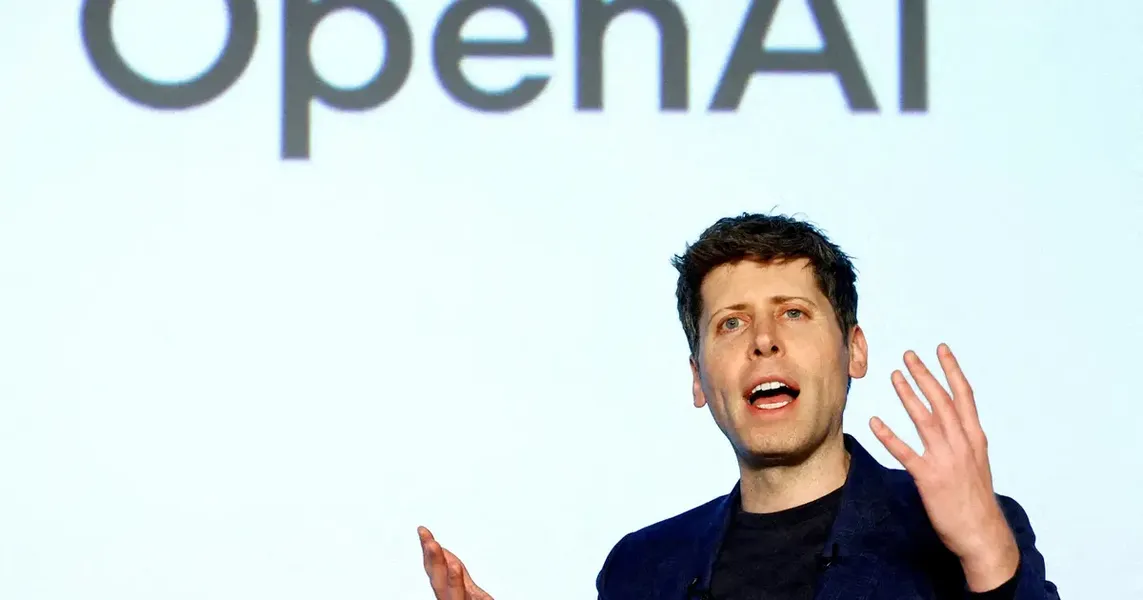
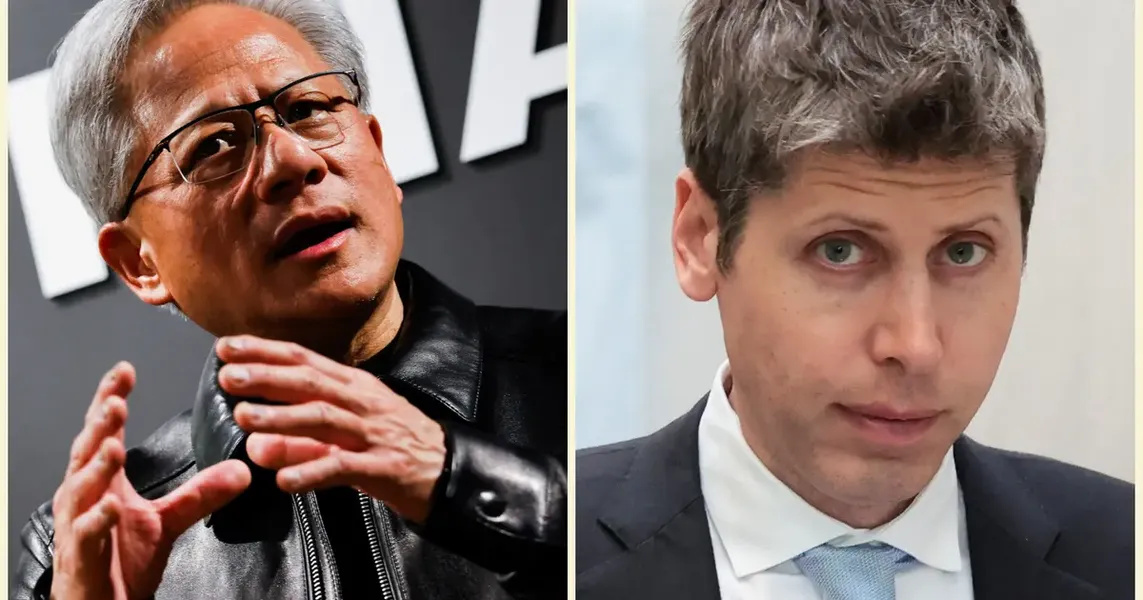
The US tech industry is divided over how Washington should handle the rise of open-source AI from China. OpenAI and Anthropic have warned that cheaper Chinese open-source AI models pose risks, urging caution as the US weighs how to regulate or limit such technologies. But Nvidia's CEO argued that American companies should not be afraid to use excellent Chinese models, saying they widen the tech's access to more people and businesses. A group of US startups urged the White House not to restrict the use of Chinese models, given how widely they are deployed in Silicon Valley. One founder warned that hundreds of companies could instantly die if restrictions are imposed.
What happened
OpenAI and Anthropic, the two leading AI startups that both make closed models, have in recent weeks sounded the alarm on what they see as the risks stemming from their cheaper Chinese counterparts. One OpenAI executive warned of a dystopian hellscape dominated by Chinese open-source tech. The House Committee on Homeland Security and the House Select Committee on China are jointly investigating the rise of Chinese AI adoption among US firms, an effort that began in April with letters to Anysphere and Airbnb.
Why AI builders should care
Nvidia CEO Jensen Huang argued that American companies should not be afraid to use excellent Chinese models, saying they widen the tech's access to more people and businesses. This stance matters for AI builders because Chinese open-source models have become a practical option for many teams. Faced with US curbs on high-end chips, Chinese tech firms have prioritized dozens of open-source AI models built on good enough technology. For builders, this means access to capable models at lower cost, but also potential policy risk if restrictions change.
Practical implications
A cohort of US startups is appealing to the White House to avoid restricting Chinese models due to their widespread deployment in Silicon Valley. One founder warned that hundreds of companies could fail if restrictions are imposed. The Trump administration is discussing a new framework for releasing advanced open-source AI models as Chinese rivals rapidly reshape the global race. Meanwhile, Beijing is reportedly weighing curbs on overseas access to China's top AI models, a move that would mirror the export controls Washington has long used against Chinese chips, except in reverse.
Caveats
The evidence cited comes from article headlines, summaries, and cited research sources. Policy directions are evolving and subject to change. The rapid advancement of Chinese open-weight models like Kimi K3 has intensified the debate in Washington over the national security risks of open-source AI, but no final policy decisions have been announced.
FAQs
Sources
- US tech firms debate curbs on Chinese AI
- US-China AI rivalry heats up as Chinese models gain ground
- US Lawmakers Weigh Curbs On Chinese AI Models As Adoption...
- This Week in AI: China Curbs AI Exports, OpenAI Ships...
- China weighs curbs on overseas access to advanced homegrown AI...
- Reported US push to ban Chinese AI models reflects... - Global Times
- China's Xi calls for step up of global effort in AI, as US curbs squeeze China's tech access
- US weighs new AI release framework as cheaper Chinese models reshape the global race
- 'Zero possibility': Nvidia CEO says US shouldn't fear Chinese AI models
- Xi calls for global AI cooperation as US restrictions squeeze China's tech access
- Beijing denounces US chip curbs as threat to global supply chains
- China eyes export curbs on AI models | Atlas360
- China tightens curbs on foreign investments amid AI, chip tech rivalry with US
- Analysis - US curbs on AI spur European firms to spread the risk
- US Curbs on AI Spur European Firms to Spread the Risk
- US tech firms debate curbs on Chinese AI - Yahoo