Nvidia's Jensen Huang defends open-source AI models from China as policy debate heats up
Published by AINave Editorial • Reviewed by Ramit
Nvidia CEO Jensen Huang publicly defended open-source AI models from China, arguing that American firms should be free to run them and that open models drive hardware demand. The comments come as Moonshot AI's Kimi K3 model tops benchmarks and US officials threaten sanctions, making this a critical moment for builders evaluating open-weight models.
What happened
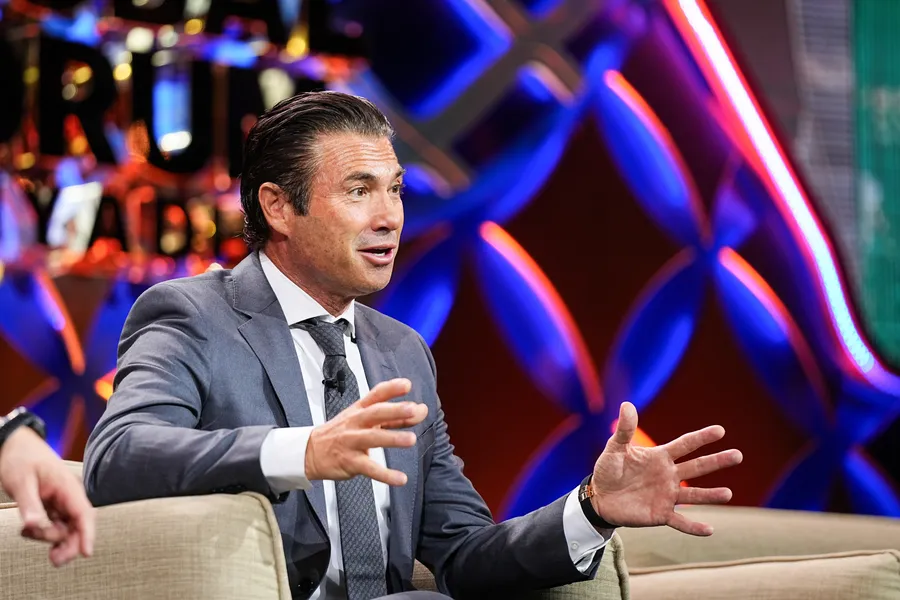
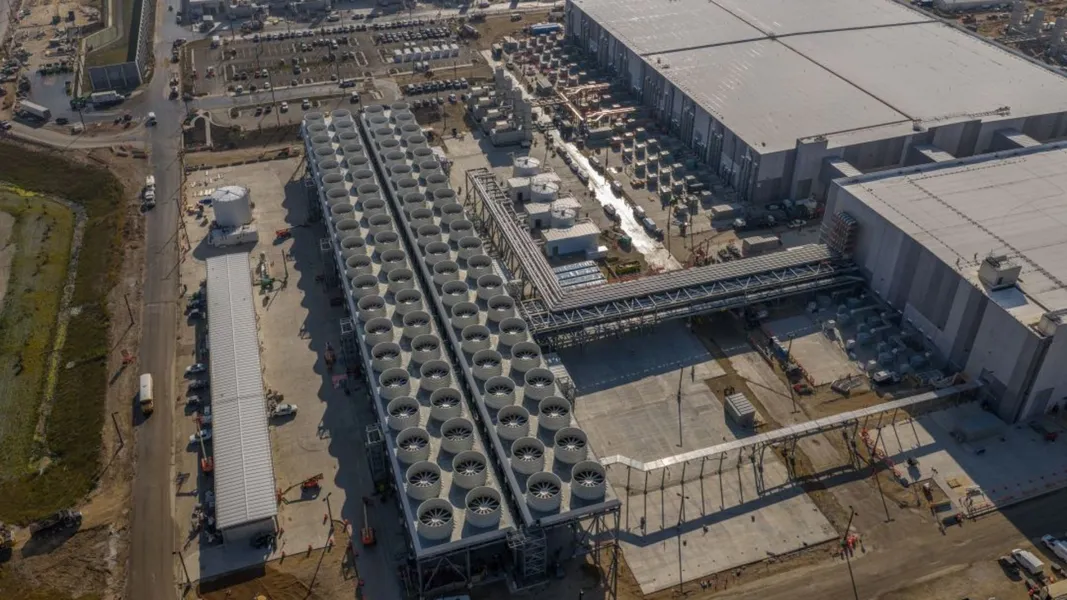
Speaking at the opening of a new phase of the Wistron plant in Fort Worth, Texas, Huang told Axios that American companies should "absolutely" be free to run Chinese models. "These Chinese models are excellent," he said. "Open-source models that are excellent should be used." He dismissed the idea that China could displace US labs as "zero possibility" TechSpot.
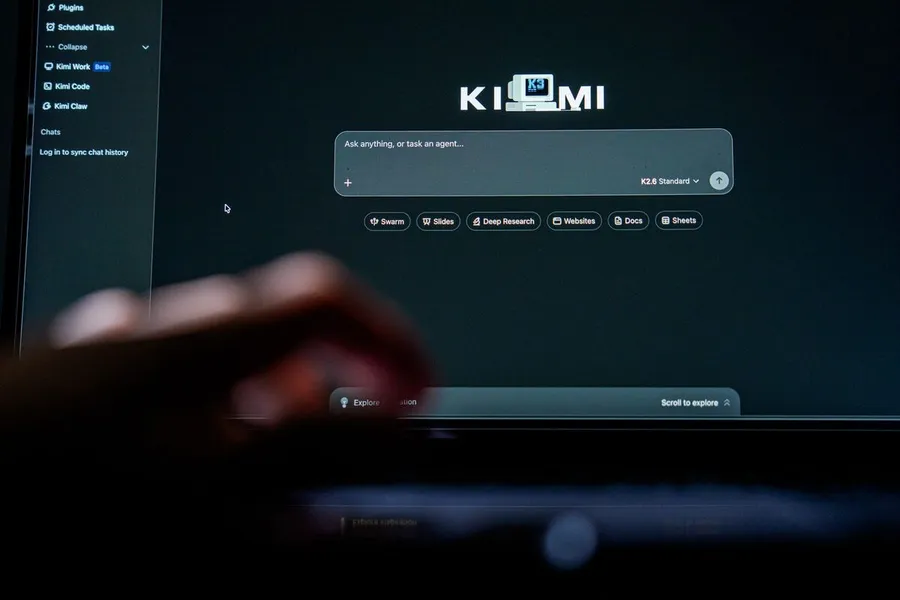
The timing is tied to Moonshot AI's release of Kimi K3 on July 16. Independent evaluators placed it third on Artificial Analysis' Intelligence Index, behind only Anthropic's Claude Fable 5 and OpenAI's GPT-5.6 Sol, and first on LMArena's blind Frontend Code Arena board TechSpot. The market reacted sharply: the Philadelphia Semiconductor Index fell 12.5% in a week, Taiwan's benchmark dropped more than 6%, and Chinese AI stocks like Zhipu fell as much as 30% in Hong Kong TechSpot.
Huang argued that open models boost hardware demand and data-center activity. "Free AI should be great for hardware. Free AI should be great for chips. Free AI should be great for data centers," he said Axios. He also turned his argument to Anthropic's Claude Mythos, a cybersecurity model currently restricted to vetted partners, saying it "should be available as a service" and that "holding Anthropic back is not in the benefit of the United States" TechSpot. Nvidia already has access to Mythos through Anthropic's Project Glasswing program, which has grown from about 50 partners to roughly 200 across 15 countries TechSpot.
The policy backdrop is heating up. Treasury Secretary Scott Bessent told Fox Business the administration is investigating whether Chinese AI models were built on stolen US intellectual property, with possible sanctions within days or weeks TechSpot. US Commerce has been considering blacklisting Chinese AI labs since last year, and a draft executive order that would have made US companies liable for running Chinese models stalled but may be revived TechSpot.
Why AI builders should care
For teams building AI products, the Kimi K3 release signals that open-source AI models are closing the gap with closed frontier models. Epoch AI estimates the gap between the best open and closed models is now down to around three months TechSpot. That means builders have more high-quality options without API lock-in, especially for tasks like frontend code generation where Kimi K3 leads the LMArena board.
Huang's argument that open models improve safety through transparency is directly relevant to builders deploying models in production. He pointed out that open weights can be inspected, tweaked, and run offline, reducing single points of failure TechSpot. This aligns with the growing practice of running open models in air-gapped environments for sensitive workloads.
However, the regulatory uncertainty is real. If sanctions or blacklisting materialize, builders using Chinese open models could face compliance risks. Bessent floated the idea that US companies might need to disclose to customers when they are running Chinese models TechSpot. Teams should monitor policy developments closely.
Practical implications
- More model options: Kimi K3's full weights are expected to go public on July 27 TechSpot. If benchmarks hold under independent testing, builders gain a strong open alternative for coding and reasoning tasks.
- Infrastructure demand: Huang's logic that cheaper models increase usage, not decrease it, means data-center and GPU demand could rise as open models proliferate. Builders should plan for potential capacity constraints.
- Mythos access: If Anthropic opens Claude Mythos more broadly, builders in cybersecurity and safety-critical domains could gain access to a specialized model currently limited to a few hundred partners TechSpot.
- IP concerns: Anthropic has accused Moonshot of training on 3.4 million Claude conversations TechSpot. Builders should evaluate provenance and licensing of any open model they adopt.
Caveats
Huang is not a neutral observer. Nvidia's China revenue is essentially zero, and he has spent two years arguing against export controls TechSpot. His endorsement of open models aligns with Nvidia's interest in maximizing chip demand.
Kimi K3's benchmark results come from early API testing and Moonshot's own claims. The full weights are not yet public, so independent verification is pending TechSpot. The market panic may be overblown, as Huang himself argued.
Policy outcomes remain uncertain. Treasury and Commerce discussions could lead to sanctions, blacklisting, or disclosure requirements that affect how builders deploy Chinese models. The situation is fluid and may evolve quickly.
Sources
- Nvidia's Jensen Huang defends Chinese AI: "Open-source models that are excellent should be used"
- US threatens to sanction Chinese AI; Huang pushes back
- Exclusive: Nvidia's Jensen Huang defends Chinese AI amid Kimi panic
- As Washington panics about Chinese AI, Jensen Huang says open-source models like Kimi are ‘excellent’ and should be embraced, not banned | Fortune
- Nvidia's Jensen Huang defends Chinese AI: "Open-source models that are excellent should be used" - ChinaTechNews.com
- Nvidia CEO Jensen Huang defends Chinese AI, says US shouldn't fear it: Report
- Exclusive: Nvidia's Jensen Huang defends Chinese AI amid Kimi panic
- As Washington panics about Chinese AI, Jensen Huang says open-source models like Kimi are 'excellent' and should be embraced, not banned