Georgia Appeals Court Warns Against AI-Generated Fake Citations in Henry County Schools Case
Published by AINave Editorial • Reviewed by Ramit
The Georgia Court of Appeals vacated part of a trial-court order in a Henry County Schools race-discrimination suit after finding the order relied on at least one AI-hallucinated legal citation. The June 10 opinion warns that generative AI can produce plausible but nonexistent authorities and instructs judges to verify all citations by hand against real cases. For AI builders, this ruling highlights why verification of AI outputs is critical in high-stakes domains like law.
What happened
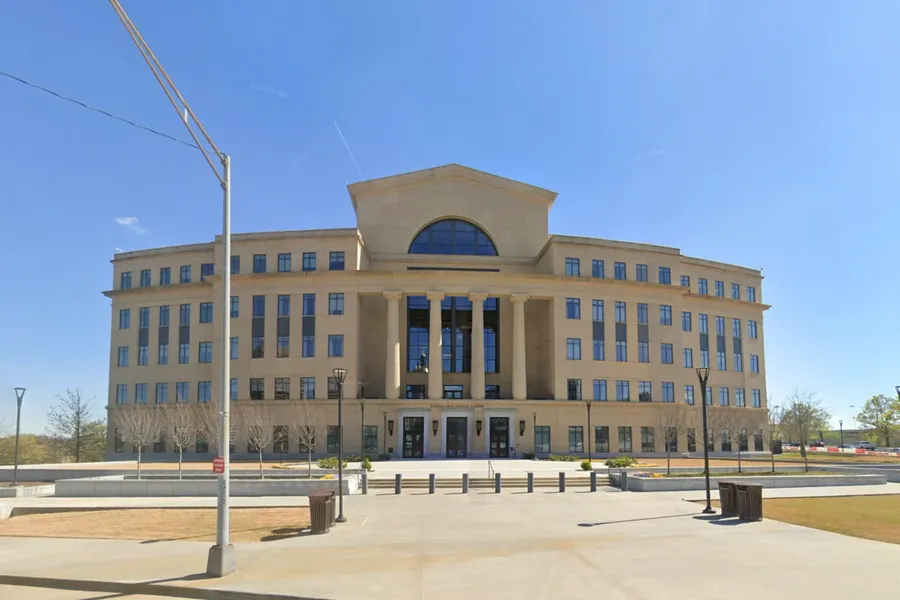
The Georgia Court of Appeals vacated key portions of the lower court's ruling in a set of Henry County Schools race-discrimination suits after concluding the order "contains multiple legal errors" and relied on at least one "hallucinated" case. The panel called it "troubling" that such an order was submitted and "regrettable" that the trial court did not catch the mistakes. The opinion instructs trial judges to independently verify proposed orders and stresses that generative AI can churn out convincing but nonexistent authorities unless every citation is checked the old-fashioned way: by hand against real cases.
The ruling follows a May Georgia Supreme Court decision that sanctioned a Clayton County prosecutor for AI-generated bogus citations, suspending the assistant district attorney's privilege to practice before the high court for six months and ordering additional ethics and AI training. Researcher Damien Charlotin maintains a public database tracking AI hallucinations in court documents, listing roughly 1,700-plus incidents worldwide.
Why AI builders should care
This case is a clear signal that unchecked AI outputs can introduce fabricated authorities into legal filings. AI legal expert Cat Casey noted that "large language models are basically really good guessers," meaning any output still has to be checked against primary sources. For builders of AI tools for legal research, document drafting, or compliance, this ruling underscores the need to build verification workflows into products. The same hallucination risk applies to any AI-powered system generating citations, references, or factual claims in regulated industries.
Practical implications
Filings that rely on fabricated or misattributed authority risk getting vacated, drawing sanctions, and triggering bar referrals. The Georgia Court of Appeals sent the Henry County suits back for reconsideration and instructed trial courts to independently evaluate any proposed orders. Local bar leaders may tighten AI-use guidance for filings and orders. Builders of AI-assisted legal tools should implement citation verification features: cross-referencing against official databases, flagging uncertain sources, and requiring human confirmation before submission.
Caveats
The source evidence for this article combines local reporting and broader AI-citation discussions. The specific sanctions and penalties beyond vacating orders are not exhaustively documented in the provided excerpts. The broader context includes related Georgia Supreme Court action, but details of that case are not fully enumerated here. Readers should watch for further disciplinary moves and potential tightening of court rules on AI use in filings.
FAQs
Sources
- Georgia Appeals Court Torches AI Fake Citations In Henry County School Bias Fight
- Georgia appeals court warns against AI-generated fake legal...
- New Georgia appeals court order makes Trump Fulton County...
- UK Court Warns Lawyers Can Be Prosecuted Over A.I. Tools That...
- Homepage | New York Courts
- Election Inference Case Paused By Georgia Appeals Court
- Georgia appeals court warns against AI-generated fake legal citations after Henry County Schools race discrimination suit ruling
- US appeals court rebukes lawyer over ‘fake and hallucinated’ case citations
- Augusta federal magistrate judge named to Ga. appeals court
- Georgia appeals court upholds ruling saying election... | FOX 5 Atlanta
- Georgia appeals court fined a divorce lawyer after fake AI-like...
- Georgia Appeals Court Cancels Oral Argument for Trump Bid... | NTD