Data Center Charm Offensive: Meta and OpenAI Respond to Local Backlash
Published by AINave Editorial • Reviewed by Ramit
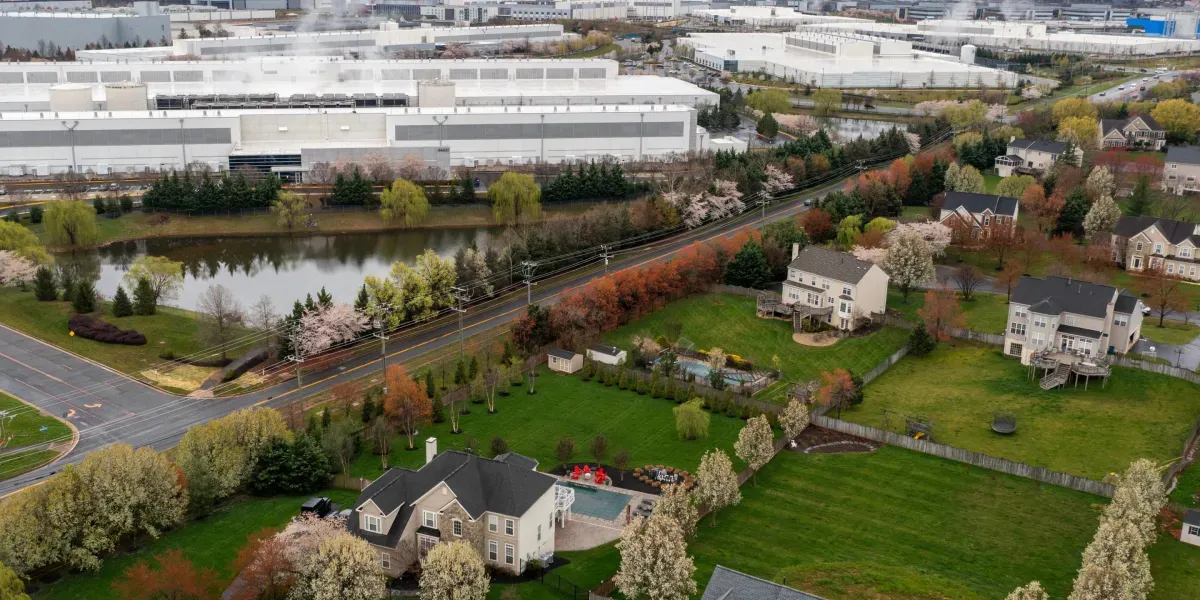
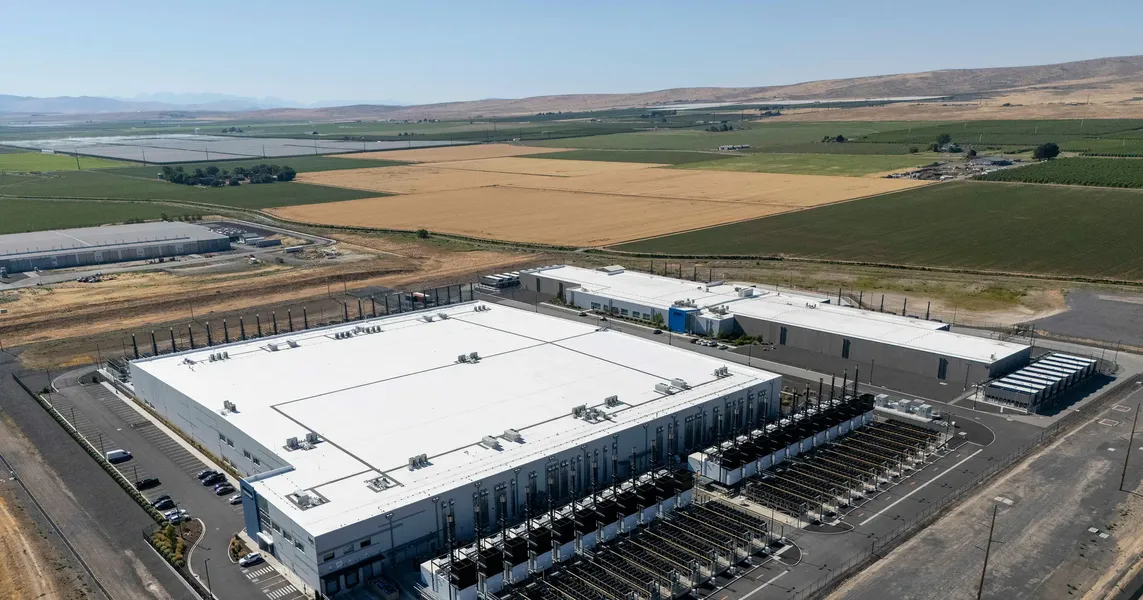
Meta and OpenAI are courting communities and regulators with new pledges as local bans on data centers surge, signaling a new era of AI infrastructure diplomacy. The moves come as bipartisan backlash against data-center construction intensifies, with local bans jumping from 300 in late June to over 500 in July, according to The Information. For AI builders, this means deployment timelines and capital allocation may increasingly hinge on community relations and policy, not just technical feasibility.
What happened: A coordinated response to a growing problem
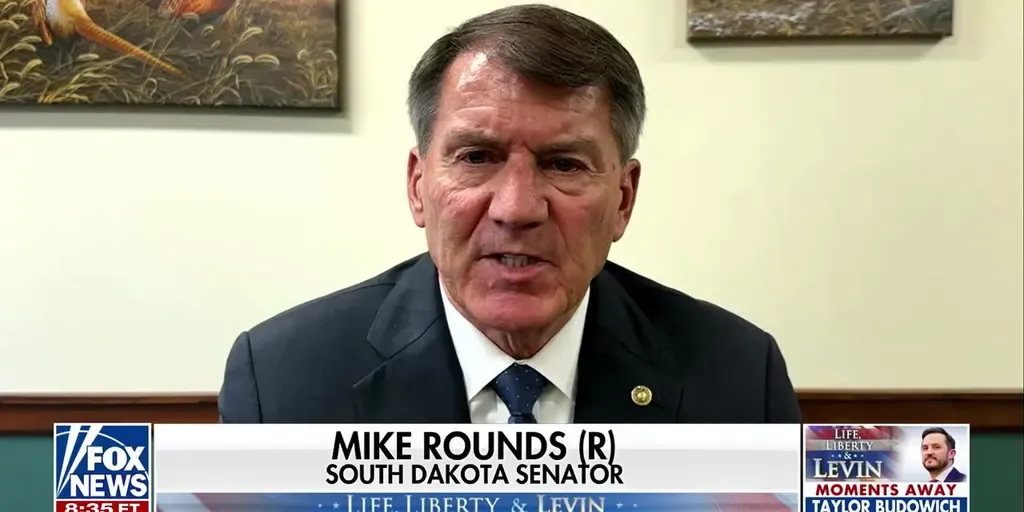
Meta CEO Mark Zuckerberg published a 6,500-word essay announcing a $1 billion fund to invest in communities that host data centers. OpenAI followed with an open letter to Texas' governor, pledging to be a partner in "responsible AI infrastructure development." These actions are a direct response to what a Republican senator described to Semafor as Americans being "on fire" against data centers. New York has banned their construction outright, and the surge in local bans reflects a broader regulatory pushback.
Why this matters for AI builders
The data center charm offensive is not just about public relations. It signals that AI infrastructure deployment is now a political and community challenge as much as a technical one. For builders, this has practical implications:
- Deployment timelines: Permitting and zoning delays can push back capacity availability, affecting when you can access compute for training or inference.
- Capital allocation: Companies may redirect funds toward community investment, potentially impacting pricing or infrastructure investment strategies.
- Regulatory uncertainty: The patchwork of local bans creates an unpredictable environment for long-term capacity planning.
The practical playbook: Community funds and public pledges
Meta's $1 billion fund and OpenAI's Texas pledge are examples of a broader strategy: using community investment and public commitments to smooth permitting processes. This approach acknowledges that data centers are no longer invisible infrastructure. They consume significant energy and water, and communities are demanding a tangible return. For builders, this means that when you evaluate a cloud provider or AI infrastructure partner, their community relations and regulatory strategy are now part of the risk profile.
What remains unclear
This analysis is based on a single reporting source, which may not capture the full spectrum of local reactions or official policy shifts. The White House has largely refrained from addressing the backlash, calling data centers "Money Machines," which leaves federal policy direction uncertain. The effectiveness of these charm offensives in actually reducing bans or speeding up permitting is not yet proven.
The bottom line for builders
Watch how these community investment funds and pledges translate into actual policy changes. If they succeed, expect smoother deployment in some regions. If they fail, expect more local bans and longer lead times for new capacity. For your own projects, factor in regulatory risk when choosing regions for AI workloads, and consider that the cost of compute may rise if infrastructure expansion slows.