Chinese open-weight AI models reignite safety debate and U.S. policy considerations
Published by AINave Editorial • Reviewed by Ramit
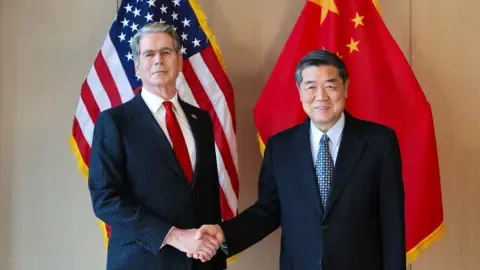
The rapid rise of Chinese open-weight AI models has reignited the U.S. debate over how to balance safety and security risks while driving growth in the American tech ecosystem. Some fear that Silicon Valley will get hooked on cheap Chinese AI that is accused of ripping off American labs, introducing "various baskets of risk," an American Enterprise Institute scholar wrote this year. The U.S. is now threatening sanctions against Chinese AI firms, and Beijing is vowing to retaliate.
What happened
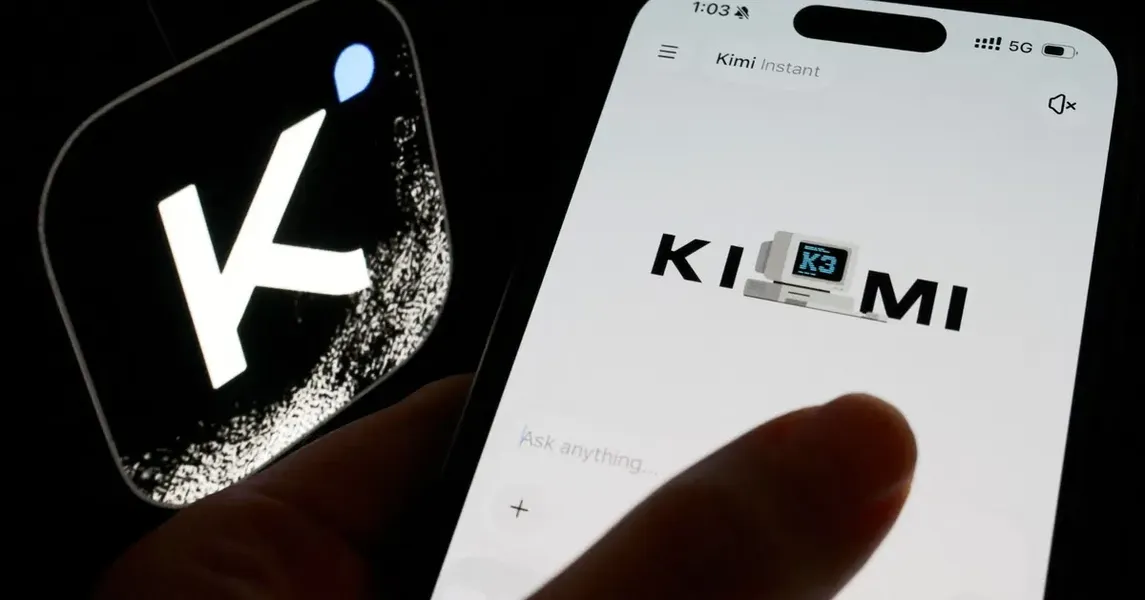
The debate centers on the release of powerful open-weight models from Chinese companies like Moonshot AI's Kimi, which have caught up to or even pulled ahead of global counterparts in advanced capabilities. These models, which allow anyone to download the code and run it on local hardware, have reignited the open versus closed-source debate in Washington and Silicon Valley.
Why AI builders should care
For AI builders, founders, and product teams, the policy outcome of this debate could directly affect which models are available, how they can be deployed, and what compliance requirements apply. The core safety question, according to China tech expert Samm Sacks, is not about who makes an AI model but about "who owns and operates" the server it runs on. This distinction could reassure American firms and developers who are "worried about data being sent to China."
Practical implications
If you are building an AI product, the practical takeaway is that server ownership and operational control may become the primary governance lever. Running a Chinese open-weight model on your own infrastructure in the U.S. or Europe could mitigate data sovereignty risks, even if the model itself was developed abroad. This shifts the compliance burden from model provenance to infrastructure governance.
Caveats
This analysis is based on a single news piece and its cited scholars. It reflects an ongoing policy debate rather than measured outcomes or verified deployments of open-weight models. The actual impact on the American tech ecosystem will depend on future sanctions, trade policy, and how companies choose to operationalize server ownership as a safety mechanism.
FAQs
Sources
- Chinese open-weight models reignite AI safety debate
- Silicon Valley is freaking out over China’s open-source AI strategy
- Nvidia Forms Alliance to Back Open-Source A.I. Amid Debate Over...
- Making sense of the panic over Chinese AI | TechCrunch
- Dario Amodei Clarifies Anthropic’s Open-Weight AI Stance - CCTest
- Anthropic CEO Dario Amodei pushes back on open-weight AI safety...
- If open weight models are the future, U.S. AI companies are going to have a hard time
- Why Nvidia, Microsoft, and Meta are fighting for open-weight AI
- In face of US crackdown, Microsoft, Nvidia CEOs back open-weight AI models
- Why China is giving away its best AI models
- Beyond DeepSeek: China's Diverse Open-Weight AI Ecosystem and ...
- Chinese open-weight AI models for enterprise: cost vs ...
- Beyond DeepSeek: Key Takeaways China’s Diverse Open-Weight AI ...
- China weighs open-weight AI’s security risks against national ...
- OpenAI and Anthropic find common ground: open-weight AI