Austin Gets Serious About AI Data Center Regulations Before Hyperscale Arrives
Published by AINave Editorial • Reviewed by Ramit
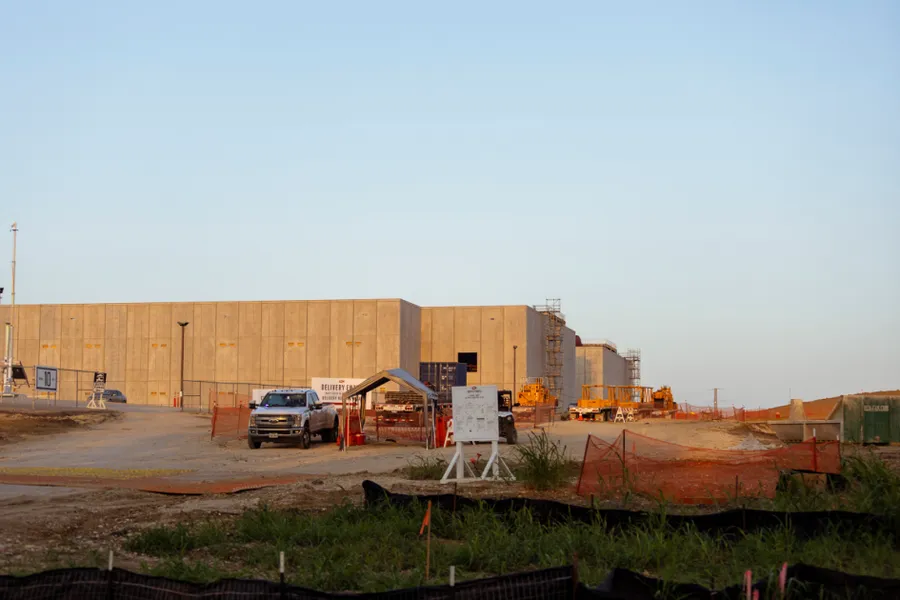
Austin is moving to regulate AI data centers before a hyperscale facility arrives, with City Council members pushing a resolution that would create a new zoning tool and review process for water use, energy consumption, noise, heat, and lighting. The move is a direct response to the rapid growth of water- and energy-intensive AI infrastructure across the country.
The council is scheduled to debate and vote on a resolution Thursday aimed at creating new regulations ahead of a large facility being proposed. Currently, Austin lacks a specific land use classification for AI data centers, leaving the city with limited regulatory authority. The state defines a large-load user as 75 megawatts or more, but Austin Energy currently serves 10 data centers drawing between 1 and 20 megawatts each. Planning staff has proposed defining "high-impact data centers" and requiring developers to seek additional city approval, with new requirements for water use, noise, heat, and lighting. The city also intends to not incentivize data center construction.
Why AI builders should watch Austin's data center rules
For AI builders evaluating Austin for infrastructure, the proposed rules could change permitting timelines and public transparency expectations. Council Member Ryan Alter has said he wants a zoning tool where any data center would need permission, and that it would be a "very high bar" for him to approve a local data center. Some council members support a moratorium on construction until rules are in place. This signals a shift from permissive to restrictive posture, which could affect site selection for hyperscale projects and colocation providers.
Practical implications for AI infrastructure
If enacted, developers would need to demonstrate water-use plans, cooling strategies, and noise and lighting controls before approval. The city could also require disclosure of resource consumption, which has been a challenge as only a small fraction of Texas data center operators responded to a state survey. For builders, this means higher upfront compliance costs and longer permitting timelines. It may also push AI infrastructure toward more water-efficient cooling technologies, such as direct-to-chip cooling, which researchers say can reduce both water and energy use.
Limitations and uncertainties
The draft rules are still under debate and may change. The resolution is one step; actual zoning amendments would require further council votes. There is limited public data from operators, making it hard to assess true impact. The city is acting preemptively, as no hyperscale facility has been proposed in Austin yet. The rules could also face pushback from industry groups. Builders should monitor the council's vote and subsequent rulemaking, as the outcome could set a precedent for other cities.
FAQs
Sources
- Austin races to regulate AI data centers before they strain city’s water and power
- Exposing The Dark Side of America's AI Data Center... - YouTube
- Data Centers and Water Consumption | Article | EESI
- AI Data Center Map - Visualize Water & Power Impact
- Regulate AI Data Centers Before They Consume Our Grid... | Resistbot
- Google pledges $10M for Texas water amid AI data center backlash
- Austin races to regulate AI data centers before they strain city’s water and pow...
- Austin braces for AI-driven data center boom that could strain grid, raise rates
- Texas is best positioned for AI data center boom, study says
- Democratic US Senate candidate James Talarico proposes regulations, guardrails...
- Austin races to regulate AI data centers before they strain city’s water and power
- Austin races to regulate AI data centers before they strain ...
- Austin races to regulate AI data centers before they strain ...
- Austin races to regulate AI data centers before they strain ...
- Austin City Council weighs data center regulations, some ...
- Austin races to regulate AI data centers before they strain ...