Alberta's AI Data Centre Regulation Tour: Town Halls, Water Rules, and Siting Constraints
Published by AINave Editorial • Reviewed by Ramit
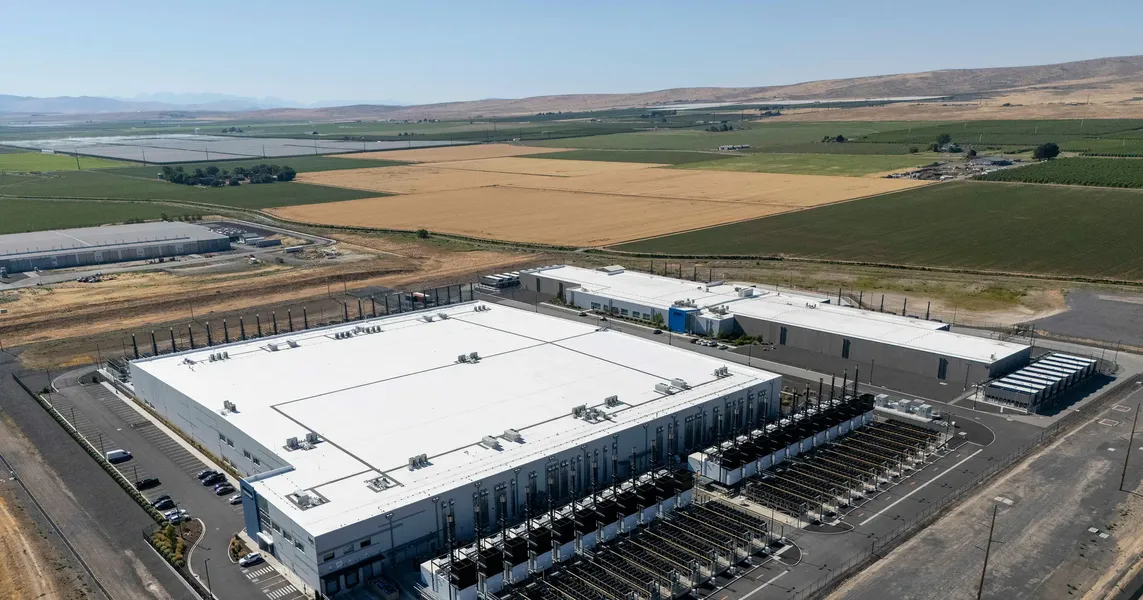
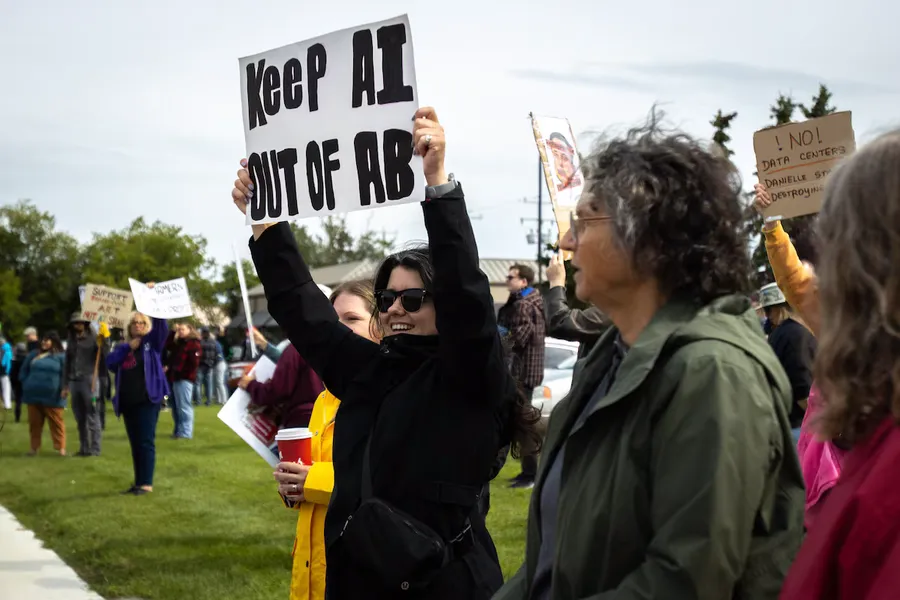
Alberta Premier Danielle Smith and Technology Minister Nate Glubish are hosting four town halls to discuss AI data centre development and refine provincial rules, as Meta's proposed $13-billion campus north of Edmonton faces local protests over water use, environmental impact, and proximity to farming communities. For AI builders and infrastructure teams, the regulatory outcomes could affect project timelines, water rights, and site selection costs.
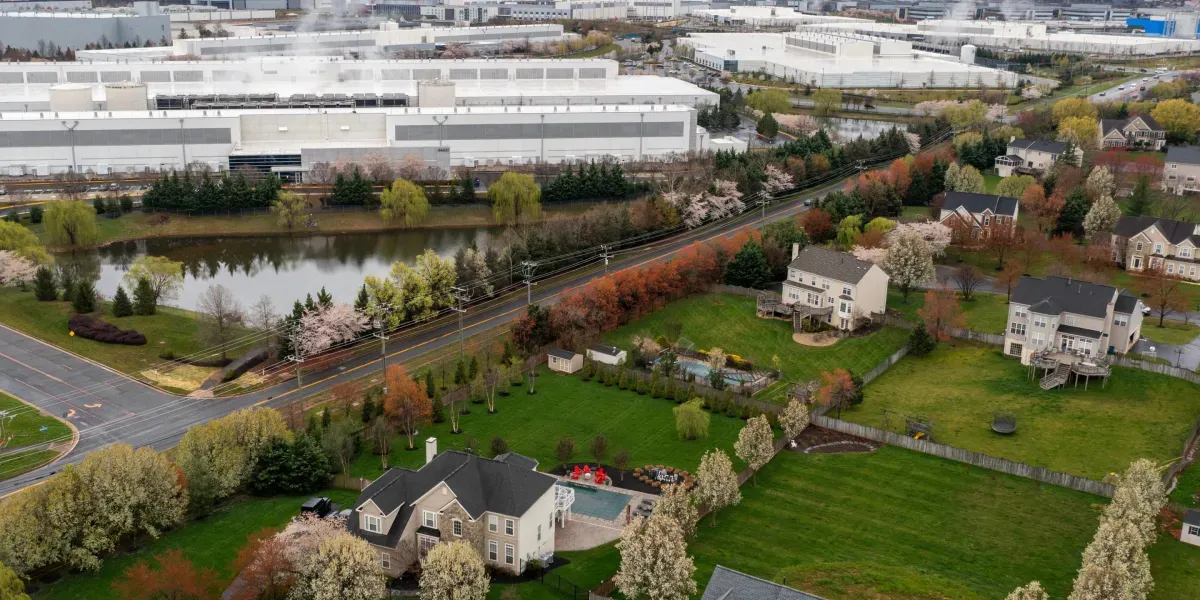
The third town hall, held virtually, was the only one Premier Smith joined. At the first two in-person events, Glubish faced jeers, boos, and demands for safeguards from residents who said they do not trust the government to address environmental risks or water usage concerns. Smith framed the sessions as a way to find "blind spots" in existing rules and said the province is already considering how to develop guidance for companies to limit water use and specific rules for how close a data centre can be to residential areas.
A data centre project proposed in the town of Olds, north of Calgary, was rejected by a provincial regulator over proximity to homes, signaling tighter scrutiny ahead of Meta's campus. The Opposition NDP released its own policy proposals for data centre development on the same day as Smith's town hall.
Why this matters for AI builders
Regulatory uncertainty around water use and siting can delay permitting and increase costs for large AI data centres. The Olds rejection demonstrates that even projects in a business-friendly province face hard location constraints. Developers and operators planning Alberta data centres should watch for updated guidance on water-use technology and setback distances from homes. Future rules may push facilities toward more efficient cooling methods or different site selections.
Practical implications for project planning
Builders should engage in the remaining town halls to understand emerging community expectations and regulatory direction. The province's push to attract $100 billion in private sector investment, as reported elsewhere, depends on maintaining public trust. Monitor provincial guidance materials as they roll out. The Globe and Mail reports that the government is specifically working on guidance for water-use technology and spatial placement rules. Site selection criteria that were acceptable six months ago may no longer pass regulatory review.
Caveats and unknowns
The available sources are political briefings and town hall reports, not final regulatory texts. No concrete water-use limits, setback distances, or permitting timelines have been published. Meta's proposed $13-billion campus remains a proposal, and its construction timetable and exact specifications are not covered in the provided evidence. The actual impact on builders will depend on the specific rules that emerge from this engagement process.
For now, the key takeaway is that Alberta's AI data centre regulation is tightening, and community pushback is shaping policy. Builders should plan for additional scrutiny on water consumption and proximity to residents.
FAQs
Sources
- Danielle Smith to take part in virtual town hall on AI data centre development in Alberta
- Alberta premier to participate in next AI town hall
- National Newswatch | Alberta minister faces more fury at second town
- Danielle Smith Is Betraying Rural Alberta To Build Gas-Powered Data...
- Alberta towns see AI data centres as ‘second coming of oil’ — but...
- Alberta's Smith to take part in virtual town hall on AI data centre development
- Alberta government to hold first AI data centre town hall in central town of Lacombe
- Alberta government kicks off town hall tour on data centre development
- Alberta minister faces more fury at second town hall on AI data centres
- Smith to take part in virtual town hall on AI data centre ...
- Alberta’s Smith to take part in virtual town hall on AI data ...
- Danielle Smith to take part in virtual town hall on AI data ...
- Albertans raise concerns, demand specifics on safeguards at ...
- Alberta's Smith to take part in virtual town hall on AI data centre development
- Alberta government kicks off town hall tour on data centre...